Can Staple Gun Go Into Concrete? Here’s What You Need To Know
Picture this: You’re putting up a new fence, ready to hang those beautiful decorative panels. You reach for your staple gun, expecting a quick job, but the concrete posts stare back, unyielding. Will your trusty tool even make a dent? The question of whether a staple gun can go into concrete, and what’s involved, pops into your mind. This post answers that question, while also going into detail about the right tools, and best practices. You’ll gain a solid grasp of what works, what doesn’t, and how to avoid costly mistakes. This helps you get the job done right the first time and saves you from potential headaches.
Key Takeaways
- Staple guns are not designed for direct use on concrete.
- Specialized tools like concrete nailers or anchors are required.
- Understand the differences between concrete and masonry.
- Safety precautions are vital when working with concrete.
- Learn alternative attachment methods for securing materials to concrete.
- Discover the best tools and techniques for attaching materials.
The Concrete Conundrum: Can a Staple Gun Succeed?
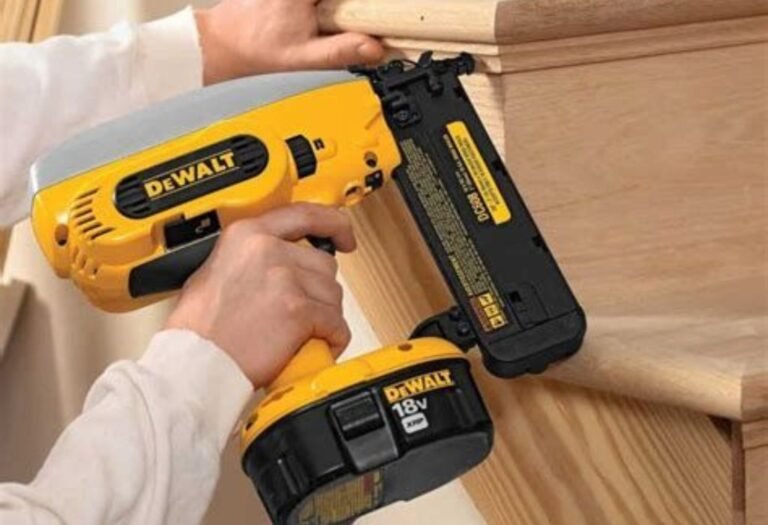
The short answer is no; a standard staple gun cannot effectively penetrate or secure staples into concrete. Concrete is an incredibly hard and dense material, far exceeding the design capabilities of a staple gun. These tools are made to work with softer materials, such as wood, drywall, or fabric. Trying to force a staple gun to work on concrete can damage the tool, the concrete itself, and potentially cause injury. The force required to drive a staple into such a hard surface is simply beyond the instrument’s design.
The composition of concrete makes it a challenging material. The aggregate, often made up of gravel or crushed stone, coupled with the cement binder, creates a formidable barrier. The internal structure’s density and hardness are not comparable with the intended application of a staple gun. The force that the staple gun can produce will simply not be enough. The staple might bend, break, or merely bounce off the surface. Attempting to force staples into concrete can also lead to the staple gun jamming or malfunctioning.
Why Staple Guns Fail on Concrete
The main reason staple guns are unsuccessful on concrete boils down to the mechanics of how they work, and the properties of the material itself. Staple guns utilize a spring-loaded or pneumatic mechanism to drive staples into softer materials. The force generated is usually sufficient for wood or similar materials, but not for the hardness of concrete. Attempting to force staples into the concrete can also lead to the staple gun jamming or malfunctioning.
- Insufficient Force: Staple guns are not designed to generate the necessary power to penetrate concrete. The impact force is simply too weak.Staple guns function by delivering a concentrated burst of energy to drive staples. The maximum energy provided is inadequate to overcome the concrete’s resistance. The aggregate, cement, and overall density of the concrete will absorb or deflect the staple’s impact.
- Staple Design: Standard staples lack the necessary strength and shape for concrete.Staples are made of thinner gauge metal and are not designed to withstand the stress of impacting concrete. The design of the staples themselves is optimized for holding materials like wood and fabric. The ends of staples are typically beveled. This is not suitable for penetrating concrete. The staples might bend, break, or even simply bounce off the surface.
- Risk of Damage: Using a staple gun on concrete can damage the tool.Forcing the tool can lead to internal damage. The repeated stress can cause components to malfunction or break. The likelihood of jamming increases significantly. Trying to force a staple gun to work on concrete can damage the tool, the concrete itself, and potentially cause injury. The force required to drive a staple into such a hard surface is simply beyond the instrument’s design.
- Safety Hazards: Attempting the impossible is a danger.Using a staple gun in an unintended way can lead to injury. This may include flying debris or ricocheting staples. Personal protective equipment is essential, but it cannot completely offset the risks associated with the tool’s misuse. The resulting force could also cause the staple gun to kick back unexpectedly.
There are alternative methods and tools specifically designed for working with concrete that are more suitable for tasks requiring attachment to this material. These include concrete nailers, anchor bolts, and adhesives.
Concrete vs. Masonry: Understanding the Differences

While often used interchangeably, the terms “concrete” and “masonry” refer to different things. Concrete is a specific construction material, whereas masonry is a broader term encompassing various building materials, including brick, stone, and concrete. Knowing the difference is important when choosing the right attachment method.
Masonry, as a whole, can vary significantly in density and hardness depending on the specific materials used. Concrete’s uniform composition and high density necessitate the use of specialized fastening techniques. The different methods involve different tools and techniques, so understanding these distinctions can prevent frustration and wasted time.
Key Differences Between Concrete and Masonry
- Composition: Concrete is made from cement, aggregate (sand, gravel, etc.), and water. Masonry includes brick, stone, and other materials.Concrete is a mixture created by combining cement, aggregates like sand and gravel, and water. This combination hardens into a dense, solid material. Masonry is a broader term referring to building materials that are assembled and held together with mortar. This includes stone, brick, concrete blocks, and tile. Each material varies in density and composition, so different fastening methods are needed.
- Hardness and Density: Concrete tends to be much denser and harder than many masonry materials.The hardness and density vary across masonry materials. Concrete tends to be significantly denser than many masonry materials. The density affects how easily it can be penetrated. This will influence the types of fasteners that can be used. Brick is not as hard as concrete, and stone varies greatly depending on the specific type.
- Fastening Methods: Concrete requires specialized fasteners. Masonry can use a range of options depending on the material.Due to its hardness, concrete calls for specialized fasteners. These include concrete screws, expansion bolts, or chemical anchors. Softer masonry materials may allow for methods like masonry nails or screws designed for use in these materials. In concrete, the methods must be strong enough to withstand the forces involved. Fastening methods for masonry are usually less demanding, but they still have to be appropriate for the specific material.
- Applications: Concrete is commonly used in foundations, walls, and slabs. Masonry is used in walls, paving, and decorative elements.Concrete is used in construction, and has many uses because of its strength and durability. It provides the base for numerous structures, including foundations, walls, and slabs. Masonry materials, such as bricks, are used in building walls, and paving. Masonry is also used in decorative elements. The choice of concrete or masonry depends on the project needs.
The distinction between the two is crucial when considering how to attach materials. Failure to understand these differences can lead to an ineffective and potentially unsafe approach.
Best Practices: Attaching Materials to Concrete
Since staple guns cannot be used, there are methods for attaching materials to concrete. These methods provide secure and long-lasting results. Choosing the right method depends on the material you’re attaching, the load it needs to bear, and the environment. Consider the specific demands of your project.
Before you begin, be sure to wear safety glasses to protect against flying debris, and gloves to protect your hands. Depending on the method, you might also need hearing protection. Always follow the manufacturer’s instructions for the tools and fasteners you use. Working safely will protect you and improve the quality of your work.
Alternative Attachment Methods
- Concrete Screws: These screws have threads designed to cut into the concrete.Concrete screws are a reliable choice for attaching materials to concrete. They have specialized threads that cut into the concrete as you drive them in. They create a strong mechanical bond. Use a drill with a concrete bit to create a pilot hole first, then are different types of concrete screws, including self-tapping screws and screws that require a pre-drilled hole, so use the best ones for your project.
- Expansion Anchors: These anchors expand inside the concrete to create a secure hold.Expansion anchors, also known as wedge anchors or sleeve anchors, provide a strong hold by expanding within the pre-drilled hole. The installation process typically involves drilling a hole, inserting the anchor, and tightening it. As the bolt is tightened, the expansion sleeve presses against the concrete, locking it in place. The holding power of expansion anchors makes them useful for projects that bear a lot of weight or experience vibration. Make sure the anchors are the right size for the load and the thickness of the concrete.
- Adhesive Anchors: Use chemical compounds to bond materials to concrete.Adhesive anchors, also called chemical anchors, use a resin-based adhesive to bond materials to concrete. They are often used when a flush or invisible fastening is desired. The process involves cleaning the hole, injecting the adhesive, and the concrete surface cannot be damaged or the load is high. Chemical anchors can be very strong. The adhesive must be allowed to fully cure before any load is applied.
- Concrete Nails: Special nails designed to be hammered into concrete.These nails are made from hardened steel and are designed for use in concrete. They are driven into the concrete using a hammer. They are best for applications where the load is not heavy. They are a good option for fastening wooden furring strips. This is done to create a framework for installing drywall. Concrete nails are best for lighter-duty applications, where you may not need the full strength of screws or expansion anchors.
These are examples of alternative methods for fastening to concrete. Consider all the variables for your job to select the best one.
Tools and Techniques for Concrete Attachment
The right tools and techniques are essential for successfully attaching materials to concrete. The choice of tools depends on the attachment method you choose. Proper technique will guarantee that the attachment is safe and secure. It will also reduce the risk of damage to the concrete or the material you are attaching.
Always start by carefully measuring and marking the locations where you will be attaching the material. This will help you to maintain accuracy. The tools you use will depend on the fastening method you choose, as different methods call for different equipment. Safety equipment is crucial. Wear safety glasses, gloves, and ear protection when working with concrete.
Essential Tools
- Rotary Hammer Drill: This drill provides the power and impact action needed for drilling into concrete.A rotary hammer drill is specifically designed for drilling into concrete and other masonry materials. It delivers both rotational force and a hammering action, enabling it to break up the concrete. The hammering action comes from the internal mechanism, which causes the drill bit to rapidly strike the material. Choose a drill bit that is made for concrete and is the correct size for the fasteners you will use. A rotary hammer drill is a must-have for jobs that involve expansion bolts or concrete screws.
- Hammer Drill: This tool provides the impact needed for drilling.Hammer drills are used for jobs in concrete and masonry. They combine the rotary action of a regular drill with a hammering mechanism, allowing them to penetrate these materials more efficiently than a standard drill. The hammering action helps to break up the concrete. This helps the drill bit advance through the material. Hammer drills are useful for projects that do not need as much power as a rotary hammer. They are a valuable tool for home improvement projects involving concrete.
- Concrete Drill Bits: These are specially designed bits that have carbide tips.Concrete drill bits are made from durable materials like tungsten carbide, with a tip designed to withstand the abrasive nature of concrete. They are designed to drill through concrete and masonry. Use the right drill bit for the concrete screws or other fasteners you are using. Make sure that the bit is the correct diameter and the length for the fastener. Always use the proper speed and technique for the bit to get the best results. These drill bits are essential for drilling holes for concrete screws and anchor bolts.
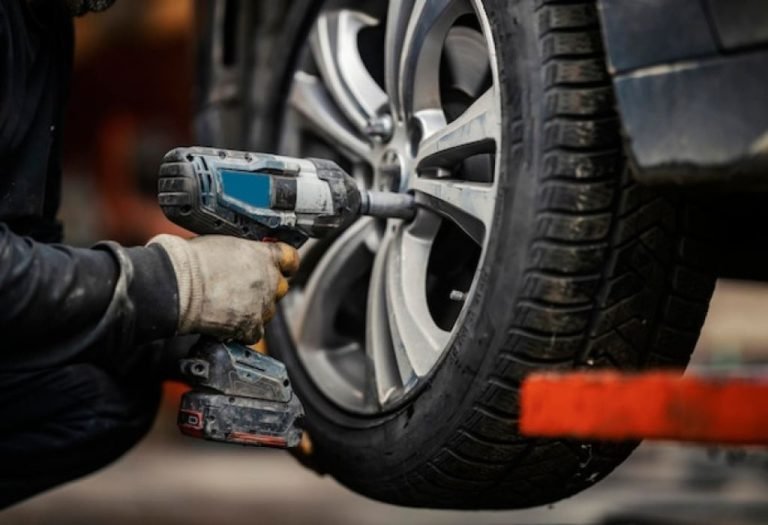
- Impact Driver: This driver delivers high torque and impact force, useful for driving concrete screws.Impact drivers are designed to drive fasteners like screws with greater efficiency and force. They provide a rotational force combined with an impact action, making it easier to drive screws into hard materials like concrete. An impact driver reduces the risk of stripping the screw heads or over-tightening the screws. Impact drivers are particularly effective when installing concrete screws. The design minimizes user fatigue by absorbing some of the strain during fastening, making it faster and easier to complete projects.
Make sure you have all the necessary tools before you start. This ensures you can carry out the job efficiently and safely. Having the proper equipment can make the work easier and will help guarantee the desired outcome.
Real-Life Examples and Case Studies
Seeing real-life examples can illustrate how different attachment methods have been used. These examples show how the right methods can lead to successful results. They also show how not using the right approach can lead to problems.
When selecting the best method for attaching materials to concrete, it’s essential to consider the specific requirements. Think about the load, environment, and aesthetic needs. Studying case studies gives you valuable insight into the applications, advantages, and drawbacks of each approach.
- Case Study: Deck Ledger Board InstallationA homeowner was building a new deck and needed to attach the ledger board to the concrete foundation of their house. Using concrete screws, they drilled pilot holes into the concrete and securely fastened the ledger board, creating a strong and lasting connection. This method provided a secure means of attaching the ledger board, critical for supporting the deck’s structure and ensuring its stability.
- Case Study: Installing a Fence to Concrete PostsA property owner was installing a new fence. They decided to attach the fence posts to the concrete footing. They chose expansion anchors. They drilled holes into the concrete, inserted the anchors, and tightened them. This created a strong connection that would withstand wind and weather, keeping the fence in place.
These examples illustrate the usefulness of different fastening techniques, and provide examples of why concrete attachment methods are so critical.
Sample Scenarios
Consider these scenarios to help with choosing the right approach for your project. This will help you select the most effective and appropriate methods for attaching materials.
- Scenario 1: Hanging a Heavy Gate on a Concrete WallFor hanging a heavy gate on a concrete wall, use expansion anchors. They provide a strong and secure hold to bear the weight. This is important to ensure the gate’s longevity and stability. Choose anchors that are suitable for the gate’s weight and the concrete’s thickness.
- Scenario 2: Mounting a Mailbox to a Concrete CurbMounting a mailbox to a concrete curb is best done with concrete screws. They’re a practical option for this type of task. The screw provides a secure and reliable hold. Pre-drill the holes and use the correct screws to ensure that the mailbox is firmly attached, without damaging the curb.
These scenarios highlight the importance of choosing the right approach for specific tasks.
Frequently Asked Questions
Question: Can I use a staple gun to attach wood to concrete?
Answer: No, a staple gun cannot effectively attach wood directly to concrete. You must use concrete screws, expansion bolts, or chemical adhesives.
Question: What’s the best tool for drilling into concrete?
Answer: A rotary hammer drill or a hammer drill is best for drilling into concrete. These tools provide the necessary impact force.
Question: Do I need to pre-drill holes for concrete screws?
Answer: Yes, you usually need to pre-drill pilot holes for concrete screws. The drill bit should be the same size as the screw’s core diameter.
Question: Are expansion anchors reusable?
Answer: No, expansion anchors are not designed to be reused. Once they’ve been expanded, they may not provide a secure hold if removed and re-inserted.
Question: What safety gear is needed when working with concrete?
Answer: You should always wear safety glasses to protect your eyes, gloves to protect your hands, and ear protection if the work is loud.
Final Thoughts
When it comes to attaching things to concrete, remember that a staple gun simply isn’t up to the task. Its design is for softer materials. To achieve a strong and reliable bond, you must choose from specialized methods like concrete screws, expansion anchors, or adhesive anchors. Understanding the differences between concrete and masonry, as well as the unique requirements of your project, is key. Think about the load-bearing requirements, the environment, and aesthetics. Choosing the right tool and technique will ensure a successful project. With the proper approach and equipment, you can securely attach anything to concrete.

I’m Michael R. Turner, the founder, lead writer, and passionate DIY enthusiast behind 101diytools.com. With years of hands-on experience in home improvement and power tools, I built this platform to share practical tips, in-depth guides, and honest reviews to help DIYers of all skill levels tackle projects with confidence and the right tools.