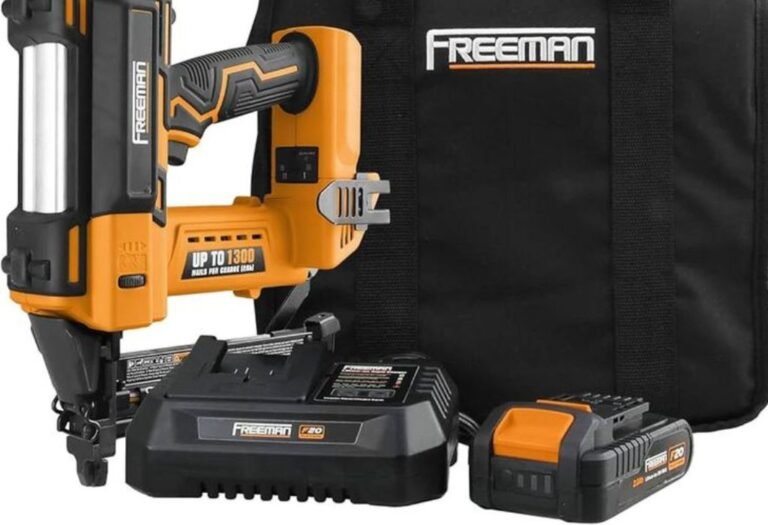
Can Staple Gun Cause Injury? Safety, Risks, and Prevention.
Picture this: you’re excitedly tackling a home improvement project, eager to finally install that new trim. You grab your trusty staple gun, ready to get to work. But have you ever stopped to think about the potential dangers lurking behind that seemingly simple tool? This post will explore the hazards associated with staple guns, helping you assess risks. You’ll gain a thorough grasp of the safety measures required to prevent accidents and learn what to do if an injury occurs. This knowledge is important, whether you are a seasoned DIY enthusiast or a weekend warrior. This blog post aims to provide practical advice, improving your knowledge and ensuring you can use staple guns safely.
Key Takeaways
- Staple guns can cause various injuries, from minor cuts to serious wounds.
- Incorrect usage, like aiming at yourself or others, is a significant risk factor.
- Safety features and proper personal protection can reduce injury probabilities.
- Selecting the right staple gun and staples for a task reduces the chance of injuries.
- Following first aid and seeking medical help are important in case of injury.
- Regular maintenance and inspection of the tool are important for safe operation.
The Potential Risks: How Can a Staple Gun Cause Injury?
Staple guns are powerful tools, and their ability to quickly drive staples into materials makes them invaluable for various tasks. However, this very power presents risks. The force required to drive a staple, combined with the potential for accidental discharge, can lead to injuries. These range from minor cuts and bruises to more severe wounds. The type and severity of an injury depend on many factors, including the type of staple gun, the material being stapled, and the user’s technique. One of the most common ways a staple gun can cause injury is through accidental firing, especially when the gun is not properly handled or when safety features are bypassed.
Types of Injuries and Their Causes
Understanding the kinds of injuries that can occur when using a staple gun is the first step toward preventing them. Injuries are rarely fatal, but they can be painful, debilitating, and leave lasting effects. These injuries often occur due to misuse, lack of appropriate safety precautions, or equipment malfunction. The potential for injury increases with the force of the staple gun, the size and type of the staples, and the material being fastened. It’s also important to remember that the environment and your posture influence your safety and chances of injury. Accidents often happen when you are tired or distracted.
- Lacerations and Punctures: These are among the most common injuries. They occur when a staple misfires or ricochets and strikes a body part. Deep punctures can cause significant pain and may require medical attention. This is especially true if the staple hits a blood vessel or vital organ.Lacerations and punctures often result from a lack of attention to the work piece or when trying to staple in awkward positions. Using the wrong staple size for the material or using a staple gun that is not suited for the job also contributes. The use of staples that are too long can result in a staple exiting the other side of the material and potentially striking the user or someone else.
- Eye Injuries: Staples can become projectiles if they misfire or if the material being stapled splits or shatters. This poses a serious risk to the eyes, potentially leading to corneal abrasions or even permanent vision damage. Wearing safety glasses is essential to prevent eye injuries.Eye injuries happen when working with materials that can fragment easily, such as certain types of wood or plastics. A staple might ricochet and hit the eye. Even a small piece of debris from the stapling process can cause injury. Using too much force or the wrong type of staples increases this risk. Safety glasses provide an effective barrier, but they must be properly fitted and meet safety standards.
- Soft Tissue Injuries: These include bruises, contusions, and sprains. They happen when the user bumps against the staple gun or the work piece. They can also occur if the gun recoils unexpectedly. The force of the staple gun can cause trauma to the skin, muscles, and tendons.Soft tissue injuries are more likely when working in confined spaces or when the user is not in a stable position. Using a staple gun for prolonged periods can lead to fatigue, increasing the risk of accidents. Proper posture and taking breaks are essential to mitigate these risks. Knowing how to use the tool reduces these risks too.
- Nerve Damage: In rare cases, staples can penetrate deep enough to cause nerve damage, especially in the hands or fingers. This can lead to pain, numbness, or loss of function.Nerve damage is a serious injury that requires immediate medical attention. It’s more likely when using powerful staple guns or when staples are driven into areas with a high concentration of nerves. Always be aware of the location of your hands in relation to the work piece. If you feel any unusual pain or sensation, stop working and assess the situation immediately. If you have any doubt, seek medical attention.
Factors Influencing Injury Severity
Several factors determine how serious a staple gun injury might be. These include the type of staple gun being used, the size and type of the staples, the material being stapled, and the location of the injury. The depth of penetration, the presence of any underlying health conditions, and how quickly medical attention is sought also influence the severity of the outcome. A basic understanding of these elements can help reduce risks. It is important to remember that any injury, no matter how small, should be treated with care.
- Staple Gun Type: Different staple guns are designed for different tasks and have varying power levels. Manual staple guns require user effort, while electric and pneumatic models have greater power. The higher the power, the greater the potential for injury.Manual staple guns, while generally safer due to their lower power, still pose risks. Electric and pneumatic guns require extra safety precautions. These precautions include making sure the work area is free of clutter, and the user understands how the tool functions. Always select a staple gun appropriate for the job, and only use it for its intended purpose. The correct tool makes the job easier and prevents accidents.
- Staple Size and Type: The size and type of staples used influence the risk of injury. Longer staples can penetrate deeper, causing more severe injuries, while wider staples may cause more significant damage upon impact.Using the correct staple size is essential to avoid injuries. Staples that are too long can go through materials and possibly hit the user or a coworker. Using incorrect staples can also jam the gun and cause it to malfunction, leading to accidents. Always check the manufacturer’s recommendations for the specific staple gun and the materials you are working with. Selecting the right staples significantly lowers the risk of injury.
- Material Being Stapled: The material being stapled plays a role in injury risk. Soft materials may offer less resistance, potentially allowing for deeper staple penetration. Harder materials may cause staples to deflect or ricochet, increasing the chance of injury to the user or bystanders.When working with hard materials, always wear appropriate safety gear, including eye protection. Ensure the staple gun is designed for the material. When stapling near edges or corners, be extra careful as the material may split or the staple may not be able to be driven correctly. Always use the right staples for the job, as the wrong type can damage the work piece or the staple gun.
- User Technique and Experience: How a user handles the tool affects safety. Inexperience, poor technique, and taking shortcuts increase injury risk.Proper training and practice reduce the likelihood of accidents. Always read the manufacturer’s instructions and familiarize yourself with the staple gun’s features and safety mechanisms. Experienced users know how to handle the tool, reducing injuries. Taking your time, working carefully, and staying focused are key to preventing injuries. When you are uncertain about something, seek help from someone who is more experienced.
Safety Guidelines: Preventing Staple Gun Injuries
Preventing staple gun injuries requires a combination of safe work practices, proper equipment maintenance, and the use of personal protective equipment (PPE). These guidelines apply to all users, from occasional DIYers to seasoned professionals. By following these steps, you can significantly reduce the risk of accidents and ensure a safer working environment. Ignoring these tips can have severe consequences, including significant health complications and even legal responsibilities.
Essential Safety Precautions
Implementing these precautions can dramatically lower the likelihood of sustaining an injury. Safety involves careful planning, constant vigilance, and the habit of doing things correctly. These precautions, combined with proper training, form a solid foundation for safe operation. Remember that a safe working environment is everyone’s responsibility.
- Always Wear Eye Protection: Safety glasses or goggles are essential to protect your eyes from staples, splinters, and other debris. Choose impact-resistant eyewear that meets safety standards.Eye protection is a must-have when using a staple gun. Accidents can happen quickly. A staple ricocheting or material splintering is a common occurrence. Always inspect your eyewear for any damage before use. If you are working with others, make sure they are wearing proper eye protection too.
- Use the Right Staple Gun for the Job: Select a staple gun appropriate for the task and the materials. Using the wrong tool increases the chance of accidents.Not all staple guns are the same. Some are designed for light-duty tasks, while others are for heavier applications. Using the wrong tool can lead to frustration and dangerous situations. Carefully consider the material you’re working with, the thickness of the material, and the type of fastening required. The right tool makes the job easier and safer.
- Disconnect Power Before Maintenance: Before performing any maintenance or clearing jams, disconnect the power source (electric or pneumatic). This prevents accidental firing.Safety should be your first priority when working with any power tool. Removing the power source removes the chance of an accidental discharge. Wait until the tool has cooled off before attempting any maintenance. Keep the tool clean and inspect it regularly.
- Never Point the Gun at Yourself or Others: Treat the staple gun as if it were a loaded weapon. Never point it in a direction where an accidental discharge could cause injury.This is a fundamental safety rule. It is a sign of respect for the power of the tool and the potential harm it can cause. Always keep the tool under control, even when not in use. Be aware of your surroundings and make sure there is no one in the path of the staples. If someone is nearby, stop immediately and make sure the area is safe before you continue your work.
- Use the Safety Features: Most staple guns come equipped with safety features, such as a contact trip or a nose safety. Always ensure these features are in working order. Do not bypass or disable them.Safety features are there to protect you. Familiarize yourself with how they work. Always ensure they are functioning correctly before each use. If a safety feature malfunctions, have it repaired or replaced before continuing work. If in doubt, consult the manufacturer’s instructions for advice or seek the help of a tool specialist.
Personal Protective Equipment (PPE)
Using proper PPE reduces the chance of injuries. These items offer protection against hazards. While PPE doesn’t replace safe work practices, it serves as a crucial line of defense. Selecting the proper PPE depends on the task at hand and the potential hazards involved. Always inspect your PPE before use. If it’s damaged or worn, replace it.
- Eye Protection: As mentioned earlier, safety glasses or goggles are a must. They protect your eyes from staples and flying debris.Choose eyewear that meets safety standards, such as ANSI Z87.1. Make sure your eyewear fits properly and is comfortable. It should provide adequate coverage and not obstruct your vision.
- Gloves: Gloves can protect your hands from scrapes, cuts, and punctures.Choose gloves that fit well and allow for dexterity. Consider the material of the gloves. Leather gloves are good for durability, while other materials may offer better grip. Remember that gloves should not obstruct your ability to safely handle the tool.
- Hearing Protection: If you’re working with a pneumatic staple gun, you may want to wear hearing protection.Loud noises from pneumatic tools can cause hearing damage. Choose earplugs or earmuffs. Make sure the hearing protection is appropriate for the noise level and is comfortable to wear.
- Footwear: Wearing closed-toe shoes can protect your feet from dropped tools or materials.Ensure your footwear is appropriate for the work environment. Steel-toed boots offer additional protection if there is a risk of heavy objects falling. Select footwear that is comfortable and allows for good grip.
Safe Operation Practices
Implementing safe operation practices involves careful attention to technique and constant awareness of your environment. Following these guidelines ensures that you are reducing risks and working safely. Combining these practices with good tool maintenance and proper PPE will help you remain safe. Safety is a habit that must be practiced with every project.
- Maintain a Stable Stance: Always work from a stable position. A secure stance prevents slips, falls, and loss of control of the tool.Poor posture increases the risk of accidents. Position yourself so that you can apply even pressure when stapling. Avoid working in awkward or unstable positions. Taking your time and working methodically will improve the quality of your work and your safety.
- Keep Hands Away from the Stapling Area: Ensure your hands are clear of the path of the staples. The work piece should be stable, and you should not be in the direct path of the staple.Never place your hand in the area where the staples will be driven. If you need to hold the material, use clamps or other methods. This precaution is essential to prevent accidental firing from causing an injury.
- Inspect the Workpiece: Before stapling, check the material for knots, voids, or other imperfections that could cause a staple to deflect or misfire.These imperfections increase the risk of accidents. Identifying and addressing these issues will reduce the chance of injury. If you find a potential problem, take the time to fix it before you begin stapling. Carefully examine the work piece.
- Never Overreach: Avoid stretching or reaching. This can lead to loss of balance and control of the tool.Overreaching increases the risk of accidents. Reposition yourself or move the material closer. If you have to overreach, be extra cautious and take frequent breaks. If you find you are overreaching a lot, consider setting up the work area for better ergonomics.
- Take Breaks: Working for long periods can lead to fatigue, reducing your alertness. Take regular breaks to rest and refocus.Fatigue is a major cause of accidents. During breaks, stretch, and give your eyes a rest. Taking a break will improve your focus and concentration.
Addressing Injuries: First Aid and Medical Care
Despite taking precautions, accidents can happen. It is important to know what to do in case of a staple gun injury. Quick, appropriate responses can minimize harm and help speed up recovery. Understanding proper first aid and knowing when to seek medical care are essential skills. Having a first-aid kit nearby can make a big difference.
Immediate First Aid Steps
Acting fast can reduce the seriousness of a staple gun injury. These steps are crucial to the immediate care and can influence how quickly someone recovers. The goal is to control bleeding, prevent infection, and stabilize the injured person until medical assistance is available. Do not hesitate to seek help.
- Stop the Bleeding: Apply direct pressure to the wound using a clean cloth or bandage. If the bleeding is severe, elevate the injured limb above the heart.Stopping bleeding quickly is the priority. Use firm, consistent pressure. If the cloth becomes saturated with blood, add more on top instead of removing the first one. Seek medical care immediately if the bleeding doesn’t stop.
- Remove the Staple (if safe): If the staple is easily accessible and not deeply embedded, you may attempt to remove it with tweezers. If you are unsure, do not attempt to remove the staple.Carefully assess the situation before removing a staple. If the staple is deep or in a sensitive area, do not try to remove it yourself. Removing the staple can cause further damage or increase the risk of infection. If you can’t see the staple, do not attempt to dig for it.
- Clean the Wound: Gently wash the wound with mild soap and water. Remove any debris.Cleaning the wound will reduce the risk of infection. Avoid using harsh chemicals. If the wound is deep or if you cannot remove all the debris, seek medical attention.
- Apply a Dressing: Cover the wound with a clean bandage or dressing. Change the dressing regularly and watch for signs of infection.Keep the wound clean and dry to prevent infection. Change the dressing as needed. Watch for any signs of infection, such as increased redness, swelling, pus, or fever.
- Seek Medical Attention: For any deep puncture wounds, injuries to the eye, or any signs of infection, seek medical help immediately.A healthcare professional can assess the injury and provide the appropriate care. Do not hesitate to seek medical attention, even if the injury appears minor. It’s better to be safe than sorry.
When to Seek Medical Attention
Knowing when to seek medical help is vital. Some injuries need professional attention to ensure proper treatment and prevent complications. If in doubt, seek medical care. Remember, you are not a medical expert, and it is better to seek the advice of someone who has the experience and training.
- Deep Puncture Wounds: Any wound that penetrates deeply. This includes wounds where the staple has gone in far beneath the surface, or has possibly affected tendons or nerves.Deep puncture wounds can damage underlying tissues and increase the risk of infection. A medical professional can assess the extent of the damage and provide the right care. Early treatment is important for proper healing.
- Eye Injuries: Any injury to the eye, no matter how small. Staples can do severe damage to the eye.Eye injuries can cause vision loss. Do not attempt to treat the injury yourself. Medical professionals have specialized tools and techniques for treating eye injuries. Getting to an eye specialist immediately is important.
- Signs of Infection: Any signs of infection, such as increased redness, swelling, pus, or fever.Infections can cause serious complications and require antibiotic treatment. Early detection is key. Always monitor a wound carefully for signs of infection. If you have any concerns, consult with a doctor.
- Uncontrolled Bleeding: Any bleeding that does not stop after applying direct pressure.Uncontrolled bleeding can be life-threatening. Seek immediate medical attention. It is a sign of a serious injury. A medical professional can take steps to stop the bleeding and provide appropriate care.
- Nerve Damage: If there is numbness, tingling, or loss of function in the affected area.Nerve damage can cause pain and permanent disability. Medical care is essential. It can prevent further damage and help with recovery. If you experience these symptoms, seek immediate help.
Tool Care: Maintenance and Inspections
Regular maintenance and inspections are important parts of safe operation. This will not only make your tool last longer, but will also help reduce the chance of accidents. A well-maintained staple gun is less likely to malfunction. This section covers steps to maintain your staple gun, making sure it works efficiently and safely. A little bit of effort will make a big difference.
Regular Maintenance Tasks
Implementing regular maintenance tasks keeps your staple gun in good working order. These steps will reduce the chance of accidents and help the tool perform at its best. Taking care of your equipment is an investment in its lifespan and your safety. Follow manufacturer instructions.
- Cleaning: Regularly clean your staple gun to remove dust, debris, and any build-up that may interfere with its operation.A clean tool is a safe tool. Use compressed air or a soft brush to remove dust and debris. Do not use excessive force and use the right tools. A dirty tool can jam and malfunction, causing accidents.
- Lubrication: Lubricate the moving parts of the staple gun as recommended by the manufacturer. This keeps the tool working smoothly and prevents excessive wear.Lubrication reduces friction, prevents wear and tear, and keeps the tool operating smoothly. Use the correct type of lubricant as specified by the manufacturer. Apply lubricant to moving parts as recommended.
- Checking for Damage: Inspect the staple gun regularly for any signs of damage, such as cracks, loose parts, or worn components.Damaged parts can lead to accidents. Examine the gun, looking for any signs of damage. Replace any damaged or worn parts immediately, following the manufacturer’s instructions. Do not use a tool if any part is damaged.
- Storage: Store your staple gun in a safe, dry place when not in use. Protect it from extreme temperatures and moisture.Proper storage extends the tool’s lifespan and keeps it ready for use. Keeping the tool dry prevents rusting. Store it away from children and other potential hazards.
Inspection Checklist
Here is a basic checklist to go through to make sure your tool is in good condition. The goal is to make sure your tool is safe to use. You must make sure that all of the parts are working, and nothing is damaged. Regularly going through this checklist can help to prevent any injuries.
- Check the Safety Features: Make sure the contact trip or nose safety is functioning correctly. These features are designed to prevent accidental firing.Safety features are there for a reason, and you must make sure that they are working correctly. Test the safety features before each use. If there are any problems with the safety features, have the tool serviced by a professional.
- Examine the Fastening Mechanism: Make sure the staple gun drives staples straight and consistently.Problems with the fastening mechanism can cause misfires or incomplete fastening. Test the gun with scrap material. If the gun is not performing correctly, have it serviced by a professional. If the gun isn’t working correctly, stop using it immediately.
- Look for Leaks (Pneumatic Models): Check pneumatic staple guns for any air leaks. Air leaks can reduce power and create safety hazards.Air leaks can reduce the tool’s power and performance. They can also create safety risks. If you detect a leak, stop using the tool and have it serviced immediately by a professional. Inspect the hose and fittings.
- Inspect the Power Cord (Electric Models): For electric staple guns, check the power cord for any damage.A damaged power cord can pose an electrical hazard. Check the cord for cuts, cracks, or frayed wires. If you notice any damage, do not use the tool. Replace the cord or have the tool serviced by a professional.
Frequently Asked Questions
Question: Can I use a staple gun to staple through metal?
Answer: No, staple guns are generally not designed for use on metal. Attempting to staple through metal can damage the staple gun and pose a safety risk.
Question: Are there different types of staple guns?
Answer: Yes, there are manual, electric, and pneumatic staple guns, each with different power levels and uses.
Question: What is a contact trip safety?
Answer: A contact trip safety requires the user to press the gun’s nose against the material before it will fire a staple, reducing the risk of accidental discharge.
Question: What do I do if my staple gun jams?
Answer: First, disconnect the power source. Then, carefully follow the manufacturer’s instructions for removing the jammed staples. Do not try to force staples out.
Question: Is it necessary to wear gloves when using a staple gun?
Answer: Yes, gloves can protect your hands from scrapes, cuts, and potential punctures, reducing the risk of injury.
Final Thoughts
So, can a staple gun cause injury? The answer is a clear yes, but by following a series of safety precautions and developing smart work habits, you can dramatically reduce the chances of getting hurt. Always remember that knowledge is the best defense. Be informed about the risks associated with staple guns. Take the time to understand the safety guidelines and use them. Prioritize your safety and follow established practices. This information will help you to tackle projects with confidence, and make sure that you do so safely.

I’m Michael R. Turner, the founder, lead writer, and passionate DIY enthusiast behind 101diytools.com. With years of hands-on experience in home improvement and power tools, I built this platform to share practical tips, in-depth guides, and honest reviews to help DIYers of all skill levels tackle projects with confidence and the right tools.