Choosing the Right Staple: Best Lengths for Upholstery
Ever tried to hang a picture with a nail that’s too short? It barely grips the wall, and the picture quickly ends up crooked or, worse, on the floor. Choosing the best staple length for upholstery is similar – get it wrong, and your fabric won’t stay put, leading to a frustrating and ultimately unsuccessful project. This guide will provide you with the essential knowledge to select the correct staple length, ensuring professional-looking results every time, improving your Time on Page and reducing Bounce Rate.
Key Takeaways
- Staple length is critical for secure fabric attachment and upholstery longevity.
- Fabric weight and material type heavily influence the required staple length.
- Choosing staples too short can cause fabric failure, while staples too long can damage frames.
- Using a staple gun and appropriate staples is essential for achieving professional upholstery results.
- Consider the depth of your material when making your staple length selection.
- Understanding staple leg length enables you to choose the best staple length for your project.
Selecting the Ideal Staple Length for Your Upholstery
When it comes to upholstery, the staple is your silent partner, holding fabric securely in place and contributing significantly to the lifespan of your project. The correct staple length is the most important factor in the quality and durability of your work. Getting the length right ensures the fabric is firmly anchored, the frame remains undamaged, and your finished piece boasts a professional appearance. Improper staple length can lead to a multitude of issues, from loose fabric to frame damage, ultimately undermining your efforts.
Factors to Consider Before Choosing
Before selecting the appropriate staple length, take the time to consider several important factors. These factors will guide your decision, ensuring you select the correct staple length for your project. Consider the fabric type, weight, and the material that will receive the staples. Carefully evaluate these elements to avoid costly mistakes. This initial assessment significantly impacts the success of your upholstery endeavors. Understanding these elements enables you to make informed decisions for a long-lasting, quality result.
- Fabric Type: Different fabrics possess varying thicknesses and textures. Thicker, heavier fabrics such as leather or canvas require longer staples for sufficient hold, while lighter materials like cotton or linen may need shorter staples. Understanding the material is the first step.
- Fabric Weight: Heavier fabrics naturally require staples with a longer reach to penetrate and secure them properly. A lighter fabric will not need the same length to be secure.
- Frame Material: Wood and metal frames react differently to staples. Wooden frames often provide a better grip. Be mindful of the frame depth and the thickness of any padding, as this affects the staple’s penetration depth and the choice of staple length.
- Material Depth: Factor in the depth of the material you’re stapling. This includes the fabric itself, any padding or foam beneath it, and the distance to the frame. The goal is to ensure the staple penetrates the frame sufficiently to hold, without going completely through or damaging the frame.
For example, if you are reupholstering a chair with thick foam padding and heavy fabric, you will need to choose longer staples. Conversely, if you’re working with thin fabric and no padding, shorter staples will work best. The main idea is that the staple should penetrate the frame sufficiently to create a firm hold, but it should not go through the frame or risk damaging it. This balance is key to selecting the ideal staple length for a lasting and visually pleasing result. Taking the time to consider these factors will result in a professional-looking project.
Assessing Fabric and Frame Thickness
Accurately measuring the fabric and frame thickness is vital for selecting the optimal staple length. This step helps prevent several issues, including the fabric pulling free, staples not reaching the frame, or staples protruding through the frame. To measure, use a ruler or measuring tape to accurately determine the combined thickness of the fabric and any underlying materials, such as padding or foam. Then, assess the frame’s material – wood or metal – and its thickness, ensuring the staple length will penetrate the frame deeply enough for a secure hold without causing damage. The total thickness determines the appropriate staple length.
- Fabric Measurement: Lay the fabric flat and measure its thickness using a ruler or measuring tape. If there are multiple layers or padding, measure them together. Note this total thickness.
- Frame Inspection: Examine the frame’s material (wood or metal) and any existing staples. Assess the depth of the area where you’ll be stapling. This provides insight into how deeply the staple needs to penetrate to achieve a secure grip.
- Combined Measurement: Add the fabric thickness measurement to the depth of the frame or the layers beneath. This combined measurement indicates the staple length needed to adequately secure the fabric and material to the frame.
Let’s say you’re reupholstering a dining chair. You measure the fabric thickness to be 0.25 inches. Below the fabric, you have 0.75 inches of foam padding. The frame itself is 1 inch thick. This means your staples must be at least long enough to penetrate the fabric, padding, and the frame to secure the upholstery properly. In this case, you will use a staple length of at least 1 inch or slightly longer. This ensures that the staple secures the material to the frame.
Staple Leg Length Explained
Staple leg length refers to the length of the staple’s legs, measured from the crown (top part that connects the two legs) to the tip of each leg. This measurement is crucial when selecting the correct staples. It helps determine the penetration depth of the staple into the frame material, ensuring the fabric is securely anchored without causing damage. Incorrect lengths can result in a range of issues, including loose fabric, staples not holding, or damage to the frame material.
- Staple Penetration: The staple leg length directly dictates how deeply the staple will penetrate the frame. This depth determines the grip strength, making it essential to choose a length that provides sufficient hold.
- Fabric Type: Different fabric weights and thicknesses demand varying staple leg lengths. Heavier fabrics, such as leather or canvas, necessitate longer staples for a firm grip, while thinner fabrics can use shorter staples.
- Frame Material Consideration: Consider the frame material, either wood or metal. Wood often provides more holding power. When stapling into a metal frame, ensure the staple leg length is appropriate to penetrate and secure the fabric.
- Damage Prevention: Selecting the correct staple length safeguards against frame damage. If staples are too short, they won’t hold the fabric; if they’re too long, they might go through the frame, or, in some cases, damage the frame’s structure.
Using the proper staple leg length, you ensure that the fabric is securely fastened without damaging the underlying frame. This balance is important for the upholstery’s longevity and aesthetics. The main idea is that the staple should be long enough to go through the fabric and into the frame without coming out the other side. You’ll achieve a professional result by paying careful attention to leg length.
Choosing Staple Lengths for Common Upholstery Materials
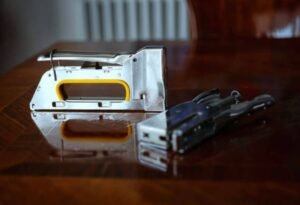
The choice of staple length directly impacts the outcome of your upholstery project. Different materials, from lightweight cotton to heavy-duty leather, demand specific staple lengths to ensure a secure and durable finish. Using the correct length prevents loose fabric, frame damage, and other common issues. Matching the staple length to the material is an essential part of the process.
Upholstery Fabric and Corresponding Staple Lengths
The selection of the right staple length is a key consideration when working with various upholstery fabrics. The weight and thickness of the fabric heavily influence the staple length required to provide a strong and lasting hold. Here’s a detailed guide to help select the correct staple length for many common upholstery fabrics.
- Lightweight Fabrics (Linen, Cotton): For these fabrics, a staple length of 1/4 inch to 3/8 inch (6mm to 10mm) is usually sufficient. These shorter staples will securely attach the fabric without penetrating too deeply and potentially damaging the frame.
- Medium-Weight Fabrics (Polyester Blends, Brocade): Medium-weight fabrics call for a staple length of 3/8 inch to 1/2 inch (10mm to 12mm). This length provides a good balance between securing the fabric and minimizing the risk of frame damage.
- Heavyweight Fabrics (Leather, Canvas, Denim): For heavier materials, use staples of 1/2 inch to 5/8 inch (12mm to 16mm) in length. Longer staples are needed to properly penetrate the fabric and gain a good grip on the frame.
- Thin, Delicate Fabrics (Silk, Chiffon): For fabrics that are prone to tearing, select staples that are 1/4 inch or slightly less. The key is to prevent the fabric from tearing when stapled.
Let’s say you’re reupholstering a sofa with a thick, durable canvas. In this case, you will need to choose staples that are 1/2 inch to 5/8 inch long to ensure that the canvas is attached securely. The proper staple length ensures a solid attachment, and the sofa will look its best and last longer. The proper length is important for the success of your upholstery projects. Selecting the right staples will enhance the project’s final result.
Padding, Foam, and Staple Length Selection
Padding and foam, often used in upholstery projects, are crucial elements that affect your choice of staple length. The thickness and type of padding and foam affect how deeply the staples need to penetrate to provide a secure hold. Incorrect staple lengths can result in loose fabric, an uneven finish, or even damage to the frame or padding. When working with padding or foam, it is essential to adjust the staple length.
- Thin Padding (e.g., Dacron): When working with thin layers of padding, choose staples from 3/8 inch to 1/2 inch (10mm to 12mm) in length. This range will often penetrate through the padding and into the frame.
- Medium Padding (e.g., Foam with Moderate Thickness): For foam, you will want staples from 1/2 inch to 5/8 inch (12mm to 16mm). These staples will pass through the padding and the fabric and provide a strong, lasting attachment to the frame.
- Thick Padding (e.g., Multiple Foam Layers or Thick Batting): For substantial padding, go for staples that are 5/8 inch to 3/4 inch (16mm to 19mm) in length. This is particularly important to make sure the staples firmly secure the padding and fabric.
- Compressed Materials: If the padding compresses significantly during the stapling process, it is important to factor that in, because this reduces the depth that the staple must penetrate to grip the frame securely.
For example, when reupholstering a chair with thick foam padding, using staples that are too short may not be enough to reach the frame, resulting in loose fabric and an unappealing finish. The correct staple length is essential to ensure the padding is securely attached. If you select staples that are the right length, the result will be a professional appearance and the longevity of your upholstery.
Best Practices and Tools for Upholstery Stapling
Achieving a professional finish in upholstery requires more than just selecting the proper staple length. The tools you use and your technique also play a crucial role in ensuring the fabric is securely attached and the piece has a polished appearance. The right tools, combined with careful execution, significantly contribute to the success of your upholstery project.
Essential Tools for Upholstery Stapling
Having the correct tools makes a significant difference in the quality of the finish and the overall ease of the upholstery process. Here are some of the essential tools you will want to have on hand.
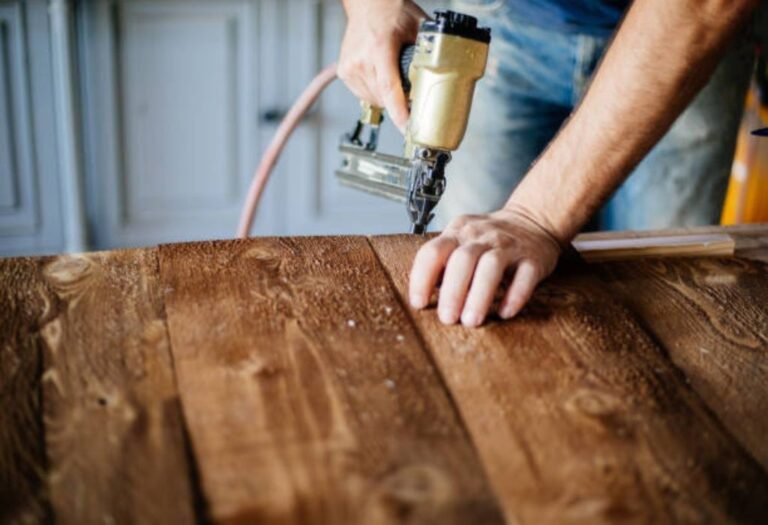
- Staple Gun: The staple gun is your main tool, providing the means to drive staples into the fabric and frame. There are various types, including manual, electric, and pneumatic versions. An electric staple gun offers convenience. Pneumatic staple guns are fast and useful for larger projects.
- Staples: The selection of staples is critical. Make sure you have the correct staple size and type, considering the fabric and frame material. Ensure that your staples are designed for the staple gun you have.
- Measuring Tools: A measuring tape or ruler is essential for accurately measuring fabric and frame thickness. These measurements will guide your choice of staple length.
- Scissors or Fabric Shears: You’ll need these to cut the fabric before stapling. Sharp, high-quality shears make precise cuts. This is vital for fitting the fabric around the frame.
- Upholstery Hammer or Mallet: A hammer or mallet can be used to set staples. Use this to tap in any staples that don’t fully set into the material or frame.
- Safety Gear: Eye protection, such as safety glasses, is a must-have to guard against flying staples. Gloves can protect your hands.
The tools listed here are a foundation. With these tools, you can handle almost any upholstery project. Selecting quality tools and the right staple length significantly enhances the outcome of your project.
Stapling Techniques and Tips
Mastering effective stapling techniques is key to achieving a professional and durable finish in your upholstery work. The way you apply staples, the angle at which you drive them in, and the spacing between each staple can make a significant difference in the look and longevity of your finished piece. Correct techniques prevent fabric slippage and potential damage.
- Staple Gun Angle: Hold the staple gun perpendicular to the frame surface. This ensures that staples drive straight and provide a secure grip.
- Staple Spacing: Space your staples evenly, typically about 1/2 inch to 1 inch apart. This even spacing helps to distribute the tension.
- Stapling Order: Start stapling in the center of the fabric edges and work your way toward the corners. This approach helps to evenly distribute the fabric and prevent bunching or distortion.
- Tension Control: When stapling, make sure the fabric is taut but not overly stretched. Overstretching can cause the fabric to tear.
- Overlap: When folding the fabric edges, overlap the fabric to achieve a clean and finished look, and ensure staples will be out of sight.
For example, when stapling around curves, make small cuts to the edge of the fabric. This method will allow you to fold the fabric neatly without creating bulges or wrinkles. Taking the time to master these techniques significantly improves the look of your upholstery work.
Frequently Asked Questions
Question: How do I know if my staples are too short?
Answer: If your staples are too short, the fabric will feel loose and not fully attached. In a short amount of time, the fabric can start to detach from the frame. You may also see the staples easily pull out, or not penetrate into the frame enough to hold.
Question: What happens if my staples are too long?
Answer: If your staples are too long, they might go through the frame or the opposite side. They can also damage the frame’s internal structure. In extreme cases, excessively long staples can pose a safety hazard.
Question: Can I reuse staples?
Answer: It is not recommended to reuse staples. When staples are removed, they can become bent or weakened, which reduces their holding strength. You should always use new staples for each upholstery project.
Question: What type of staple gun is best for beginners?
Answer: For beginners, an electric staple gun is a good choice. It is easy to use and does not require a lot of force, so you can focus on controlling your technique and achieving a good result.
Question: How do I remove staples safely?
Answer: Use a staple remover tool to carefully lift the staples. Insert the tool under the staple and gently pry it out. Be careful to avoid damaging the frame or tearing the fabric. Safety glasses are also recommended.
Final Thoughts
Knowing the best staple length for upholstery is fundamental to a successful project. It’s not just about aesthetics; the right staple length is essential for ensuring your furniture lasts, offering both comfort and durability. The key is in carefully assessing the fabric, padding, and frame to select staples that provide a firm grip without causing any damage. With the information in this guide, you now have the knowledge and tools to confidently make informed decisions when choosing staples for your next upholstery venture. Take the time to measure correctly, and understand how fabric weight, padding thickness, and frame material influence your decisions. Proper staple selection ensures your projects look professional. Keep practicing, and embrace the satisfaction of creating beautifully upholstered pieces that will stand the test of time!

I’m Michael R. Turner, the founder, lead writer, and passionate DIY enthusiast behind 101diytools.com. With years of hands-on experience in home improvement and power tools, I built this platform to share practical tips, in-depth guides, and honest reviews to help DIYers of all skill levels tackle projects with confidence and the right tools.