Why Nail Gun Not Firing? Troubleshooting and Fixes
Picture this: you’re in the middle of a DIY project, framing a new wall, and your nail gun suddenly stops firing. Frustration mounts as you realize your progress has stalled. Sounds familiar? Many homeowners and DIY enthusiasts face this challenge. This guide offers practical solutions to get your nail gun back in action. You’ll gain a deeper knowledge of common issues, from air leaks to jammed nails. Your time on page will increase, while bounce rate decreases as you become better informed and can solve issues quicker.
Key Takeaways
- Learn about the main reasons a nail gun might stop working.
- Understand how to identify the type of nail gun issues.
- Discover effective troubleshooting steps for common problems.
- Get tips for proper nail gun maintenance.
- Know how to keep your nail gun in top working order for longer.
- Find out when to seek help from a professional.
Common Reasons Why a Nail Gun Stops Working
When your nail gun malfunctions, it can disrupt your workflow and cause immediate setbacks. The primary reasons behind a non-firing nail gun often involve mechanical, pneumatic (if air-powered), or power supply problems (if electric). These can include issues with the air compressor, the nail feeding mechanism, or the trigger. Many issues are easily fixed with basic tools and some know-how. Some common issues involve low air pressure, jammed nails, a faulty trigger, or a depleted battery (for cordless models). Each possible cause requires a specific approach to address the problem. You need to start with basic checks and move into more detailed examinations.
Air Supply Problems
For pneumatic nail guns, a consistent and sufficient air supply is essential for proper operation. Problems here are some of the most common causes of a nail gun not firing. These issues include an inadequate pressure level, air leaks in the system, and a faulty air compressor. Without enough air pressure, the nail gun will not have the force needed to drive the fasteners into the material. Air leaks waste air and can reduce the effective pressure. A faulty compressor may not provide the required air volume, further hindering performance. Correcting these problems can often be a simple fix. Sometimes it is as simple as tightening a connection, adjusting the air pressure, or even replacing a damaged component.
-
- Low Air Pressure. Pneumatic nail guns require a specific range of air pressure to operate correctly, typically between 70-120 PSI. If the air pressure is too low, the gun will not have the force needed to drive nails. This usually results in weak impacts, or the gun failing to fire at all.
To fix this, check the air pressure gauge on your air compressor and adjust the regulator to the manufacturer’s recommended setting. Make sure the air hose is properly connected and that the compressor tank has enough air. If your compressor struggles to maintain pressure, it may need servicing or replacement.
-
- Air Leaks. Air leaks can significantly reduce the efficiency of a pneumatic nail gun by wasting air and reducing the available pressure at the tool.
To detect leaks, listen for hissing sounds around the connections, hoses, and the nail gun itself when the air compressor is running. Common areas for leaks include the quick-connect fittings, the air hose connections at both ends, and the O-rings or seals within the nail gun. You can also use soapy water on the suspected leak location. Any bubbles indicate the presence of a leak. Tighten loose connections. Replace damaged hoses or fittings. If the leak is inside the tool, you might need to disassemble it and replace worn seals.
-
- Faulty Air Compressor. If the air compressor isn’t working correctly, it will not deliver the air needed for the nail gun. The motor may fail, pressure switches may be faulty, or there could be a buildup of moisture in the tank affecting the air quality.
Begin by checking the compressor’s power supply. Make sure it is plugged in and receiving power. Then, check the pressure switch that controls the compressor to determine if it is cycling on and off normally. Inspect the air filter and drain the tank to prevent moisture buildup. If the compressor still malfunctions, it may need to be repaired or replaced.
Nail Gun Jamming Issues
Jams are a frequent problem and can bring your work to a complete stop. These jams occur when nails become stuck within the gun’s firing mechanism, preventing the tool from operating. The jam can be caused by various factors, including the type of nails used, the quality of the nails, or how they are loaded. A nail gun jam can create frustration, but usually there are straightforward ways to resolve them. Resolving jams often involves using the right tools, following specific steps, and understanding your nail gun. It is essential to develop familiarity with the disassembly and reassembly processes. Learning these steps will enable you to solve the jam and resume your work quickly.
-
- Nail Type and Size. The type and size of nails you use can lead to jams. Using the wrong size or type of nails for the nail gun can cause the nails to get stuck in the firing chamber or magazine.
Always verify your nail gun’s specifications before selecting nails. Ensure they are the correct length, diameter, and type (e.g., brad nails, finish nails, framing nails). Avoid using nails that are bent or damaged. Using damaged or incorrect nails increases the risk of jamming. Stick to the manufacturer’s recommendations to avoid these issues.
-
- Improper Loading. Incorrectly loading nails into the magazine or strip can easily cause a jam.
When loading nails, make sure that they are aligned correctly within the magazine and seated properly. Follow the manufacturer’s instructions to ensure that the nail strip is not jammed. Ensure that the nails are facing the correct direction. Avoid overfilling the magazine. Doing so can cause jams. Regularly inspect the magazine and feeding mechanism. Be certain that everything is clear and that there is no debris that could interfere with smooth nail advancement.
-
- Firing Mechanism. The firing mechanism itself can become jammed if the gun is overused or if any debris is in the firing chamber.
Many nail guns have a quick-release mechanism or a jam-clearing feature. The procedure involves removing the magazine, and then using the tool to dislodge any stuck nails. Use a soft-headed mallet and a punch tool to carefully remove jammed nails from the firing chamber. After clearing the jam, clean and lubricate the firing mechanism before reassembling it. If the nail gun repeatedly jams, it might need professional service. Regularly clean the firing chamber and the firing pin to get rid of dust and debris, which could cause jamming.
Electrical and Power Supply Problems
If you’re using a cordless or electric nail gun, electrical problems and power issues can be the culprit. These issues can range from a dead battery, a faulty power cord, or internal component malfunctions. Cordless nail guns run on batteries, which can lose their charge over time. Electric nail guns require a consistent power supply to function. Troubleshooting these problems can require simple checks like charging the battery or inspecting a power cord. Electrical issues can sometimes need more specialized troubleshooting. This might involve assessing the motor, switches, or internal circuitry. It’s vital to systematically review the power source and any related components to identify the cause.
-
- Dead Battery (Cordless Nail Guns). With cordless models, a dead battery is the most common reason for a non-firing nail gun.
Begin by checking the battery level indicator. If the battery is low, recharge it completely using the manufacturer’s recommended charger. Ensure the charger is working by checking the lights or indicators on the charger. If the battery does not charge, try using a different charger. If the battery is still not charging, or not holding a charge, it may need to be replaced. Verify that the battery is properly connected to the nail gun. Confirm that the battery terminals are clean and free of corrosion. Remove the battery and clean the terminals to guarantee good contact.
-
- Faulty Power Cord (Electric Nail Guns). Electric nail guns depend on a reliable power connection to operate. A damaged power cord can interrupt this connection.
First, inspect the power cord for any visible damage, such as cuts, fraying, or exposed wires. Check the plug for any damage to the prongs or housing. Plug the nail gun into a different electrical outlet to check if the original outlet is working properly. If the cord is damaged,
-
- Motor or Switch Issues. Internal electrical components may fail, preventing the nail gun from working.
If the battery is charged and the power cord is fine, the problem might be internal. Check the nail gun’s motor by listening for any sounds when the trigger is pulled. If there is no sound, the motor may not be getting power. Use a multimeter to test the switch. If the switch is faulty, it will need to be
Trigger Mechanism and Safety Issues
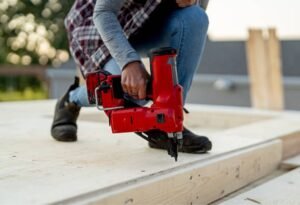
The trigger mechanism is essential for proper nail gun operation. It initiates the firing process. Issues within the trigger mechanism or the safety features can prevent the nail gun from working. This includes a faulty trigger, a jammed trigger, or a malfunctioning safety. Problems in these parts can easily disrupt the firing sequence. The trigger might not properly activate the firing pin. Safety features might hinder the trigger from activating the gun. To fix these issues, you will likely need to check the trigger, the safety mechanism, and the related internal parts. Regular maintenance and careful inspection can help to ensure smooth and safe performance.
-
- Faulty Trigger. The trigger is the main control for the nail gun, and if it fails, the gun won’t fire. The trigger could stick, break, or not properly engage the firing mechanism.
To check the trigger, physically examine it for any obvious damage or obstructions. Ensure the trigger moves freely. Press the trigger firmly to check whether it engages the firing mechanism. If the trigger is loose, sticky, or unresponsive, it might need to be
-
- Jammed Trigger. Debris or internal components may cause the trigger to become stuck.
Check the trigger area for any visible debris or obstructions. Try gently tapping the nail gun on a hard surface to see if this helps dislodge anything that may be stuck. If the trigger is still jammed, it could be an internal issue. If this is the case, you will likely need to open the nail gun to look at its internal parts. Consult your nail gun’s manual for disassembly instructions. If you’re not comfortable doing this, seek professional help.
-
- Malfunctioning Safety Mechanism. Most nail guns have a safety mechanism that stops the gun from firing unless it’s pressed against a surface. A failure here can prevent the gun from firing.
Look at the contact element (the part that presses against the work surface). Make sure it moves freely and is making full contact. Check that the safety mechanism is not stuck or obstructed. If the safety mechanism is not working correctly, the nail gun may not fire. It might need adjustments or replacement. Make sure you fully understand how the safety mechanism works. If you are uncertain about it, study the manual or get advice from an expert.
Other Potential Problems
Beyond the core components, several other problems could explain why your nail gun isn’t working. These include issues with the firing pin, worn internal components, or even the type of material you’re trying to fasten. Although they are not always the first things that come to mind, these factors could cause malfunctions. Regularly maintaining and inspecting all parts can prevent these issues. Taking time to diagnose and address these less common issues can prevent major headaches and extend your tool’s life.
-
- Firing Pin Issues. A damaged or worn firing pin might not strike the nails with enough force to drive them in correctly.
Inspect the firing pin for any signs of wear, damage, or deformation. Check to see if it moves freely within its chamber. Look for any debris. If the firing pin is bent, broken, or significantly worn,
-
- Worn or Damaged Internal Components. Over time, the internal components of a nail gun can wear out or get damaged through regular use.
To check for this, remove the magazine and inspect the internal parts. Look for any broken or damaged pieces. Check for worn seals or O-rings, which can cause air leaks and loss of pressure. If you are comfortable, you can replace these parts yourself. If not, consider professional repair to make sure everything functions correctly.
-
- Material Issues. If you’re trying to fasten hardwoods or other dense materials, your nail gun might have problems.
If you’re using the wrong type of nails or the nail gun is not powerful enough, it might not be able to drive nails completely. Ensure the nail gun is the right size and that it is using the correct type and size of fasteners for your task. Choose a nail gun that can handle the specific type of material you are working with. Increase the air pressure (if applicable). If you are using an air-powered gun, consider using a more powerful nail gun designed for hardwoods. For electric models, verify you are using the right settings for the material.
According to a study conducted by the National Institute for Occupational Safety and Health (NIOSH), the improper use of nail guns contributes to a significant number of workplace injuries. The study revealed that a large percentage of these injuries occur because of unexpected firing or malfunctions, highlighting the importance of proper maintenance and understanding of how these tools work.
Troubleshooting Steps for a Nail Gun That Doesn’t Fire
Troubleshooting a non-firing nail gun is a systematic process. This starts with a series of quick checks and moves into more detailed inspections. It’s better to go step-by-step to isolate the problem. This approach helps in preventing unnecessary work. Following this method will save time and prevent you from damaging your equipment. The goal is to identify the root cause quickly and efficiently. By following these steps, you can get your nail gun working again. You will also improve your confidence in handling this essential tool.
-
- Check the Power Source.
If you’re using a cordless nail gun, make sure the battery is charged. If using an electric nail gun, make sure it is plugged into a working outlet. With pneumatic nail guns, make sure the air compressor is on and producing air.
-
- Inspect the Air Pressure.
For pneumatic nail guns, check the air pressure gauge on the compressor. Make sure it is set to the correct PSI as specified by the manufacturer.
-
- Examine the Nail Magazine.
Make sure the magazine is correctly loaded with the appropriate nails. Check that the nails are aligned properly and not jammed.
-
- Check the Trigger and Safety Mechanism.
Make sure that the trigger is moving freely and not stuck. Make sure the safety mechanism is engaging properly against a surface.
-
- Inspect for Jams.
Look for jammed nails in the firing chamber and remove them if present. Use the nail gun’s jam-clearing mechanism if available.
-
- Listen for Any Sounds.
When you pull the trigger, listen for any sounds that may indicate the problem. This could be an electric motor, an air leak, or the sound of the firing pin.
Maintaining Your Nail Gun for Optimal Performance
Regular maintenance is important for keeping your nail gun in top condition. This also keeps it performing efficiently and extends its working life. Routine cleaning, lubrication, and inspection are essential to prevent many common problems. A well-maintained nail gun operates more smoothly, reliably, and safely. Consistent care and attention will minimize downtime and repair costs. Maintaining your nail gun is not a complex task. It requires simple actions and habits to keep the tool in its best condition.
-
- Cleaning Your Nail Gun.
After each use, remove any dust and debris from the nail gun. Clean the nail magazine, the firing chamber, and the air vents. Use compressed air or a soft brush to remove dust and debris. Wipe down the exterior of the nail gun. Keeping the tool clean will prevent jams and keep the tool working well.
-
- Lubricating the Internal Components.
Regular lubrication reduces friction and wear on the moving parts. Use a high-quality pneumatic tool oil if you have a pneumatic nail gun. Apply oil to the air inlet and other moving parts as recommended by the manufacturer. If you are using a cordless or electric nail gun, check the manual to find out if specific lubrication is needed.
-
- Checking for Leaks.
Look for air leaks, especially if you have a pneumatic nail gun. Listen for hissing sounds around the connections and the body of the tool. Tighten any loose fittings and replace worn seals or O-rings as needed. This will help maintain optimal air pressure and improve the tool’s efficiency.
-
- Storing Your Nail Gun Properly.
Store your nail gun in a clean, dry place to protect it from the elements. If you have a pneumatic nail gun, disconnect it from the air supply and empty the air tank. If you have an electric or cordless nail gun, remove the battery. Always follow the manufacturer’s directions for storage.
When to Call a Professional
While many nail gun issues can be fixed with basic troubleshooting and maintenance, some problems need a professional touch. If you’re not comfortable taking your nail gun apart, or if the problem seems complex, professional help is the best option. Sometimes the issues are deep within the tool, and they need specialized knowledge. This saves time and ensures the job gets done correctly. Using a professional can prevent further damage to the tool and keep you safe. Recognizing when you need help ensures your tool keeps working safely. It can also extend its life. In the end, it improves overall productivity and safety.
-
- Persistent Issues.
If you have tried multiple troubleshooting steps, and the nail gun continues to fail, consider professional repair. This is especially true if you are repeatedly experiencing jams, leaks, or other problems.
-
- Internal Component Failures.
If you suspect problems with internal components, like the firing pin, trigger mechanism, or motor, consult a professional. These parts may be difficult to access and repair without the right equipment and knowledge.
-
- Electrical Problems.
Electrical issues, such as motor failures, short circuits, or other issues, should be handled by a qualified technician. Attempting to repair electrical components without the proper training could cause harm.
-
- Safety Concerns.
If you’re unsure about any aspect of the repair or maintenance process, especially concerning the safety mechanisms, it’s best to seek professional help. A qualified professional can ensure the nail gun operates safely.
According to data collected by the U.S. Consumer Product Safety Commission (CPSC), approximately 37,000 nail gun injuries are treated in U.S. emergency rooms each year. Knowing when to call in a pro is a great way to ensure that you are staying safe.
Frequently Asked Questions
Question: Why does my nail gun keep jamming?
Answer: Jams can happen because of a number of reasons: using the wrong type of nails, improper loading, or a build-up of debris. Make sure you use the correct nails for your gun and load them properly. Clean the firing chamber often.
Question: My pneumatic nail gun has low power. What could be the issue?
Answer: Low power in a pneumatic gun is often linked to low air pressure or air leaks. Check your air compressor’s PSI settings and make sure that the system is properly connected. Look for leaks around the fittings and hoses.
Question: How often should I lubricate my nail gun?
Answer: It depends on how often you use your nail gun. As a general rule, lubricate before each use. If you use it very often, lubricate the moving parts after every few hours of use. Follow the manufacturer’s advice.
Question: What’s the best way to clean my nail gun?
Answer: After each use, blow out any debris with compressed air. You can also use a soft brush to clean the magazine and the firing chamber. Make sure that the tool is disconnected from its power source. Do not use harsh chemicals.
Question: What do I do if my nail gun won’t fire at all?
Answer: First, check the power source (battery or electricity) and the air pressure, if applicable. Then, inspect the nail magazine and trigger. If the trigger doesn’t move freely, look for jams or other obstructions. If these steps do not help, check the safety features of the gun.
Final Thoughts
You now have the knowledge to troubleshoot and fix common issues, and understand why your nail gun might not be firing. From checking air pressure to examining internal components, each step is crucial for getting your tool operational. Understanding how to solve common problems like jams, battery failures, and trigger issues, will save time. Implementing routine maintenance like cleaning, lubricating, and correct storage are key to keeping your nail gun in good shape. With consistent care and some troubleshooting skills, you can keep your nail gun working efficiently. This allows you to tackle your projects with confidence. Should a more complex issue arise, remember that professional help is always available to ensure safety and function. So, keep your tools in good shape, and keep on creating!

I’m Michael R. Turner, the founder, lead writer, and passionate DIY enthusiast behind 101diytools.com. With years of hands-on experience in home improvement and power tools, I built this platform to share practical tips, in-depth guides, and honest reviews to help DIYers of all skill levels tackle projects with confidence and the right tools.