How Much Are Prescription Safety Glasses? Price Guide
Every year thousands of workers face avoidable eye injuries because ordinary glasses fail to protect against impact, dust, or chemical hazards.
The true cost of inadequate protection often extends far beyond medical bills, leading to lost workdays and long-term vision damage.
Curiosity about the price of prescription safety glasses is natural, especially when balancing budget concerns with the need for reliable protection.
Some wonder if they are truly affordable or if quality options always come at a premium. Others worry about hidden costs like coatings, materials, or specialized prescriptions that may raise the total investment.
The importance of choosing the right eyewear cannot be overstated. According to the U.S. Centers for Disease Control and Prevention, about 2,000 eye injuries occur on the job every day and nearly 90 percent could be prevented with proper protective eyewear (CDC).
This highlights why understanding the cost factors behind prescription safety glasses matters for both individuals and employers.
The good news is that a wide price spectrum exists, from budget-friendly models to premium designs that combine impact resistance with advanced coatings and stylish frames.
Online providers, insurance programs, and workplace safety initiatives also play a role in making them more accessible.
By exploring how much are prescription safety glasses, what influences their pricing, and where to find the best deals, readers can make confident choices that protect both vision and wallet.
The sections ahead will break down real costs, reveal hidden factors, and provide expert guidance for finding the best balance between safety, comfort, and affordability.
What Are Prescription Safety Glasses and Why Are They Pricier?
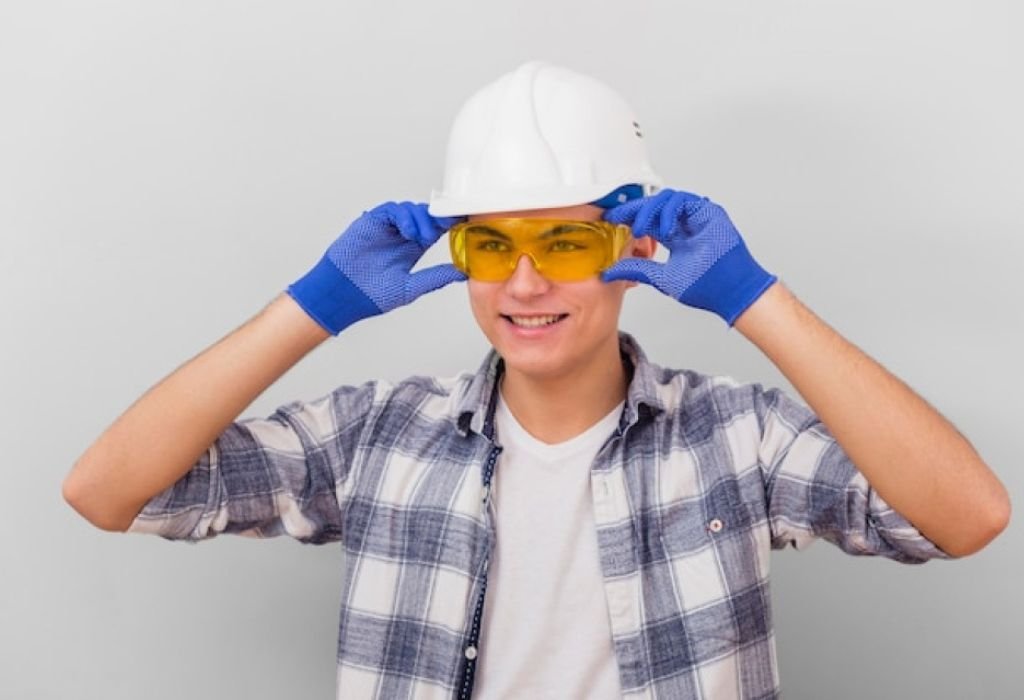
Prescription safety glasses are specialized eyewear designed to provide both vision correction and protective shielding against workplace hazards. Unlike standard glasses, they are built with impact-resistant materials and must meet ANSI Z87.1 safety certification standards.
These glasses often feature durable frames, wrap-around designs, and side shields that ensure complete coverage. The added protection explains why prescription safety glasses are more expensive than everyday eyewear.
The lenses themselves are made from stronger materials such as polycarbonate or Trivex, which naturally block harmful UV rays. Many pairs also come with optional coatings like anti-fog or anti-scratch that increase durability and comfort.
In short, the higher price of prescription safety glasses reflects not only their dual purpose of vision correction and protection but also the rigorous testing and certifications they must pass. Choosing certified eyewear ensures compliance with OSHA standards and long-term eye safety.
What does ANSI Z87 mean?
It is a safety certification indicating the glasses meet impact and durability standards.
Why are prescription safety glasses more expensive than regular glasses?
They use stronger frames, safety-rated lenses, and coatings that add to the cost.
Are safety lenses always stamped Z87 or Z87+?
Yes, certified lenses must carry these markings to prove compliance.
Do prescription safety glasses block UV rays?
Yes, most polycarbonate and Trivex lenses block 100% of UVA and UVB radiation.
Can prescription safety glasses be stylish?
Yes, modern designs include wrap-around, metal, and plastic frames with various finishes.
What Is the Typical Price Range for Prescription Safety Glasses?
The cost of prescription safety glasses varies widely depending on lens complexity, frame type, and retailer. On average, basic models start at $90, while high-end designs can exceed $300.
Entry-level pairs are usually made with standard plastic or polycarbonate lenses and basic frames. They are suitable for light-duty work but may lack premium coatings or advanced designs.
Mid-range options often fall between $150 and $250. These usually include anti-scratch and anti-reflective coatings, as well as more durable frames.
Premium models range from $250 to $400, especially when progressive lenses or branded frames are chosen. These provide both style and maximum protection in demanding environments.
In Canada, the average cost sits between CAD $200 and $300, though employer subsidies can significantly reduce personal expenses. Online stores may also offer bundled packages that lower costs compared to local optical shops.
How much do basic prescription safety glasses cost?
They often start around $90 to $120, depending on frame and lens type.
What is the average price range?
Most users spend between $150 and $250 for durable, coated models.
How much do high-end or customized versions cost?
They can reach $300 to $400 when progressive lenses or specialty coatings are added.
Do prices vary by provider?
Yes, online sellers are generally cheaper than in-store retailers.
Any regional cost differences?
In Canada, the average is CAD $200–300, though employer coverage may lower the cost.
Factors Influencing the Cost of Prescription Safety Glasses
Several elements determine how much are prescription safety glasses, from lens complexity to optional upgrades. Understanding these factors helps explain price variations.
Prescription type plays a major role. Single-vision lenses cost less, while progressive or bifocal lenses add significant expense.
Lens materials also influence pricing. Polycarbonate is affordable, but Trivex offers superior clarity and chemical resistance at a higher cost.
Coatings such as anti-fog, anti-scratch, or blue-light filtering each add $20 to $60 per pair. Choosing multiple coatings can easily raise the total price.
Frames affect cost as well. Basic plastic is cheaper, while wrap-around or branded metal frames cost more but last longer.
Finally, customization such as tinted safety lenses or polarized finishes can push costs into the premium category.
How does prescription type affect cost?
Progressive and multifocal lenses are more expensive than single-vision.
Do lens materials make a difference?
Yes, Trivex and high-index lenses cost more than standard polycarbonate.
How much do lens coatings add?
Each coating can add $20–60, depending on the provider.
Does frame design influence cost significantly?
Yes, wrap-around or branded frames increase prices compared to basic options.
Are branded safety glasses pricier?
Yes, premium brands like Wiley X or Oakley are generally more expensive.
Where Can Prescription Safety Glasses Be Purchased, and How Do Prices Compare?
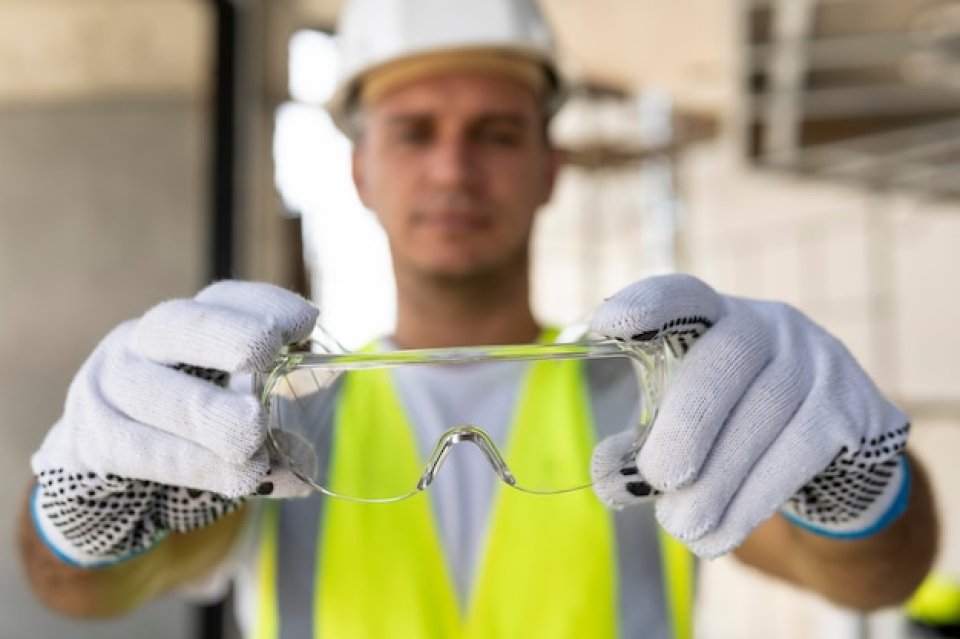
There are several options for purchasing prescription safety glasses, each with different price ranges. Online stores, optical chains, and corporate programs are the most common sources.
Online retailers like VS Eyewear or FramesDirect typically offer the best value. They sell ANSI-rated glasses starting around $90, often with bulk or seasonal discounts.
Optical shops and eye clinics provide professional fittings but usually charge higher prices. These can start at $170 and climb quickly with lens upgrades.
Employer programs are another major channel. Many companies partner with safety eyewear providers to subsidize or fully cover costs.
Insurance and FSA/HSA benefits can also offset expenses, especially for those with recurring vision needs.
What online retailers offer prescription safety glasses?
VS Eyewear, Wiley X, SafeVision, and FramesDirect are popular options.
How do prices differ across sellers?
Online stores average $90–150, while clinics often charge $170–300.
Do big retailers offer ANSI-rated glasses?
Yes, but pricing is often higher than specialty safety eyewear sites.
Can insurance or FSA/HSA help cover cost?
Yes, many providers allow reimbursement for prescription safety glasses.
Do employers typically pay for these?
Yes, many companies cover costs to comply with OSHA safety regulations.
Choosing the Best Value—Balancing Cost and Protection
Finding the best prescription safety glasses is about balancing cost with necessary protection. Choosing the cheapest option is not always the safest decision.
ANSI certification should always be the first priority. Glasses without certification may not protect against impact or meet workplace requirements.
Budget-conscious buyers should look for bundled packages that include coatings at a discounted rate. Many online sellers offer promotions for added value.
Comfort and fit are equally important. Poorly fitting glasses may discourage consistent use, negating safety benefits.
Ultimately, the best value lies in selecting certified eyewear that fits well, provides clear vision, and offers coatings that extend durability.
Are cheapest options safe enough?
Only if they carry ANSI Z87 or Z87+ certification.
Is spending more always better?
Not always, but higher prices often reflect better durability and comfort.
How to get coatings without overspending?
Look for online bundles that include multiple coatings at reduced cost.
Is online measurement reliable?
Yes, most online retailers provide tools to ensure accurate PD entry.
When to choose premium lenses like Trivex?
When clarity, lightweight feel, or chemical resistance is essential.
Emerging Trends and Future Price Outlook
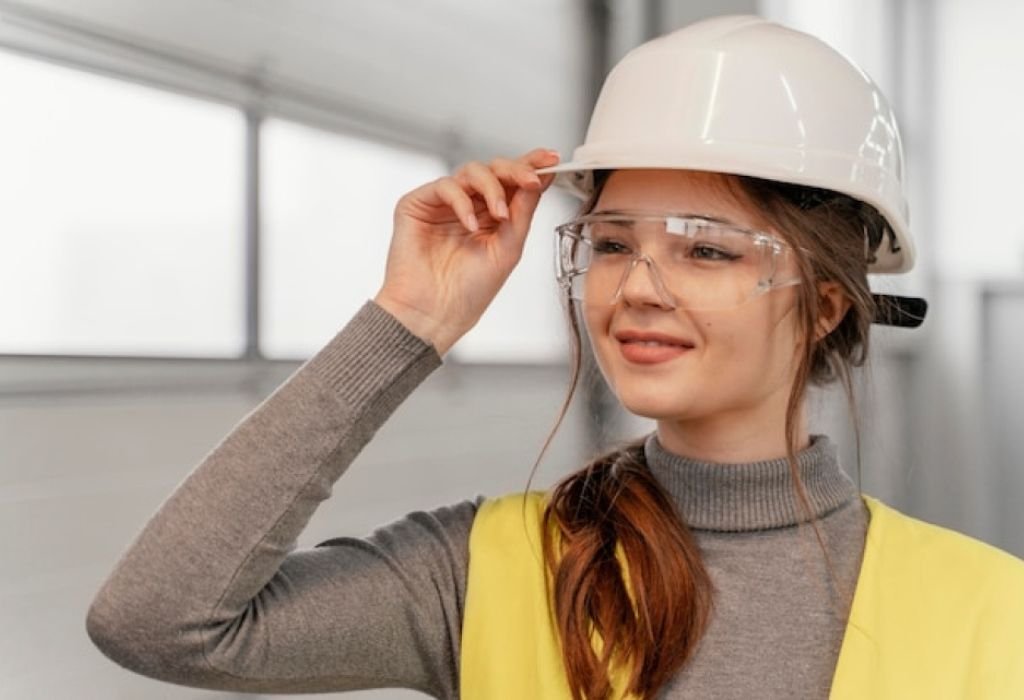
The future of prescription safety glasses is shaped by technology, regulation, and consumer demand. Online competition is already driving prices lower for basic models.
Smart safety glasses with digital overlays and connected features are being tested in industrial environments. These may command premium pricing initially.
Insurance coverage for prescription safety glasses could expand as awareness of workplace eye protection grows. This could reduce out-of-pocket expenses for workers.
Advances in materials such as lightweight polymers and coatings are likely to reduce costs while improving durability.
Stricter global regulations may push prices up slightly, but they will also ensure better long-term protection.
Are prices trending down due to online competition?
Yes, direct-to-consumer models are lowering entry-level prices.
Will smart safety glasses become common?
Yes, but adoption may be slow due to higher initial cost.
Could insurance coverage expand?
Yes, broader recognition of workplace hazards may increase coverage.
Will lens technologies reduce costs?
Yes, new materials should become more affordable over time.
Impact of regulatory updates?
Stricter standards may raise costs slightly but improve overall safety.
Conclusion
Prescription safety glasses are more than just an accessory; they are essential protection for anyone working in hazardous environments. Prices range widely from $90 for basic models to $300 or more for premium designs with advanced coatings.
The cost is influenced by factors like lens type, coatings, and frame style, but ANSI certification should always be the top priority. Online retailers, insurance benefits, and employer programs provide multiple ways to save without sacrificing protection.
By understanding how much are prescription safety glasses and what drives their cost, readers can make informed choices that protect their eyes and fit their budget. Investing in certified safety eyewear is not only a financial decision but a long-term commitment to preserving vision.

I’m Michael R. Turner, the founder, lead writer, and passionate DIY enthusiast behind 101diytools.com. With years of hands-on experience in home improvement and power tools, I built this platform to share practical tips, in-depth guides, and honest reviews to help DIYers of all skill levels tackle projects with confidence and the right tools.