Fix Your Nail Gun Losing Pressure Troubleshooting Guide
Experiencing a nail gun losing pressure? Don’t let a failing tool slow you down! The most common culprits are air leaks from fittings or hoses, and worn internal O-rings or seals, significantly impacting performance. A systematic inspection for leaks, coupled with cleaning and replacing degraded seals, will typically restore your nail gun’s full power and reliability.
Imagine this: You’re deep into a home renovation project, the rhythm of your nail gun driving fasteners perfectly, and everything is clicking along. Then, suddenly, something changes. Instead of that satisfying thud, you hear a weak hiss, or the nails just aren’t sinking flush anymore. Your trusty tool, once a reliable workhorse, feels like it’s running out of breath. If this sounds familiar, you’re likely dealing with a nail gun losing pressure – a frustrating hiccup that can bring your progress to a screeching halt.
We’ve all been there. That moment of panic, wondering if your expensive tool is completely kaput. But before you throw in the towel or rush out to buy a new one, take a deep breath. More often than not, a nail gun losing pressure isn’t a death sentence for your equipment. Many common issues are surprisingly simple to diagnose and fix with a bit of patience and the right know-how. Think of this guide as your friendly helper, walking you through the steps to get your nail gun back to its peak performance.
This isn’t about complicated mechanics or jargon. It’s about practical, step-by-step troubleshooting, just like a friend showing you the ropes. We’ll explore the usual suspects, from the obvious external problems to the hidden internal components, helping you pinpoint why your nail gun is losing pressure and what you can do about it. Let’s dive in and get that nail gun firing strong again!
Key Takeaways
- Check Air Supply First: Verify compressor, hose, and coupler for issues.
- Inspect O-rings & Seals: Worn or damaged seals are common pressure loss culprits.
- Clean Internal Components: Debris obstructs airflow; disassemble and clean thoroughly.
- Lubricate Regularly: Apply pneumatic tool oil to maintain seals and function.
- Examine Trigger Valve: A faulty trigger valve often causes constant air leakage.
- Tighten All Fasteners: Loose screws can create unexpected air leaks.
- Identify Exhaust Blockages: Ensure the exhaust port is clear for proper function.
📑 Table of Contents
Checking Your Air Supply: The First Suspect
When your nail gun is losing pressure, the very first place to look isn’t the tool itself, but its lifeline: the air supply. Many problems originate right here, so starting with these checks can save you a lot of headache.
Compressor Settings and Tank Pressure
- Is Your PSI High Enough? Most nail guns require a certain Pounds per Square Inch (PSI) to operate effectively. Check the recommended PSI for your specific nail gun (usually found in the manual or on a sticker on the tool). Then, look at your compressor’s gauge. Is it set correctly? Sometimes, a quick adjustment is all it takes to fix a nail gun losing pressure issue.
- Tank Pressure Drop: Does your compressor struggle to maintain pressure, or does the tank pressure drop too quickly after a few shots? This could indicate a leak in the compressor tank itself, a faulty pressure switch, or simply that your compressor isn’t powerful enough for continuous use. Ensure your compressor is actually reaching and holding the desired pressure.
Air Hose and Connections
- Leaks in the Hose: The air hose is often overlooked. Inspect it carefully for any cuts, punctures, or worn spots. Even a tiny pinhole can cause a significant drop in pressure, making your nail gun lose pressure. You might hear a faint hiss, or you can spray soapy water on the hose and look for bubbles.
- Loose or Damaged Fittings: All the quick-connect fittings and couplers along your air line should be snug. Air leaks are incredibly common at these connection points. Check the O-rings inside the quick-connects; they can wear out or get pinched, leading to air loss. Try tightening them or replacing any worn fittings.
Air Filter and Regulator
- Clogged Air Filter: Your compressor or inline air filter can get clogged with debris, dust, or moisture over time. A blocked filter restricts airflow, which directly translates to your nail gun losing pressure. Most filters are easy to unscrew and clean or replace.
- Faulty Regulator: The air regulator controls the output pressure to your tool. If it’s malfunctioning, it might not be delivering the consistent pressure your nail gun needs. Try adjusting it up and down. If it doesn’t respond or leaks, it may need replacing.
Internal Issues: The Nail Gun’s Own Components
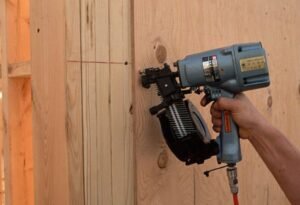
If your air supply seems perfectly fine, the problem likely resides within the nail gun itself. These internal components, while more complex, are often the culprits when a nail gun is losing pressure.
Worn O-Rings and Seals
- The Silent Leakers: This is arguably the most common reason for a nail gun losing pressure. O-rings are small rubber rings that create airtight seals within the tool’s pneumatic system. Over time, they dry out, crack, or become brittle due to wear, tear, or improper lubrication. When an O-ring fails, air escapes, reducing the force delivered to the nail. You might hear air leaking from the trigger area, exhaust port, or around the cylinder.
- Replacement is Key: Replacing O-rings can seem daunting, but many manufacturers offer O-ring kits specific to your model. It often involves disassembling parts of the nail gun, removing the old rings, and carefully installing new ones, usually with a bit of pneumatic tool oil.
Damaged Driver Blade or Piston
- Bent or Broken Driver Blade: The driver blade is the part that actually strikes the nail. If it’s bent, chipped, or broken, it might not fully extend or retract, or it could be causing internal friction that mimics a nail gun losing pressure by preventing the nail from seating properly. Inspect it for visible damage.
- Piston Ring Wear: Similar to O-rings, a worn piston ring (if present in your model) can cause air to bypass the piston, leading to a significant loss of driving power. This usually requires a more involved repair.
Blocked Exhaust Ports or Air Passages
- Accumulated Debris: Over time, dust, wood chips, and other debris can build up in the internal air passages or block the exhaust ports. This restricts the smooth flow of air, causing your nail gun to lose pressure. A thorough cleaning with compressed air and a non-residue cleaner can often resolve this.
- Moisture Build-up: If you don’t use a water separator, moisture from your compressor can accumulate inside the nail gun, leading to rust and blockages. Regular oiling helps, but a water separator is the best preventative measure.
Fastener and Magazine Related Problems
Sometimes, the issue isn’t strictly about air pressure but how the tool interacts with the fasteners. These can often be mistaken for a nail gun losing pressure because the symptom is the same: nails not fully driving.
Incorrect Fastener Size or Type
- Matching the Nail to the Tool: Ensure you are using the correct gauge and length of nails recommended by your nail gun’s manufacturer. Using nails that are too long, too thick, or not meant for your specific tool can lead to misfires, jams, and nails not sinking properly, making it seem like your nail gun is losing pressure.
- Low-Quality Nails: Cheap, low-quality nails can sometimes be inconsistent in size or have burrs that cause jams or premature wear on the driver blade. Stick to reputable brands.
Magazine Issues
- Jammed Nails: A common problem! Nails can get jammed in the magazine track, preventing the next nail from properly loading into the firing chamber. Always ensure the magazine is clean and free of debris.
- Bent Follower or Spring: The follower pushes the strip of nails forward. If it’s bent or its spring is weak, it might not feed nails consistently, leading to misfires or partial drives that mimic a nail gun losing pressure.
- Dirty Magazine Track: Wood dust and grime can build up in the magazine track, creating friction and preventing nails from sliding smoothly. A quick clean can often resolve this.
Trigger and Valve Mechanism
The trigger assembly and its associated valves are crucial for controlling the airflow within the nail gun. Problems here can directly result in your nail gun losing pressure.
Faulty Trigger Valve
- Not Releasing Enough Air: The trigger valve is responsible for allowing a precise burst of air to fire the nail. If this valve is faulty, sticky, or has worn seals, it might not open fully or quickly enough, resulting in a weak shot. You might hear the trigger mechanism hiss or feel loose.
- Stuck Trigger: Sometimes, the trigger mechanism itself can become stiff or partially stuck due to dirt or lack of lubrication, preventing it from fully actuating the valve.
Damaged Gaskets or Springs
- Internal Gaskets: Beyond O-rings, there are often other gaskets and seals within the trigger and valve assembly. If these are cracked or deteriorated, air can leak internally, reducing the effective pressure at the firing pin.
- Weakened Springs: Springs are used in various parts of the trigger and valve mechanism to ensure components return to their proper positions. If a spring is weak or broken, it can disrupt the timing and efficiency of the air release, making your nail gun lose pressure.
Essential Maintenance for Longevity
Preventative care is your best friend when it comes to avoiding issues like a nail gun losing pressure. A little effort now can save you a lot of frustration later.
Regular Lubrication
- Pneumatic Tool Oil: This is non-negotiable for air tools. Before each use (or at least daily if you’re using it heavily), put 5-10 drops of pneumatic tool oil into the air inlet. This oil travels through the tool, lubricating the O-rings and internal components, keeping them supple and preventing them from drying out and cracking.
Tip: Never use motor oil or other non-pneumatic oils, as they can damage seals.
Cleaning Procedures
- Keep it Clean: Regularly clean your nail gun, especially the magazine and nosepiece, to remove wood dust, debris, and sticky residue. Compressed air can be very effective for clearing out internal pathways.
- Check Filters: Don’t forget to regularly check and clean or replace any inline air filters or water traps connected to your air line.
Proper Storage and Handling
- Protect from Elements: Store your nail gun in a dry, temperate environment. Extreme cold can make O-rings brittle, and excessive moisture can lead to rust.
- Handle with Care: Avoid dropping your nail gun. Hard impacts can bend driver blades, damage internal components, and compromise seals, leading to a nail gun losing pressure.
- Drain Compressor: After each use, always drain the moisture from your air compressor tank. This prevents rust in the tank and reduces the amount of moisture traveling to your tools.
Summary of Common Pressure Issues
Here’s a quick overview of some common symptoms and their potential fixes related to your nail gun losing pressure:
| Symptom | Likely Cause(s) | Troubleshooting Step |
|---|---|---|
| Nails not driving fully | Low compressor PSI, worn O-rings, bent driver, clogged filter | Check PSI, lubricate/replace O-rings, inspect driver, clean filter |
| Air leaking from tool | Worn O-rings/seals, loose fittings | Locate leak, replace O-rings/tighten fittings |
| Weak firing sound | Low air supply, faulty trigger valve, internal blockage | Verify compressor, check regulator, clean tool internally |
| Misfires or jams | Incorrect nails, magazine issues, damaged driver | Use correct fasteners, clean magazine, inspect driver blade |
Conclusion: Get Your Power Back!
Dealing with a nail gun losing pressure can be incredibly frustrating, especially when you’re in the middle of an important project. But as we’ve explored, many of these issues are common, fixable, and often preventable with a little proactive care. By systematically checking your air supply, inspecting your tool’s internal components, and practicing good maintenance habits, you can often diagnose and resolve the problem yourself.
Don’t let a sluggish nail gun slow you down. Armed with the tips and tricks in this guide, you now have the knowledge to troubleshoot effectively. Remember, regular lubrication, keeping your tools clean, and ensuring your air supply is in top shape are your best defenses against a nail gun losing pressure. So, grab your toolbox, apply these insights, and get ready to hear that satisfying thud of a perfectly driven nail once again!
Frequently Asked Questions
Why is my nail gun losing pressure, and what are the most common causes?
A nail gun losing pressure often points to air leaks in the system. Common culprits include loose fittings, damaged air hoses, faulty connections, or internal issues within the nail gun itself, such as worn O-rings or seals.
How can I determine if my air compressor or air hose is causing the pressure loss?
First, inspect your air hose for any visible cuts, cracks, or loose connections at both ends. Then, ensure your compressor is set to the correct PSI for your tool and can maintain it without rapidly cycling, which could indicate a compressor issue or a significant leak upstream.
Could worn internal seals or O-rings be the reason my nail gun is losing pressure?
Absolutely, worn internal seals and O-rings are a very frequent cause of a nail gun losing pressure. Over time, these crucial components can dry out, crack, or wear down, allowing compressed air to escape and significantly reducing the tool’s power and performance.
What basic troubleshooting steps should I take if my nail gun is losing pressure?
Begin by checking all air line connections for tightness and listening carefully for any audible air leaks. Ensure your compressor is supplying adequate and consistent air pressure to the tool before you start disassembling any internal components.
What kind of maintenance can help prevent my nail gun from losing pressure in the future?
Regular maintenance, such as lubricating the nail gun daily with pneumatic tool oil and checking all fasteners for tightness, can significantly extend its life. Also, periodically inspect the air filter and keep the tool clean to prevent debris from compromising seals, which can lead to your nail gun losing pressure.
When should I consider replacing parts or seeking professional help for my nail gun losing pressure?
If you’ve checked basic connections, applied lubrication, and suspect internal component failure like a broken piston driver or a deeply cracked housing, it might be time for replacement parts. For complex repairs or if you’re unsure about diagnosing the exact cause of your nail gun losing pressure, consulting a professional tool repair service is advisable.

I’m Michael R. Turner, the founder, lead writer, and passionate DIY enthusiast behind 101diytools.com. With years of hands-on experience in home improvement and power tools, I built this platform to share practical tips, in-depth guides, and honest reviews to help DIYers of all skill levels tackle projects with confidence and the right tools.