Nail Gun Compressor Not Building Pressure Essential Solutions
When your nail gun compressor isn’t building pressure, the culprit is often a common, fixable issue. Begin your troubleshooting by meticulously checking for air leaks in hoses and fittings, which are frequently responsible for pressure loss. Next, inspect the pressure switch and check valve, as malfunctions in these critical components can prevent your compressor from reaching optimal operating pressure.
Picture this: you’re in the zone, making fantastic progress on your latest DIY masterpiece or a crucial construction project. Your nail gun is humming, and everything feels right. Then, suddenly, the familiar whir of your air compressor fades, and instead of hearing that satisfying build-up of pressure, you’re met with… silence, or perhaps a feeble gasp. Your nail gun goes limp, and your project grinds to a halt. It’s a frustrating moment we’ve all experienced, that sinking feeling when your nail gun compressor not building pressure brings everything to a screeching stop.
I know, it feels like the universe is conspiring against you, especially when you’re on a tight schedule. A compressor that refuses to pressurize can throw off your entire day, leaving you scratching your head and wondering what went wrong. Is it a simple fix, or are you looking at a major breakdown?
Don’t despair! Most instances of a nail gun compressor not building pressure are due to common, easily identifiable issues that you can often troubleshoot yourself. This post is designed to be your friendly guide, walking you through the most frequent culprits and offering straightforward solutions. We’ll explore everything from power hiccups to internal component failures, helping you diagnose the problem and get back to nailing in no time.
Key Takeaways
- Inspect Air Leaks: Thoroughly check all hoses, fittings, and connections for any leaks.
- Test Pressure Switch: Verify the pressure switch is correctly activating the motor to build pressure.
- Examine Check Valve: Ensure the check valve is not stuck, preventing tank pressure retention.
- Verify Drain Valve: Confirm the tank’s drain valve is fully closed before operation.
- Assess Pump Health: Check for worn piston rings or clogged air filters impacting compression.
- Evaluate Safety Valve: A stuck-open safety relief valve will continuously release built-up air.
- Confirm Power Supply: Ensure the compressor receives consistent and adequate power to run.
📑 Table of Contents
- Power and Electrical Issues: The First Checkpoint
- Leaks, Leaks Everywhere! The Silent Pressure Thieves
- The Pressure Switch and Unloader Valve: Your Compressor’s Brain Trust
- Pump and Motor Malfunctions: The Heart of the Beast
- Maintenance Matters: Air Filters and Oil Levels
- Conclusion: Get Your Compressor Back in Action
Power and Electrical Issues: The First Checkpoint
Before you dive into the nitty-gritty of the compressor’s internal workings, it’s always wise to start with the simplest potential problems. Often, when your nail gun compressor not building pressure, the issue isn’t with the compressor itself, but with its power supply.
Check Your Power Source
First things first, is the compressor plugged in? It sounds silly, but in a busy workshop, cords can get kicked out or mistakenly unplugged. Confirm it’s securely plugged into a working outlet. Try plugging in another device to the same outlet to ensure the outlet itself has power. Sometimes, extension cords can be the culprit too – ensure any extension cord you’re using is rated for the compressor’s amperage and is fully functional.
Inspect the Power Cord and Plug
Give your compressor’s power cord a quick visual inspection. Look for any cuts, frays, or damage that might be interrupting the electrical flow. A damaged plug with bent or missing prongs can also prevent proper connection. If you find any damage, for safety reasons, it’s best to replace the cord or have it professionally repaired before operating the unit again.
Circuit Breaker Woes
Air compressors draw a significant amount of power, especially when they first start up. It’s not uncommon for them to trip a circuit breaker, especially if other high-draw tools are operating on the same circuit. Head over to your electrical panel and check if a breaker has tripped (it will typically be in the ‘off’ or middle position). Flip it completely off and then back on. If it trips again immediately or after a short while, you might have an overloaded circuit or a more serious electrical problem within the compressor, indicating a need for professional assistance.
Leaks, Leaks Everywhere! The Silent Pressure Thieves
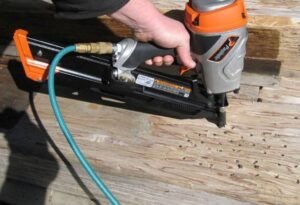
Air leaks are arguably the most common reason why a nail gun compressor not building pressure. Even a small leak can prevent your tank from reaching its target PSI, or cause it to lose pressure rapidly. Think of it like trying to fill a bucket with a hole in it.
Hose and Fitting Leaks
Start by checking all connections: where the hose connects to the compressor, where it connects to your nail gun, and any inline fittings or regulators. These are common spots for wear and tear. The best way to find elusive leaks is with the “soapy water test.” Fill a spray bottle with water and a few drops of dish soap. With the compressor running and attempting to build pressure (or pressurized if it’s holding some), spray the mixture generously over all fittings, hoses, and seams. Look for bubbles forming – that’s your leak! Tighten any loose fittings, or replace O-rings and thread tape as needed.
Tank Drain Valve Troubles
The drain valve, usually located at the bottom of the air tank, is designed to release condensed moisture. Over time, these valves can become loose, worn, or clogged, allowing air to escape. Check this valve carefully for leaks using the soapy water test. A simple tightening might fix it, or you might need to replace the valve entirely if it’s damaged.
Pressure Switch Leaks
The pressure switch is a critical component that tells your compressor when to start and stop. Leaks around the pressure switch assembly are surprisingly common. Pay close attention to where the switch connects to the tank and any small tubes leading to or from it. If you find a leak here, you might need to tighten the connections or replace the switch assembly. Sometimes, the unloader valve (often part of the pressure switch) can stick open, which leads us to our next point.
The Pressure Switch and Unloader Valve: Your Compressor’s Brain Trust
These two components work hand-in-hand to regulate your compressor’s operation. When a nail gun compressor not building pressure, issues with the pressure switch or unloader valve are often major suspects.
Malfunctioning Pressure Switch
The pressure switch detects the air pressure in the tank and turns the motor on when pressure drops below a set point, and off when it reaches the maximum. If the switch itself is faulty, it might not be sending the correct signals to the motor, preventing it from running or building pressure. Sometimes, these switches can be adjusted, but often a faulty one needs to be replaced. If your compressor runs constantly without reaching pressure, or doesn’t start at all, the pressure switch could be to blame.
Unloader Valve Problems
The unloader valve is a small, spring-loaded valve, often integrated with or located near the pressure switch. Its job is to release the air pressure from the compressor head when the motor stops. This allows the motor to start up again easily without working against residual pressure. If the unloader valve gets stuck in the open position, you’ll hear a constant hiss of air escaping from under the pressure switch, and your compressor will struggle, or fail entirely, to build pressure in the tank. You might hear it cycling on and off quickly but never fully pressurizing. In many cases, replacing the pressure switch assembly (which usually includes the unloader valve) is the most effective solution.
Pump and Motor Malfunctions: The Heart of the Beast
If electrical issues and leaks have been ruled out, and your pressure switch seems fine, the problem might lie within the compressor’s pump or motor – the components that actually generate the air.
Worn Piston Rings or Cylinders
Inside the compressor pump, pistons compress the air. Over time, piston rings and cylinder walls can wear out, reducing the pump’s efficiency. This means the pump will run, but it won’t be able to build sufficient pressure. You might notice the compressor running much longer than usual to build less pressure, or it might sound weaker. This is a more involved repair, often requiring a rebuild kit or professional service.
Defective Check Valve
The check valve is a one-way valve located between the pump and the air tank. Its purpose is to prevent pressurized air from flowing back from the tank into the pump once the pump stops. If this valve is faulty or stuck open, air will leak back from the tank into the pump or through the unloader valve, causing the compressor to cycle on and off frequently and preventing it from maintaining pressure. You can often test this by pressurizing the tank, then shutting off the compressor. If air immediately starts escaping through the unloader valve, the check valve is likely failing. Replacing this valve can often resolve the issue.
Motor Overload or Failure
A compressor’s motor can fail for several reasons: overheating, worn bearings, or an electrical short. If your motor hums but doesn’t start, or trips the breaker repeatedly, it could be overloaded or failing. Some motors have a thermal overload switch that trips when they get too hot; allow it to cool down and reset. If the motor is clearly not working or emitting strange noises, it might be time for a professional repair or replacement.
Maintenance Matters: Air Filters and Oil Levels
Sometimes, the simple act of regular maintenance can prevent a nail gun compressor not building pressure scenario. Overlooking these small things can have big consequences.
Clogged Air Intake Filter
Just like your car’s engine, your air compressor breathes. It pulls in ambient air through an intake filter. If this filter becomes clogged with dust, dirt, or debris, the pump won’t be able to draw in enough air, significantly reducing its efficiency and preventing it from building proper pressure. This is a super easy fix! Simply remove the old filter and replace it with a clean one. Check your manual for how often this should be done, but a visual check is always a good idea.
Low or Dirty Oil (for oil-lubricated compressors)
Many compressors, especially larger or older models, are oil-lubricated. The oil keeps the pump running smoothly and prevents excessive wear. If the oil level is too low or the oil is dirty and thick, it can cause the pump to run inefficiently, overheat, and struggle to build pressure. Always check your oil dipstick and ensure the level is correct. Change the oil according to your manufacturer’s recommendations using the specified type of oil.
Conclusion: Get Your Compressor Back in Action
Dealing with a nail gun compressor not building pressure can be incredibly frustrating, but as we’ve seen, many of the common problems have straightforward solutions. By systematically checking your power supply, diligently searching for leaks, inspecting the pressure switch and unloader valve, considering pump and motor health, and keeping up with routine maintenance, you can often diagnose and fix the issue yourself.
Remember to always prioritize safety when working with electrical tools and pressurized air. Unplug the compressor before performing any inspections or repairs. If you’ve gone through these steps and your compressor is still giving you trouble, or if you’re uncomfortable performing a more complex repair, don’t hesitate to seek professional help. Getting your reliable compressor back in working order means you can get back to building, creating, and tackling those projects with confidence!
Frequently Asked Questions
Why is my nail gun compressor not building pressure?
This is a common issue that can stem from several problems, from simple fixes to more complex repairs. The most frequent culprits include air leaks in hoses or fittings, a faulty pressure switch, or a worn-out pump that isn’t efficiently compressing air.
How can I check for air leaks when my nail gun compressor isn’t building pressure?
Air leaks are a prime suspect when your compressor isn’t building pressure. To find them, turn on the compressor and spray a soapy water solution on all fittings, hoses, and the tank itself; bubbles will indicate the exact location of a leak, which you can then tighten or replace.
My compressor motor runs, but it’s not building any pressure. What could be wrong?
If the compressor motor is running but no pressure builds, the problem often lies with the pump or the unloader valve. Check if the unloader valve is stuck open, as this will prevent air from entering the tank, or consider if the pump’s internal components like piston rings are worn out.
Could a faulty pressure switch cause my nail gun compressor not to build pressure?
Absolutely, a malfunctioning pressure switch is a common reason for this problem. If the switch isn’t properly engaging the motor when pressure drops, or if it’s stuck in an open position, the compressor won’t start or won’t maintain the necessary pressure to operate effectively.
What if the air intake filter is blocked on my nail gun compressor?
A clogged air intake filter can significantly restrict airflow into the pump, preventing your nail gun compressor from efficiently building pressure. Regularly inspect and clean or replace the intake filter to ensure optimal performance and prevent unnecessary strain on the compressor motor.
What’s the simplest thing to check if my compressor isn’t building pressure?
The simplest check is often overlooked: ensure the tank drain valve is fully closed. If the drain valve is even slightly open, air will continuously escape, preventing the compressor from accumulating the necessary pressure in the tank.

I’m Michael R. Turner, the founder, lead writer, and passionate DIY enthusiast behind 101diytools.com. With years of hands-on experience in home improvement and power tools, I built this platform to share practical tips, in-depth guides, and honest reviews to help DIYers of all skill levels tackle projects with confidence and the right tools.