How to Fix Glue Gun Not Heating: Troubleshooting Guide for Beginners
A crafter sits down to start a project, plugs in the glue gun, and waits for it to heat. Minutes later, nothing happens, and the tool remains cold.
The frustration begins, leading to the question of how to fix glue gun not heating without immediately buying a new one. For many hobbyists, a non-heating glue gun means wasted time and stalled creativity.
Glue guns rely on a heating element to melt sticks into usable adhesive. When that system fails, the gun cannot function, leaving projects unfinished.
The causes can range from simple clogs to serious electrical problems. Identifying the issue is the first step toward finding the right fix.
Some problems require only basic cleaning or cord replacement. Others may demand replacing the heating element or deciding whether repair is even worth it.
The global hot melt adhesives market is valued at over $9 billion, showing how essential glue guns are in crafts, repairs, and industrial work (Grand View Research). With millions of users worldwide, heating issues are a common problem.
At the same time, the National Fire Protection Association (NFPA) reports that electrical malfunctions cause about 25,000 home fires annually in the U.S., highlighting why safe troubleshooting is critical (NFPA). Safety must come first in any repair attempt.
Knowing how to troubleshoot a glue gun properly saves money, prevents frustration, and extends the life of your tool. With the right steps, a cold glue gun can often be restored to working order.
This guide covers the most common reasons glue guns stop heating, how to fix them safely, and when replacement is the better choice.
Why Is My Glue Gun Not Heating?
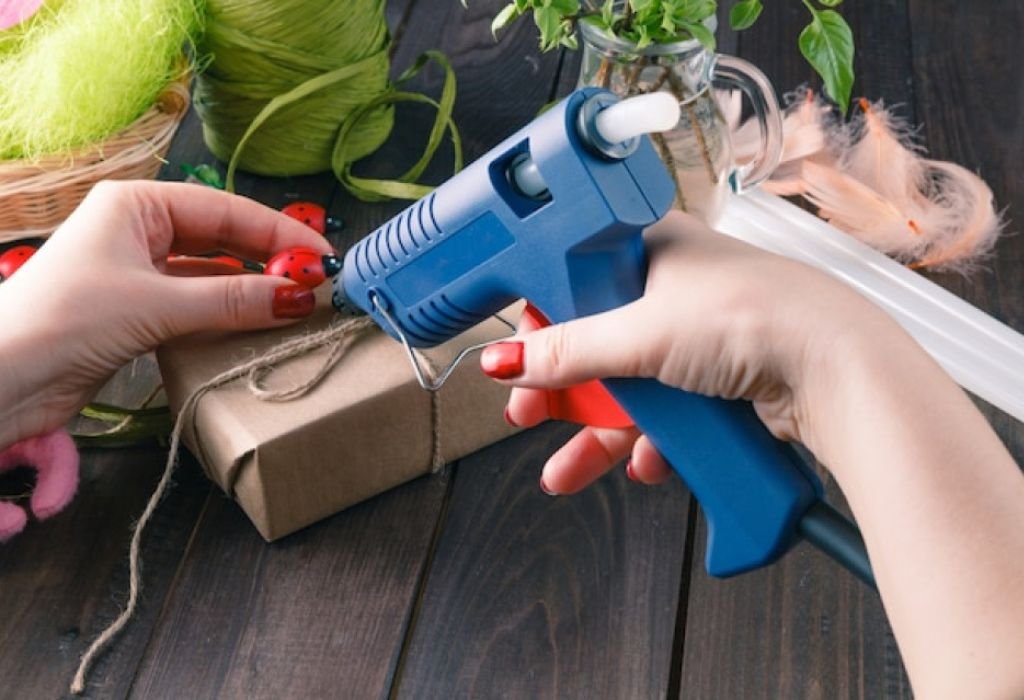
The most common reason a glue gun won’t heat is a damaged power cord. Frayed or loose wires prevent electricity from reaching the heating element.
Another cause could be a clogged nozzle. Hardened glue can block heat transfer and make the gun seem broken.
Switch failure is also possible, especially in budget models. In rare cases, the heating element itself burns out and needs replacement.
Why won’t my glue gun heat up?
It may have a power or heating issue.
Is clogging a problem?
Yes, it blocks heat transfer.
Can switches fail?
Yes, they wear out over time.
Do cheap glue guns fail faster?
Yes, poor wiring causes early problems.
Basic Safety Precautions Before Fixing
Unplug the glue gun before attempting any inspection or repair. Electricity must be completely disconnected before touching wires or parts.
Wait until the gun is completely cool before handling it. Hot glue or heated parts can cause serious burns.
Always use insulated tools when checking wiring or connections. Bare tools increase the risk of shock or short circuits.
Choose a ventilated, dry area for inspection. Moisture and fumes make repairs unsafe and hazardous.
Should I unplug before fixing?
Yes, always unplug.
Can I open a hot glue gun?
No, wait until it cools.
Do I need insulated tools?
Yes, for electrical safety.
Is ventilation important?
Yes, it prevents fume exposure.
Step-by-Step Troubleshooting Guide
First, test the power outlet with another device. Sometimes the problem is as simple as a faulty socket.
Inspect the power cord carefully for damage. Cuts, kinks, or loose wires often stop the glue gun from heating.
Check the on/off switch for continuity with a multimeter. A broken switch interrupts power flow and stops heating.
If the casing is safe to open, inspect internal wiring and the heating element. Look for signs of burnt wires or loose connections.
What is the first step?
Check the outlet with another device.
Can cords cause issues?
Yes, frayed cords stop power flow.
How do I test the switch?
Use a multimeter.
What if wires are burnt?
They must be replaced.
Fixes for Common Glue Gun Heating Problems
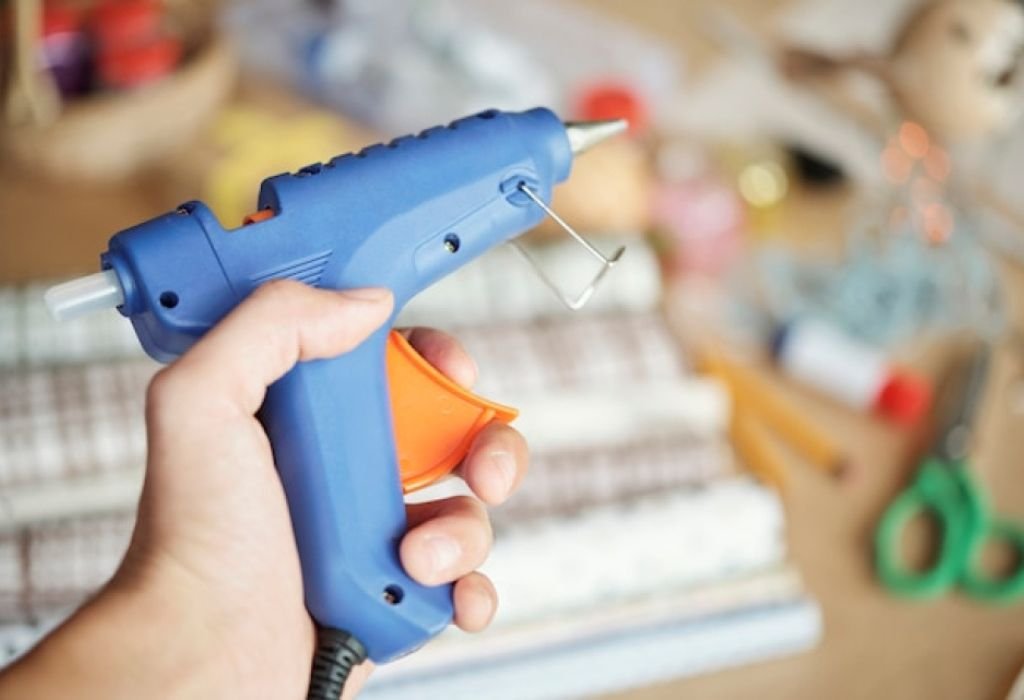
Replacing a damaged power cord is one of the easiest fixes. New cords are inexpensive and restore full function.
Cleaning the nozzle removes hardened glue blockages. A pin or gentle heating can soften glue enough to clear it.
Loose connections can be re-soldered or tightened. Proper electrical contact ensures consistent heating.
If the heating element fails, replacing it may be possible on higher-quality models. For cheap glue guns, replacement is usually smarter than repair.
Can I replace a cord myself?
Yes, if you know basic wiring.
How do I unclog the nozzle?
Use a pin or soft heat.
Can I fix loose connections?
Yes, by re-soldering.
Is the heating element replaceable?
Yes, on quality models.
When to Repair vs Replace a Glue Gun
Repair is worthwhile for high-quality models with replaceable parts. Investing in fixes extends the lifespan of durable tools.
Cheap glue guns often cost less to replace than to repair. Spending time and money on fixes may not be practical.
Compare the cost of parts and labor against the price of a new glue gun. If repair costs exceed half the replacement cost, replacement is usually better.
Professional crafters often keep a backup glue gun to avoid downtime. Replacement ensures projects are not delayed.
Should I fix or replace?
Depends on cost and quality.
Are cheap models worth fixing?
No, replacement is better.
Do expensive models last longer?
Yes, they use stronger parts.
Is repair cost-effective?
Yes, for higher-end models.
Preventing Future Heating Problems
Never leave a glue gun plugged in for hours. Continuous heating strains the element and shortens its life.
Clean the nozzle after each use to prevent clogs. Hardened glue left inside blocks heat and flow.
Store the glue gun in a dry place. Moisture damages wiring and causes corrosion.
Always use the recommended glue sticks for your model. Incorrect sticks may clog or damage the heating system.
Does leaving it on cause damage?
Yes, it stresses the element.
Should I clean the nozzle?
Yes, after each use.
Can moisture cause problems?
Yes, it harms wiring.
Do glue stick types matter?
Yes, always use the right ones.
Expert Tips for Glue Gun Maintenance
Use a stand when the glue gun is hot. This prevents heat damage to work surfaces.
Inspect the power cord regularly for wear or fraying. Early detection prevents bigger problems.
Avoid tugging or twisting the cord while in use. Strain on wires often leads to heating failures.
Schedule occasional deep cleaning of the nozzle and casing. Regular care extends tool life and improves performance.
Do stands help safety?
Yes, they prevent damage.
Should I inspect cords often?
Yes, check for wear.
Can tugging cords damage it?
Yes, it weakens wires.
Is deep cleaning needed?
Yes, for longer life.
Market Trends in Glue Guns and Repairs
Cordless rechargeable glue guns are gaining popularity. They provide mobility and convenience for projects away from outlets.
Eco-friendly hot glue sticks are increasingly common. These alternatives reduce chemical exposure and environmental impact.
DIY repair culture is growing as more people fix tools at home. Repairing glue guns instead of discarding them reduces waste.
Smart glue guns with automatic shut-off features are now available. These tools improve safety and extend heating element lifespan.
Are cordless glue guns popular?
Yes, demand is growing.
Are eco-friendly glue sticks trending?
Yes, they’re widely used.
Do people repair tools more now?
Yes, DIY repair is rising.
Are smart glue guns available?
Yes, with auto shut-off.
Conclusion
The answer to how to fix glue gun not heating begins with basic troubleshooting. Checking outlets, cords, switches, and cleaning nozzles often resolves the issue.
High-quality models may justify replacing cords or heating elements. Cheap glue guns, however, are often better replaced entirely.
Preventive care like cleaning, safe storage, and avoiding overuse ensures a longer tool life. With the right steps, your glue gun can remain reliable for every DIY and crafting project.

I’m Michael R. Turner, the founder, lead writer, and passionate DIY enthusiast behind 101diytools.com. With years of hands-on experience in home improvement and power tools, I built this platform to share practical tips, in-depth guides, and honest reviews to help DIYers of all skill levels tackle projects with confidence and the right tools.