18 Gauge vs 16 Gauge Nail Gun What You Need To Know
Choosing between an 18 gauge and 16 gauge nail gun primarily depends on the balance between nail holding power and the desired finish aesthetics. 18 gauge guns drive thinner nails, perfect for delicate trim, crafts, and detailed work where minimal visible holes are crucial but robust holding isn’t the priority. Conversely, 16 gauge tools provide superior holding strength with thicker nails for more substantial tasks like baseboards, crown molding, and door casings, accepting a slightly larger fastener hole.
18 Gauge vs 16 Gauge Nail Gun What You Need To Know
Hey there, fellow DIY enthusiast! Have you ever stood in the tool aisle, scratching your head, wondering if you need an 18 gauge or 16 gauge nail gun for your next project? You’re not alone. It’s a common dilemma, and understanding the difference is key to getting a professional finish.
Simply put, the main difference between an 18 gauge vs 16 gauge nail gun comes down to nail size and holding power. Think of it like this: the 18 gauge is your delicate artist, perfect for jobs where you want minimal impact and tiny nail holes. The 16 gauge, on the other hand, is a bit more robust, designed for tasks requiring a stronger hold without going overboard into heavy framing territory. Let’s dive deeper!
So, What’s the Real Scoop on 18 Gauge vs 16 Gauge Nail Guns, and Which One Should I Pick?
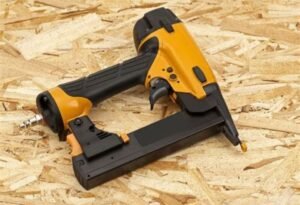
Alright, let’s break it down. When we talk about “gauge” in nail guns, it refers to the thickness of the nail. This might sound counter-intuitive, but a higher gauge number means a thinner nail. So, an 18 gauge nail is thinner than a 16 gauge nail.
The 18 Gauge Nail Gun (Brad Nailer)
This is often called a brad nailer. It shoots thin, 18 gauge nails, often called brad nails, which are typically between 5/8 inch and 2 inches long. Because the nails are so thin, they create tiny holes. This means less wood filler and sanding, which is a huge time-saver.
- Ideal Uses: I swear by my 18 gauge nail gun for delicate tasks. Think about attaching thin trim like quarter round or small baseboards. It’s fantastic for decorative moldings, securing cabinet backs, crafts, and even building picture frames. I once used it to attach delicate battens to a wall for a wainscoting effect, and the small nails ensured no splitting of the thin wood.
- Pros:
- Leaves tiny, almost invisible holes, reducing finish work.
- Less likely to split delicate or thin wood.
- The nails are often cheaper.
- Tools are generally lighter and easier to maneuver.
- Cons:
- Less holding power compared to thicker nails.
- Not suitable for heavy-duty structural applications.
The 16 Gauge Nail Gun (Finish Nailer)
This bad boy is your finish nailer. It drives thicker, 16 gauge nails, typically ranging from 1 inch to 2.5 inches. These nails provide a significantly stronger hold than brad nails. While they leave a slightly larger hole, the increased holding power makes them essential for many projects.
- Ideal Uses: My 16 gauge nail gun gets a workout on heavier trim work. This includes attaching thicker baseboards, door casings, window trim, chair rails, and even some light cabinetry work or paneling. When I installed new, solid wood door frames, the 16 gauge was exactly what I needed to secure them firmly without worrying about movement over time. It provides a reliable, strong bond.
- Pros:
- Offers a much stronger hold, great for heavier pieces.
- Can penetrate denser woods more effectively.
- More robust for securing larger trim elements.
- Cons:
- Leaves slightly larger nail holes, requiring more filling and sanding.
- Can sometimes split very delicate or thin wood if not careful.
- The tool itself might be a bit heavier than an 18 gauge counterpart.
Making Your Choice: 18 Gauge vs 16 Gauge Nail Gun
So, how do you decide between an 18 gauge vs 16 gauge nail gun? It really boils down to your project’s needs:
- If you’re working with delicate materials, need minimal visible holes, and require less holding power, the 18 gauge brad nailer is your friend. Think precision and aesthetics.
- If you need a stronger, more secure hold for heavier trim, door jambs, or denser woods, and don’t mind a slightly larger nail hole (which you’ll fill anyway), the 16 gauge finish nailer is the way to go. Think durability and strength.
Many seasoned DIYers, myself included, eventually find a place for both in their workshop. They truly complement each other, covering a wide range of finishing tasks beautifully.
In the end, choosing between an 18 gauge vs 16 gauge nail gun isn’t about one being “better” than the other. It’s about having the right tool for the specific job at hand. Understanding these differences will not only save you frustration but also help you achieve a truly professional, lasting finish on all your projects. Happy nailing!

I’m Michael R. Turner, the founder, lead writer, and passionate DIY enthusiast behind 101diytools.com. With years of hands-on experience in home improvement and power tools, I built this platform to share practical tips, in-depth guides, and honest reviews to help DIYers of all skill levels tackle projects with confidence and the right tools.