What is a Magnesium Circular Saw Your Guide to Lightweight Power
A magnesium circular saw utilizes a lightweight yet incredibly strong magnesium housing to deliver powerful cutting performance without the heavy bulk of traditional saws. This innovative design significantly reduces user fatigue and enhances maneuverability, making it an ideal choice for extended use and overhead work. Experience unmatched portability and durability with this advanced tool, perfect for professionals and serious DIYers.
Hey there, fellow makers and DIY enthusiasts! Have you ever found yourself midway through a big project, arms aching, shoulders screaming, just wishing your trusty circular saw weighed a little less? You know, that powerful workhorse that gets the job done but sometimes feels like a lead anchor after a few hours of cutting? I’ve certainly been there, wrestling with heavy tools, trying to maintain precision while my muscles protested.
It’s a common dilemma: you need power and durability, but you also crave comfort and maneuverability. For a long time, it felt like a trade-off. But what if I told you there’s a tool designed to give you the best of both worlds? Enter the magnesium circular saw. This isn’t just another buzzword; it’s a real game-changer for anyone who spends significant time making cuts.
In this guide, we’re going to dive deep into what makes a magnesium circular saw so special. We’ll explore the magic behind the material, what features to look for, who stands to benefit most, and why investing in one might just be the smartest decision you make for your workshop. Get ready to discover how lightweight power can truly transform your cutting experience!
Key Takeaways
- Magnesium means lighter weight. Enjoy less fatigue and easier maneuverability.
- Gain superior strength and durability. Magnesium resists impact and heat better.
- Achieve professional-grade performance. Benefit from an excellent power-to-weight ratio.
- Invest in long-term reliability. Magnesium tools withstand demanding job site conditions.
- Expect premium tool pricing. Advanced material contributes to higher manufacturing costs.
- Choose for serious cutting tasks. Ideal for professionals valuing precision and stamina.
📑 Table of Contents
What Makes a Magnesium Circular Saw Special?
At first glance, a magnesium circular saw might look like any other high-performance saw. The real secret, however, lies in its construction material. Magnesium isn’t just lighter; it’s a carefully chosen element that brings a host of advantages to the table, making these saws a standout choice.
The Magnesium Advantage
Think about what you value in a power tool: strength, durability, and a comfortable feel. Magnesium alloys, often used in aerospace and automotive industries, excel in these areas. This metal boasts an incredibly high strength-to-weight ratio. What does that mean for your saw? It means you get a tool that’s robust and tough enough to handle demanding tasks, yet remarkably lighter than saws made from traditional materials like aluminum or steel.
When engineers design a magnesium circular saw, they’re leveraging this material’s inherent properties to create a lighter tool without sacrificing structural integrity. It’s a precise balance, ensuring that the saw can withstand the vibrations and impacts of heavy use, year after year.
Weight Reduction and Ergonomics
Let’s be honest, weight matters. A heavy saw, even if it’s powerful, can lead to fatigue very quickly. This isn’t just about comfort; it directly impacts the quality of your work. Imagine trying to make a long, precise cut across a sheet of plywood when your arms are trembling from the weight of the tool. It’s tough, right?
A magnesium circular saw dramatically reduces this strain. Typically, these saws can be anywhere from 2 to 4 pounds lighter than their aluminum or steel counterparts. This weight reduction translates to less user fatigue, especially during prolonged use or when making overhead cuts. Less fatigue means better control, more precise cuts, and ultimately, a safer and more enjoyable working experience. It allows you to focus on the cut itself, rather than struggling with the tool’s heft.
Durability and Performance
A common misconception is that lighter tools must be less durable. With a magnesium circular saw, that simply isn’t the case. While magnesium is lighter, the alloys used in power tools are specifically engineered for toughness and resilience. They resist corrosion and can withstand the rigors of a busy job site or workshop.
Furthermore, the reduced weight doesn’t compromise performance. These saws typically pack the same powerful motors and cutting capabilities as heavier models. In fact, because they are easier to handle, you might find yourself making more accurate and consistent cuts, which enhances overall project quality. It’s about working smarter, not harder.
Key Features and Components to Look For
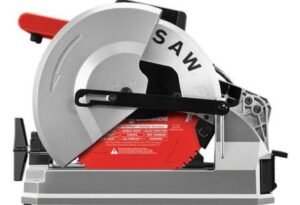
When you’re shopping for any power tool, it’s important to look beyond just the flashy exterior. With a magnesium circular saw, understanding its components helps you make an informed decision and ensures you’re getting a tool that truly meets your needs.
Motor Power and Blade Size
The heart of any circular saw is its motor. For a magnesium circular saw, you’ll typically find powerful motors ranging from 12 to 15 amps, providing ample power for cutting through various materials, from dimensional lumber to plywood and even some composites. Blade size is also crucial, with 7-1/4 inches being the most common and versatile, offering a good balance of cutting depth and maneuverability. Some specialized magnesium saws might come with 6-1/2 inch blades, which are even lighter and great for portability, especially in cordless models.
Base Plate (Shoe) Material
While the main housing of a magnesium circular saw is magnesium, pay attention to the base plate, also known as the shoe. This is the part that slides along your material and needs to be perfectly flat and sturdy for accurate cuts. Many magnesium saws will also feature a magnesium shoe for consistency in weight and durability. However, some might use a high-grade aluminum. Always check for flatness and rigidity, as a bent or flimsy shoe will compromise your precision.
Blade Guard and Safety Features
Safety is paramount! Look for features like an automatic blade guard that retracts smoothly during a cut and springs back to cover the blade when you lift the saw. An electric brake, which stops the blade quickly when you release the trigger, is another fantastic safety feature that also speeds up your workflow. A spindle lock for easy blade changes is also a must-have for convenience and safety.
Ergonomic Design and Handles
Beyond the lightweight frame, the overall ergonomics of a magnesium circular saw greatly enhance its usability. Look for comfortable, rubberized grips that provide a secure hold and reduce vibration. The balance of the saw is also key; a well-balanced tool feels less heavy and is easier to control, even with one hand for quick adjustments. Many magnesium saws are designed with this balance in mind, making them a joy to use for extended periods.
Who Benefits Most from a Magnesium Circular Saw?
While anyone can appreciate a lighter, more comfortable tool, certain users will find the advantages of a magnesium circular saw particularly impactful. Is it the right choice for you? Let’s explore.
Professional Tradespeople
If you’re a carpenter, framer, roofer, or any other professional who uses a circular saw day in and day out, a magnesium model is almost a necessity. The cumulative effect of lifting and guiding a heavy saw thousands of times can lead to significant fatigue, strain, and even repetitive motion injuries. Switching to a magnesium circular saw can drastically reduce this physical toll, allowing you to work longer, more comfortably, and with greater precision throughout your workday.
DIY Enthusiasts with Ambitious Projects
Are you someone who tackles serious home improvement projects, builds furniture, or gets deep into woodworking? If your DIY isn’t just about quick fixes but involves substantial cutting, then a magnesium circular saw is a worthwhile investment. You get professional-grade performance and durability without the back-breaking weight, making those weekend projects much more enjoyable and less tiring.
Anyone Prioritizing Comfort and Precision
Even if you’re not using your saw every single day, if you value comfort and the ability to make consistently accurate cuts, a magnesium circular saw is for you. The reduced fatigue directly translates to better control, which means straighter cuts, better joinery, and a higher quality finish on all your projects. It’s about making your tools work with you, not against you.
Working in Challenging Positions
Think about cutting sheet goods overhead, or making cuts in tight, awkward spaces. These situations are inherently more difficult with a heavy tool. The lighter nature of a magnesium circular saw makes it significantly easier to maneuver in these challenging positions, enhancing both safety and accuracy.
Magnesium vs. Traditional Circular Saws: A Practical Comparison
To truly understand the value of a magnesium circular saw, it helps to see how it stacks up against its more traditional counterparts. Let’s break down the key differences.
Weight and Portability
This is where the magnesium saw truly shines. While a standard circular saw might weigh 10-15 pounds, a comparable magnesium circular saw often comes in at 8-12 pounds. This seemingly small difference makes a huge impact over a day’s work. It means easier transport from the truck to the job site, less effort when reaching for cuts, and overall greater comfort. For professionals constantly moving their tools, this is a massive benefit.
Cost Considerations
It’s true that a magnesium circular saw often comes with a slightly higher price tag than an entry-level aluminum or steel saw. This is due to the specialized material and the engineering required. However, consider it an investment. For the comfort, reduced fatigue, enhanced precision, and long-term durability you gain, many users find the higher initial cost more than justified. It’s like choosing a comfortable, high-performance car over a basic model—you’re paying for a better experience and better results.
Power-to-Weight Ratio
This is where magnesium saws truly excel. They offer the same high-powered motors you expect from professional-grade tools, but in a significantly lighter package. This superior power-to-weight ratio means you’re getting maximum cutting force with minimum physical effort, making demanding tasks feel less arduous and more controllable.
Long-Term Durability
Despite being lighter, magnesium alloys are extremely durable. When properly cared for, a magnesium circular saw can withstand years of heavy use. The material is resistant to bending and cracking under normal operating conditions, and it holds up well against job site abuse. Investing in a quality magnesium saw is often an investment in a tool that will last you for many projects to come.
Here’s a quick overview of how they compare:
| Feature | Traditional Circular Saw (Aluminum/Steel) | Magnesium Circular Saw |
|---|---|---|
| Typical Weight | Heavier (e.g., 10-15 lbs) | Lighter (e.g., 8-12 lbs) |
| Primary Material (Housing) | Aluminum, Steel, High-impact Plastic | Magnesium Alloy |
| User Fatigue | Higher, especially during prolonged or overhead use | Significantly lower, enhanced comfort |
| Cost Range | Generally lower, wider entry-level options | Generally higher, premium investment |
| Portability | Good, but can be cumbersome for frequent movement | Excellent, very easy to transport and handle |
| Precision Potential | Good, but can be hampered by user fatigue | Enhanced by reduced fatigue and better control |
Tips for Choosing and Using Your Magnesium Circular Saw
So, you’re convinced that a magnesium circular saw is the way to go? Fantastic! Here are some practical tips to help you choose the right one and get the most out of your new, lightweight powerhouse.
Consider Your Projects
Before you buy, think about the types of projects you typically tackle. What materials do you cut most often? What kind of depth of cut do you need? This will help you decide on motor power, blade size, and whether specific features like a deeper cut capacity or a beveling base are crucial for your work. A 7-1/4 inch magnesium circular saw is a versatile choice for most tasks.
Corded vs. Cordless
The beauty of magnesium’s lightweight nature is amplified in cordless saws. A cordless magnesium circular saw offers unparalleled freedom of movement, though you’ll need to factor in battery life and the weight of the battery pack. For continuous, heavy-duty work where power outlets are plentiful, a corded magnesium saw will offer consistent power without worrying about recharging. Evaluate your job site or workshop setup to determine which is best for you.
Blade Selection Matters
Even the best magnesium circular saw is only as good as the blade attached to it. Always use the correct blade for the material you’re cutting. A general-purpose blade is fine for many tasks, but specific blades for plywood, fine woodworking, or even metal can dramatically improve cut quality and efficiency. Keep your blades sharp for optimal performance and safety.
Maintenance for Longevity
To ensure your magnesium circular saw lasts for years, a little maintenance goes a long way. Keep the saw clean, especially around the motor vents and blade guard. Regularly check the blade for sharpness and replace it when dull or damaged. Inspect the power cord (if applicable) for fraying, and ensure all adjustments (depth, bevel) move smoothly. Proper storage in a dry place will also protect your investment.
Safety First, Always
No matter how comfortable or easy to use your magnesium circular saw is, safety should always be your top priority. Always wear appropriate personal protective equipment (PPE), including safety glasses, hearing protection, and gloves. Ensure your workpiece is securely clamped, and always follow the manufacturer’s safety guidelines. A lightweight saw can make work feel easier, but it’s still a powerful tool that demands respect.
Conclusion
Choosing the right tools is about empowering yourself to do your best work, more comfortably and efficiently. A magnesium circular saw isn’t just a lighter version of a classic tool; it’s a thoughtful evolution designed to enhance your entire cutting experience. By leveraging the incredible strength-to-weight ratio of magnesium, these saws offer a powerful, durable, and significantly less fatiguing option for both professionals and serious DIYers.
If you’re tired of arm strain, seeking greater precision, or simply want to upgrade your toolkit with a high-performance saw that feels good in your hands, then exploring the world of magnesium circular saws is definitely worth your time. It’s an investment in comfort, efficiency, and the quality of your craft. Go ahead, make those cuts without the extra weight holding you back, and enjoy the true power of lightweight precision!
Frequently Asked Questions
What is a Magnesium Circular Saw?
A magnesium circular saw is a type of power saw where key housing and baseplate components are constructed from magnesium alloy. This design choice primarily aims to significantly reduce the tool’s overall weight without sacrificing strength or durability. It offers users a lightweight yet powerful option for various cutting tasks.
Why Choose a Magnesium Circular Saw Over Other Materials?
Magnesium is an incredibly strong yet lightweight metal, making it an ideal material for tools where maneuverability and reduced user fatigue are crucial. Opting for a magnesium circular saw means you get a saw that’s easier to handle for extended periods, especially during overhead or awkward cuts, compared to heavier aluminum or steel models. This translates to greater comfort and control during operation.
Are Magnesium Circular Saws Durable Enough for Professional Use?
Absolutely. Despite being lightweight, magnesium alloys boast an excellent strength-to-weight ratio, making magnesium circular saws very robust and durable. Manufacturers specifically design these saws to withstand the rigors of professional job sites, ensuring they maintain their performance and integrity over time. They are built to be tough, not fragile.
What are the Key Benefits of a Magnesium Circular Saw for Users?
The primary benefits of a magnesium circular saw include significantly reduced user fatigue, enhanced maneuverability, and easier handling. Its lighter weight allows for longer working sessions, more precise cuts due to better control, and less strain on your arms and back. This makes it an excellent choice for professionals who use their saw all day or DIY enthusiasts seeking a more comfortable experience.
Are There Any Drawbacks to Using a Magnesium Circular Saw?
While the benefits are significant, one potential drawback of a magnesium circular saw can be its initial cost, which is sometimes slightly higher than comparable models made from heavier materials like aluminum. Additionally, some users might initially find the lighter weight requires a slight adjustment period if they are accustomed to much heavier saws. However, these are minor considerations against the advantages of reduced fatigue and improved handling.
How Does the Weight of a Magnesium Circular Saw Impact Performance?
The reduced weight of a magnesium circular saw positively impacts its performance by improving handling and control, leading to cleaner and more accurate cuts. It allows users to maintain better balance and precision, especially when making long or intricate cuts, and minimizes the physical effort required. This enhanced maneuverability can ultimately contribute to higher-quality work and increased productivity on the job.

I’m Michael R. Turner, the founder, lead writer, and passionate DIY enthusiast behind 101diytools.com. With years of hands-on experience in home improvement and power tools, I built this platform to share practical tips, in-depth guides, and honest reviews to help DIYers of all skill levels tackle projects with confidence and the right tools.