
How to Clean a Circular Saw Blade for Smoother, Faster Cuts
Every woodworker eventually faces the same frustrating moment — you start your circular saw, push it into the material, and instead of that satisfying glide, it starts to smoke, struggle, and leave rough, burnt edges on your once-perfect board.
That’s not a dull motor or poor technique — it’s a dirty blade choking on layers of resin, pitch, and sawdust that have built up from hours of hard work.
When these sticky residues collect around the teeth and gullets, the blade loses its bite and begins to drag instead of slice.
This extra friction forces the motor to work harder, creating heat that can warp the blade and scorch the wood’s surface.
A clean blade, on the other hand, feels like cutting through butter — smooth, quiet, and incredibly precise.
Regular cleaning not only restores cutting performance but also extends the lifespan of both your saw and your expensive blades.
In this detailed guide, you’ll learn exactly how to clean your circular saw blade the right way — safely, efficiently, and without damaging the carbide tips.
By the end, you’ll know how to make your old, gummed-up blade cut like brand new again.
Why Cleaning the Blade Matter
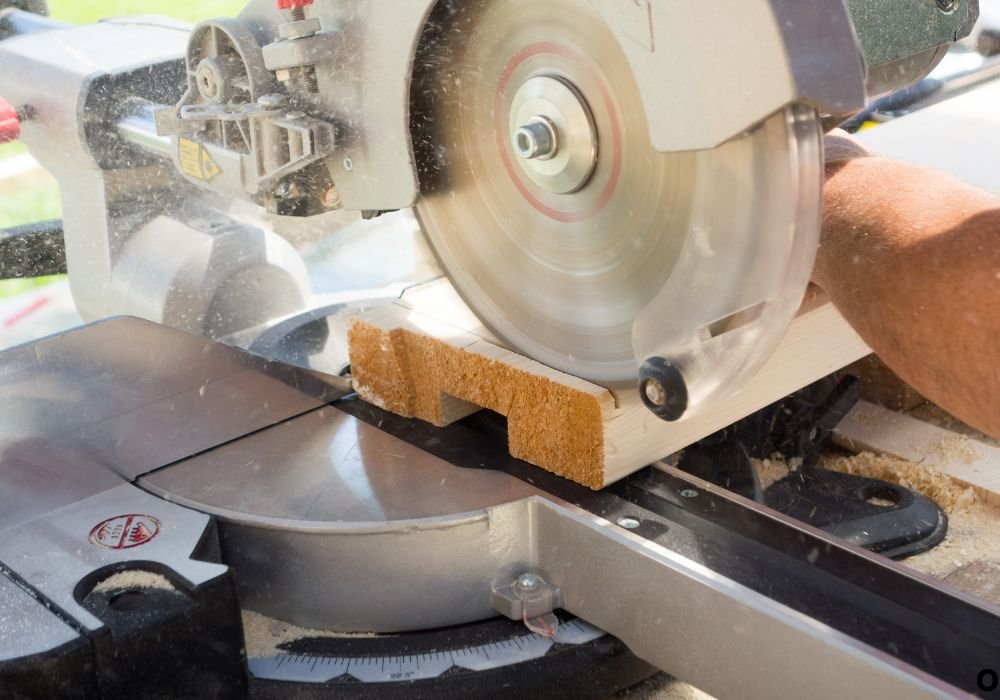
Your circular saw blade is exposed to constant friction, heat, and micro-particles from every cut you make.
Each pass through wood or plywood leaves behind invisible layers of sap and resin that cling stubbornly to the metal surface.
Over time, these sticky residues act like glue, trapping sawdust and hardening into a rough crust that interferes with smooth cutting.
This buildup increases drag, which in turn makes your motor strain harder, leading to vibration, noise, and uneven cuts.
A dirty blade doesn’t just affect the quality of your work — it also wastes energy and shortens the tool’s life.
More effort from the saw means more heat, which can cause the metal to expand and lose alignment during cutting.
Cleaning removes these obstructions and restores the blade’s original sharpness and efficiency.
A few minutes of maintenance can prevent countless headaches and keep your saw operating at peak precision for years.
Signs Your Circular Saw Blade Needs Cleaning
It’s easy to overlook when your blade needs attention, but your saw will often show clear warning signs.
The most obvious clue is when your wood starts showing burn marks or scorch lines along the cut.
You might also notice the saw slowing down even when you apply steady pressure, as if it’s struggling to move through the material.
A high-pitched whining sound or vibration is another indicator that the teeth are coated with hardened resin.
If the saw begins to produce rough, splintered edges or starts smoking during use, it’s definitely time for a deep clean.
Sometimes the blade looks shiny but still hides residue between the gullets, which can reduce cutting accuracy.
A quick inspection under good lighting will reveal dark spots, sticky buildup, or dull patches near the cutting edge.
Cleaning at this stage can instantly restore the speed, sharpness, and finish of your cuts.
Safety Precautions Before Cleaning
Before touching the blade, your first priority should always be safety.
Circular saw blades are extremely sharp, and even a brief slip can cause a serious injury.
Unplug your saw completely or remove the battery if it’s cordless to ensure there’s no chance of accidental startup.
Never attempt to clean a blade while it’s still mounted on the saw or connected to power.
Wear sturdy gloves made from leather or cut-resistant fabric to protect your hands from the razor-like teeth.
Use eye protection as well, especially when brushing or using cleaning solutions that may splash.
Work on a solid, flat surface such as a workbench or table where the blade won’t slide around.
Lay down a towel or piece of cardboard underneath to protect both the table and the blade from scratches.
Taking a few moments to prepare properly prevents accidents and makes the cleaning process smoother, safer, and easier.
Tools and Materials You’ll Need
Cleaning a circular saw blade doesn’t require any special machinery, but the right supplies make the job faster and more effective.
Gather everything before you begin so you can work without interruptions.
Here’s what you’ll need for a professional-grade clean:
- A shallow pan or bucket large enough to hold the blade
- Warm water mixed with mild dish soap or household degreaser
- A nylon or brass-bristle brush (avoid steel brushes)
- A soft sponge or cloth for drying
- WD-40 or light machine oil for rust protection
- Protective gloves and eyewear
If your blade has heavy pitch or sap buildup, consider using a specialized cleaner such as Simple Green or CMT Formula 2050.
Avoid harsh chemicals like oven cleaner or bleach, as they can damage the coating or loosen the carbide tips.
Step 1: Remove the Blade from the Saw
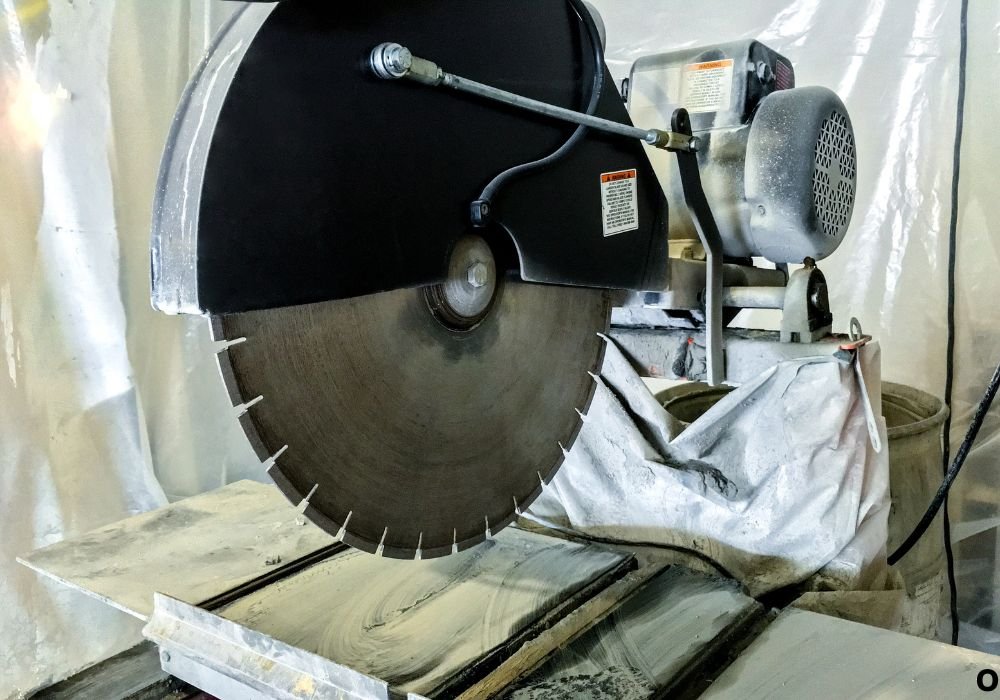
Before cleaning can begin, you need to remove the blade safely from the saw.
This allows you to reach every surface and eliminates any chance of accidental activation.
Unplug the saw or remove its battery completely to cut off all power.
Press the spindle lock button, if available, to keep the blade from rotating while loosening the nut.
Use the appropriate wrench or hex key to turn the arbor nut counterclockwise until it releases.
Gently lift the blade off the spindle and place it flat on a padded surface.
Handle it carefully to avoid bending or dulling the teeth — carbide edges are sharp but also brittle.
Before setting it aside, note the rotation direction printed on the blade so you reinstall it correctly later.
A safe, steady removal is the first step toward an easy and thorough cleaning process.
Step 2: Soak the Blade in a Cleaning Solution
Soaking helps loosen hardened grime so you don’t have to scrub aggressively.
Mix warm water and dish soap or degreaser in your shallow pan and place the blade inside.
Ensure the liquid fully covers the teeth and outer edge of the blade.
Let it sit for about 10 to 15 minutes, allowing the heat and soap to dissolve resin buildup.
If using a commercial cleaner, follow the recommended soaking time on the label — usually less than 20 minutes.
Avoid soaking for too long, especially with coated or painted blades, as the finish may fade.
While soaking, you’ll often see brownish residue lifting from the teeth into the water.
This means the cleaner is working, and soon your blade will be ready for scrubbing.
Step 3: Scrub the Teeth and Gullet Areas
After soaking, it’s time to remove any remaining dirt, sap, or residue.
Use a nylon or brass brush to scrub between the teeth gently but thoroughly.
Focus on the gullets, the small curved spaces between each tooth, where pitch often collects.
Work in circular motions and take your time cleaning each section carefully.
If any spots remain stubborn, dip your brush in the cleaning solution again and continue scrubbing.
Never use a steel wire brush because it can scratch the surface and weaken the blade’s protective coating.
Keep turning the blade as you work your way around until every tooth looks clean and metallic again.
By the end, you’ll see a noticeable difference in shine and sharpness.
Step 4: Rinse and Dry the Blade Completely
Once scrubbing is complete, rinse the blade thoroughly under warm running water.
This removes leftover soap, resin, and grime that could attract new buildup later.
Hold the blade carefully to avoid hitting hard surfaces that could chip the teeth.
Shake off excess water and immediately wipe it dry with a soft, lint-free cloth.
Even small traces of moisture can cause rust spots to appear, especially around the arbor hole.
To be extra safe, blow the blade gently with compressed air or use a hair dryer on a cool setting.
Make sure every edge and crevice is completely dry before proceeding.
A properly dried blade prevents corrosion and stays clean longer.
Step 5: Apply a Light Lubricant or Rust Preventer
Now that your blade is spotless, it’s time to protect it from moisture and oxidation.
A thin coating of lubricant helps keep it in perfect condition between uses.
Spray a light layer of WD-40 or machine oil evenly over both sides of the blade.
Wipe it with a clean cloth so only a thin film remains — enough to prevent rust but not enough to feel greasy.
Avoid using heavy oils or grease that can attract sawdust and dirt during operation.
You can also use a silicone-based dry film spray for a cleaner, long-lasting protective coat.
This simple step not only guards against corrosion but also makes future cleaning much easier.
A protected blade resists buildup and stays sharper for more cuts.
Step 6: Reinstall the Blade on Your Saw
When your blade is fully clean and dry, reinstall it correctly on your circular saw.
Place it on the arbor with the teeth pointing in the same direction as the arrow on the guard.
Hand-tighten the arbor nut first to hold it in place securely.
Then, use your wrench to snug it down firmly, but don’t overtighten — that can warp the blade.
Check that the blade spins freely and that the guard moves smoothly without sticking.
Reconnect your saw to power or reinsert the battery and make a brief test run.
The difference will be immediately noticeable — less noise, cleaner cuts, and effortless slicing through wood.
A clean blade can feel as powerful as buying a brand-new one.
How Often Should You Clean Your Circular Saw Blade
How frequently you clean your blade depends on how often and what materials you cut.
If you frequently work with pine, cedar, or plywood, resin and sap will build up much faster.
For daily users, a weekly cleaning routine keeps performance consistent.
For occasional DIY projects, once every few months or after heavy cutting sessions is enough.
If you notice burning, rough edges, or more resistance during cuts, don’t wait — clean it immediately.
Preventive maintenance saves both your time and your blade’s lifespan.
Regular cleaning is cheaper than sharpening and keeps your tools working like new.
Think of it as the easiest form of blade care that delivers professional-level results.
Tips for Keeping Your Blade Clean Longer
You can significantly reduce buildup by adopting a few smart habits before and after each use.
First, choose a high-quality blade with a non-stick or Teflon-coated surface designed to resist resin.
Before cutting resinous woods, apply a light mist of silicone spray or blade cleaner to the teeth.
This creates a slick barrier that makes future cleaning faster and easier.
Avoid pushing the saw too hard through material — steady pressure keeps friction and heat under control.
More heat equals more pitch buildup, so let the saw’s motor do the work for you.
Store your blades in a dry, clean location and never leave them sitting in damp areas.
Proper storage combined with quick wipe-downs after each project keeps your blades in prime shape.
Common Mistakes to Avoid
Cleaning seems simple, but many people unknowingly damage their blades in the process.
Avoid these mistakes to keep your tools in top condition.
Never use oven cleaner or other harsh chemicals that can dissolve carbide bonding.
They may remove grime, but they’ll also eat away at protective coatings and weaken the blade.
Don’t use a steel brush, sandpaper, or abrasive pads — these leave scratches that collect more dirt later.
Instead, stick with nylon or brass for safe, effective cleaning.
Avoid soaking the blade overnight or for extended periods in water or solvent.
Too much exposure can cause corrosion and loosen teeth adhesive.
Finally, don’t forget to dry completely before reinstalling.
Even a small amount of hidden moisture can cause rust or imbalance during use.
FAQs
How often should I clean my circular saw blade?
If you use your saw daily, clean it once a week. For occasional users, clean it whenever cutting feels slow, rough, or noisy.
What is the best cleaner for saw blades?
Warm water with dish soap works well for most users. For thick resin buildup, use a specialized cleaner like CMT Formula 2050 or Simple Green.
Can I use WD-40 to clean my blade?
WD-40 is ideal for rust prevention after cleaning, not for removing resin. It keeps the surface protected and shiny.
Is vinegar safe for rust removal?
Yes, soak rusty areas in white vinegar for 15–20 minutes, then scrub gently and dry thoroughly to avoid corrosion.
Can I use alcohol or acetone?
Isopropyl alcohol is safe and effective for removing sticky residue. Avoid acetone or solvents that may damage coatings.
Should I sharpen after cleaning?
If your blade cuts smoothly and shows no dullness, cleaning alone is enough. Sharpen only when teeth lose their edge.
Can I use the same method for metal-cutting blades?
Yes, but avoid long soaking times. Clean with a mild degreaser and soft brushing to prevent damage to specialized edges.
How can I prevent buildup between cleanings?
Use blades with non-stick coatings and apply silicone spray before cutting sap-heavy materials. Also, avoid overheating during use.
What happens if I never clean the blade?
Performance will decline sharply — cuts will burn, motors will strain, and the blade will dull much faster.
Do I need to oil my blade after every use?
Not every time, but a light protective film after deep cleaning helps prevent rust and prolongs blade life.
Conclusion
A clean circular saw blade is more than just a sharp tool — it’s the key to accuracy, efficiency, and professional-quality results.
Removing resin, sap, and grime restores not only the blade’s brightness but also its cutting power and longevity.
By following a proper cleaning routine, you ensure that every project runs smoother, with less heat, effort, and wear on your tools.
The process takes only a few minutes yet can dramatically improve your results and extend the life of your equipment.
Always use safe, gentle cleaning methods, avoid harsh chemicals, and finish with proper drying and lubrication.
Once you experience how effortlessly a freshly cleaned blade slices through wood, you’ll never let buildup slow you down again.
Clean blades cut better, last longer, and make your work shine with precision — a simple habit that separates amateurs from true craftsmen.

I’m Michael R. Turner, the founder, lead writer, and passionate DIY enthusiast behind 101diytools.com. With years of hands-on experience in home improvement and power tools, I built this platform to share practical tips, in-depth guides, and honest reviews to help DIYers of all skill levels tackle projects with confidence and the right tools.