How Deep Will a 10-Inch Circular Saw Cut Explained
The smell of fresh-cut wood fills the air as the saw blade hums to life. You line up the mark, lower the saw, and begin cutting into a thick board.
But halfway through, you pause — the blade doesn’t seem deep enough. The cut stops short, leaving you wondering: how deep can a 10-inch circular saw really cut?
Every woodworker, whether beginner or pro, faces this moment at some point. You have the right saw, the right blade, and the right wood, yet the depth feels limited.
The answer lies in understanding how blade size, angle, and design determine the cutting depth. A 10-inch saw isn’t just bigger — it’s built for power and reach.
From framing lumber to slicing beams, this saw can handle tasks that smaller blades can’t touch. But you need to know exactly how much depth you can safely achieve.
In this guide, you’ll learn everything about a 10-inch circular saw’s cutting capacity. You’ll discover depth measurements, techniques, and comparisons with smaller models.
By the end, you’ll know when to use a 10-inch circular saw and how to make the most of its impressive reach.
Let’s explore the power behind those extra inches and how it transforms your cutting performance.
Understanding Circular Saw Blade Sizes
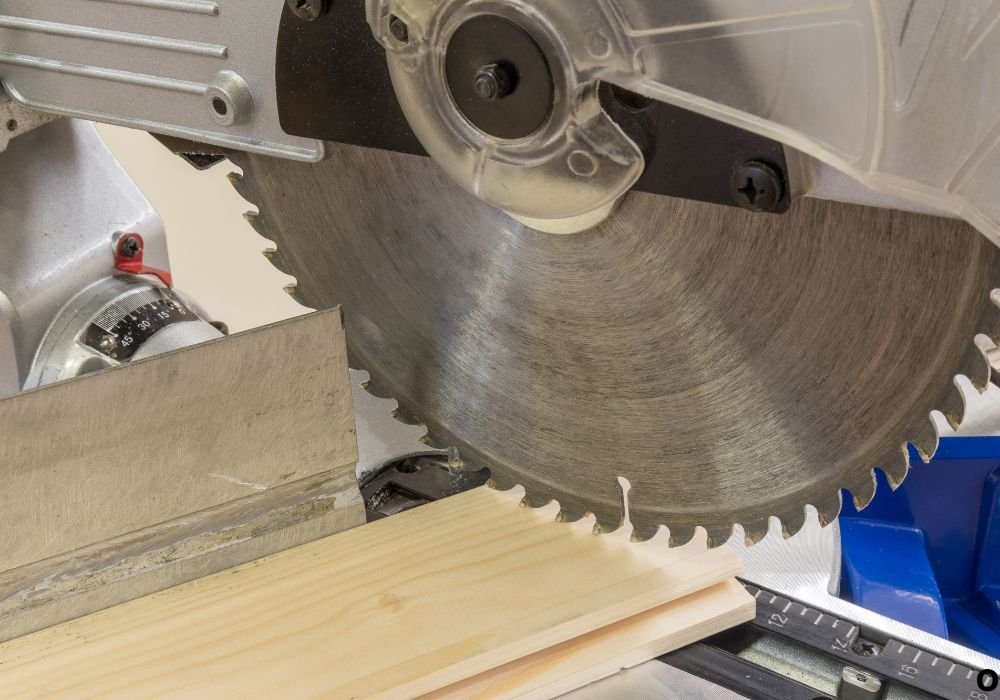
Circular saws come in multiple blade sizes, and each has its purpose. The blade size directly determines how deep it can cut through material.
Common sizes include 6½-inch, 7¼-inch, 8¼-inch, and 10-inch blades. The smaller blades are lighter and easier to control, while larger ones offer more depth and power.
A 7¼-inch circular saw — the most popular size — cuts about 2½ inches deep at 90 degrees. It’s great for plywood, decking, and basic framing work.
The 10-inch blade, on the other hand, reaches nearly 3½ inches deep. That extra inch means it can cut cleanly through thick 4×4 posts in a single pass.
Blade diameter isn’t just about size — it affects torque, speed, and precision. Bigger blades spin slower but have more cutting momentum.
Contractors often use 10-inch blades in heavy-duty saws, including table saws and miter saws. Their design focuses on durability and accuracy for deep cuts.
Choosing the right size depends on your task. If you’re cutting thick timbers, a 10-inch blade saves time and effort.
However, smaller blades are easier to maneuver for quick or overhead cuts. Balancing portability with depth is the key to efficiency.
Understanding these differences helps you choose the perfect tool for every job. The 10-inch saw stands tall for projects demanding strength and precision.
The Cutting Depth of a 10-Inch Circular Saw
A 10-inch circular saw has an impressive cutting depth compared to smaller saws. At a 90-degree angle, it can typically cut around 3½ inches deep.
That’s enough to slice through most 4×4 posts, beams, or hardwood boards in a single pass. When tilted at 45 degrees, the depth reduces to about 2½ inches.
This reduction happens because the blade enters the material at an angle, decreasing its vertical reach. However, the bevel capability makes angled cuts easier.
Cutting depth also varies slightly depending on the saw model and manufacturer. Some saws feature deeper cuts due to extended arbor designs.
For example, a high-end worm-drive 10-inch saw may deliver slightly more reach than a sidewinder design. The difference, though small, can affect efficiency.
Always check your saw’s manual for exact measurements before starting a project. Relying on standard numbers without confirmation may lead to errors.
Also, remember that blade wear affects cutting depth over time. As teeth dull or chip, the effective cutting edge becomes shorter.
When working with hardwood or layered materials, cutting capacity can feel reduced. Adjusting blade depth manually ensures better results.
In summary, expect roughly 3½ inches at 90° and 2½ inches at 45°. These figures make the 10-inch circular saw a powerhouse for deep cuts.
How to Measure Cutting Depth on Your Circular Saw
Measuring cutting depth accurately ensures precision and safety. It also prevents overcutting and blade binding during deep operations.
Start by unplugging the saw or removing the battery for safety. Never adjust depth while the saw is powered.
Place the saw on a flat surface and loosen the depth adjustment lever. Lower the base plate until the blade’s tip just touches the surface.
Now, measure the exposed part of the blade from the base plate to the tip. That distance is your maximum cutting depth at 90 degrees.
To check depth at a 45-degree bevel, tilt the shoe and repeat the process. The measurement will be smaller because of the blade’s new angle.
For even more accuracy, test the cut on scrap wood before working on your actual piece. This confirms how deep the blade really goes in practice.
Keep in mind that saw guards and shoe thickness slightly reduce real-world depth. Manufacturers often round up their numbers for simplicity.
Adjust the blade so it extends about ¼ inch below your material thickness. That’s the sweet spot for clean cuts and minimal friction.
Avoid setting the blade too deep — it creates more resistance and risks kickback. A proper setup gives both control and power.
Precise measurement helps you cut confidently, knowing your saw’s true capability.
Materials a 10-Inch Circular Saw Can Cut
The 10-inch saw is built for strength and versatility. It can handle a wide variety of materials with the right blade type.
For wood projects, it easily slices through thick 4×4, 6×2, and laminated beams. Contractors rely on it for structural framing and deck building.
With a fine-tooth carbide blade, it can also cut hardwoods like oak, maple, and walnut. The depth allows single-pass cuts even through thick planks.
When fitted with a plywood blade, it makes clean cuts through sheet goods without splintering. Builders use it for cabinetry, furniture, and flooring panels.
For metal cutting, a specialized abrasive or carbide-tipped metal blade works best. It can cut aluminum or thin steel with controlled speed.
Attach a diamond blade, and you can use it for masonry or concrete. This makes it handy for tile, paver, and stone projects.
Its cutting power depends heavily on the motor’s torque and RPM. Stronger motors maintain speed even through dense materials.
Always match the blade to the material to ensure clean, efficient cuts. Using the wrong type leads to heat, dullness, and poor performance.
From carpentry to construction, the 10-inch circular saw is a multipurpose tool. Its depth and adaptability make it invaluable in any workshop.
Comparing 10-Inch to Other Saw Sizes

Understanding size differences helps you choose the right saw for your job. Each blade size offers a trade-off between power, depth, and handling.
A 6½-inch circular saw cuts about 2¼ inches deep at 90°, suitable for light-duty work. It’s compact but limited in reach.
A 7¼-inch saw, the standard size, handles up to 2½ inches deep. It’s the go-to for most general carpentry tasks.
The 8¼-inch version cuts around 2¾ inches deep, bridging the gap between portability and strength.
Then comes the 10-inch saw, cutting up to 3½ inches deep — a full inch more than smaller blades. That difference is critical for thicker materials.
While larger blades increase depth, they also make the tool heavier. Balancing saw size with workload is essential.
For cutting 4×4 posts, only the 10-inch or higher can make it through in one pass. Smaller saws require flipping the workpiece.
Larger saws also maintain better stability during long rip cuts. The added weight reduces vibration and improves precision.
However, they require more control and experience to operate safely.
When power, depth, and durability matter most, the 10-inch blade stands out as the professional’s choice.
Adjusting Depth Settings for Different Cuts
Adjusting depth properly affects both safety and quality. The correct blade exposure ensures clean edges and controlled movement.
Most circular saws have a depth adjustment lever near the back of the housing. Loosen it to move the base plate up or down.
For thin materials, set the blade to extend just ¼ inch below the bottom surface. This keeps the cut smooth and safe.
Deeper settings increase resistance and cause rough edges. Too shallow, and the blade may skip or stall.
Before starting, test your depth on a scrap piece to confirm accuracy. Minor tweaks can make a big difference in performance.
For bevel cuts, tilt the base plate to your desired angle, typically 45 degrees. Remember that this reduces depth capacity automatically.
Keep both hands on the saw when cutting deeper materials. Increased torque requires more control to prevent drift.
After setting the depth, ensure the base plate locks firmly in place. A loose base can slip mid-cut, leading to danger.
Mastering this adjustment technique keeps your cuts precise, smooth, and professional-looking.
Safety Tips When Cutting at Full Depth
Cutting at maximum depth demands extra caution. The deeper the blade goes, the greater the risk of binding or kickback.
Always wear safety goggles, gloves, and ear protection. The blade throws debris and makes loud noise during heavy cuts.
Check that your workpiece is fully supported before cutting. Unsupported edges can pinch the blade and cause it to jam.
Start every cut slowly to let the blade reach full speed. Sudden starts may cause jumping or uncontrolled movement.
Use both hands on the saw handle and maintain a firm stance. This improves balance and control throughout the cut.
Avoid forcing the saw; let the blade do the work at its own pace. Pushing too hard can cause overheating and chipping.
Never adjust depth or bevel angles while the saw is running. Stop and unplug before making any changes.
Watch for blade binding, which occurs when the kerf closes behind the blade. Use wedges to keep the cut open if needed.
Always stand to the side of the cut line to avoid kickback paths.
Safety discipline ensures your 10-inch saw delivers both power and peace of mind.
Tips for Cleaner, Deeper Cuts
Sharp blades are the secret to cleaner results. Dull teeth tear fibers instead of slicing them smoothly.
Clean your blade regularly to remove pitch buildup and resin. A dirty blade causes friction and burns the wood.
Use the right tooth count for your project — fewer teeth for rough cuts, more for fine finishes.
Set the depth slightly deeper than your material, but never more than ¼ inch extra. Precision keeps edges neat and accurate.
When cutting hardwood or thick beams, go slowly and maintain constant feed pressure. Rushing increases vibration.
If cutting both faces matters, use masking tape or score lines first to avoid splinters.
Keep your saw aligned using a guide rail or straightedge for long cuts. Freehand movement often wanders.
Check for blade wobble or play before starting. Even small vibrations can ruin accuracy.
Use lubricant spray or wax on the shoe for smoother gliding across the board.
Consistency and care create professional results every single time.
Common Mistakes When Cutting Thick Lumber
One of the most frequent mistakes is using too much force. Heavy pressure slows the motor and causes rough cuts.
Many beginners also set the blade too deep. This increases friction, shortens blade life, and risks kickback.
Using the wrong tooth count blade for the job leads to splintering. Match blade type to the wood’s hardness.
Skipping clamps is another big error. Movement during cutting ruins alignment and creates jagged edges.
Failing to support both ends of the workpiece leads to binding. Always use sawhorses or a solid bench.
Cutting with a dull blade creates smoke, burns, and poor precision. Always sharpen or replace when dull.
Neglecting blade cleaning causes buildup that affects balance. Clean blades last longer and cut smoother.
Another common mistake is ignoring the saw’s weight and torque. Adjust your grip to counter heavier models.
Finally, many users forget to wear proper protective gear. It only takes one mishap to cause injury.
Avoiding these mistakes guarantees clean, controlled cuts even in the thickest wood.
When to Use a Table Saw Instead
A 10-inch circular saw handles most deep cuts easily. However, there are times when a table saw or larger tool is better.
If your project requires exact repeat cuts or perfect bevels, a table saw offers more precision.
For materials thicker than 3½ inches, even the best circular saw may struggle. Table saws or band saws handle such jobs better.
Table saws provide a stable platform with adjustable fences. This ensures straighter cuts and better edge consistency.
They’re also safer for repetitive deep cuts since the material moves, not the saw.
When working indoors on cabinetry, a table saw’s dust collection and accuracy shine.
However, if portability and flexibility matter, stick to your circular saw. It’s ideal for job sites and outdoor framing.
Each tool has its strength — knowing when to switch saves time and frustration.
Circular saws are the kings of mobility; table saws rule precision.
Choosing the right one depends on your project’s depth and accuracy demands.
Pro Tips for Maximizing a 10-Inch Saw’s Performance
Always keep your blade sharp and clean for consistent cutting depth. A dull blade limits reach and burns material.
Use a steady, balanced feed rate to maintain control over long cuts. Rushing causes uneven edges and extra wear.
Check motor power before deep cuts — strong torque prevents stalling in dense materials.
Use guide rails or cutting sleds for accurate long rips. This improves straightness and reduces chip-out.
Lubricate the saw shoe for smoother movement across surfaces. Friction-free motion keeps cuts precise.
Keep both hands firm but relaxed to reduce fatigue during longer work sessions.
Mark your lines clearly and recheck angles before every pass. Small errors multiply with deeper cuts.
Store blades in dry, clean conditions to prevent rust. Corrosion shortens blade life and sharpness.
Perform routine maintenance on motor brushes and guards. Well-kept tools last longer and cut better.
A well-tuned saw performs cleaner, safer, and faster on every project.
Frequently Asked Questions
How deep will a 10-inch circular saw cut at 90 degrees?
Most 10-inch saws cut up to about 3½ inches deep at a 90-degree angle.
What about at a 45-degree bevel?
At 45°, the depth decreases to around 2½ inches due to the angled entry.
Can a 10-inch saw cut through a 4×4 post in one pass?
Yes, it can cut cleanly through a 4×4 in a single pass without flipping.
Is a 10-inch saw suitable for framing work?
Absolutely. It’s ideal for heavy framing, beams, and deep rip cuts.
Does blade sharpness affect cutting depth?
Yes, dull blades cut shallower and create resistance during deep cuts.
Can I use a 10-inch circular saw for metal?
Yes, with the correct metal-cutting blade, but ensure slow, steady feeding.
Why does my saw feel weaker during deep cuts?
It may be due to a dirty blade, dull teeth, or an underpowered motor.
Do all 10-inch saws have the same cutting depth?
No, it varies slightly depending on design, guard size, and motor housing.
Can I cut concrete with a 10-inch saw?
Yes, using a diamond blade designed for masonry or concrete.
How can I get cleaner deep cuts?
Use sharp blades, guide rails, proper support, and steady feed speed.
Conclusion
A 10-inch circular saw offers an impressive balance between depth, power, and precision. With about 3½ inches of cutting depth, it handles heavy lumber and framing projects easily.
Understanding how to measure, adjust, and optimize your saw ensures clean, accurate results every time. Each adjustment — from blade angle to speed — shapes your outcome.
Proper setup, safety, and patience turn a simple cut into professional craftsmanship. The 10-inch blade gives you freedom to cut thicker materials without multiple passes.
Whether you’re framing, decking, or building beams, this saw can handle it all. Just remember that depth comes with responsibility — control, technique, and sharpness matter.
Use the tips from this guide to get the most from your circular saw. You’ll soon notice smoother edges, straighter lines, and faster progress.
With practice, your 10-inch circular saw will feel like an extension of your skill — precise, strong, and ready for any challenge.
Your woodworking will improve, and every deep cut will be cleaner, sharper, and more satisfying.

I’m Michael R. Turner, the founder, lead writer, and passionate DIY enthusiast behind 101diytools.com. With years of hands-on experience in home improvement and power tools, I built this platform to share practical tips, in-depth guides, and honest reviews to help DIYers of all skill levels tackle projects with confidence and the right tools.