What Is the Best Circular Saw for Your DIY Projects
You finally decide to build that wooden patio you’ve been dreaming about. The boards are ready, the measurements are marked, but your old saw struggles to make a clean cut. Smoke rises, the blade slows, and your straight line turns uneven. That’s when you realize your project deserves the right tool.
Circular saws are among the most important tools in any workshop. They can slice through wood, metal, or concrete with precision and speed when used correctly. Whether you are building furniture, trimming plywood, or working on home renovation, a good circular saw saves both time and effort.
According to market studies, more than 70% of DIY enthusiasts rank the circular saw as the most used cutting tool in their projects. Choosing the right one means understanding its features, power, and blade types.
In this article, you’ll learn what makes a circular saw great, how to pick one that suits your needs, and the top models that stand out in 2025. Let’s uncover what truly defines the best circular saw for your DIY success.
Understanding the Purpose of a Circular Saw
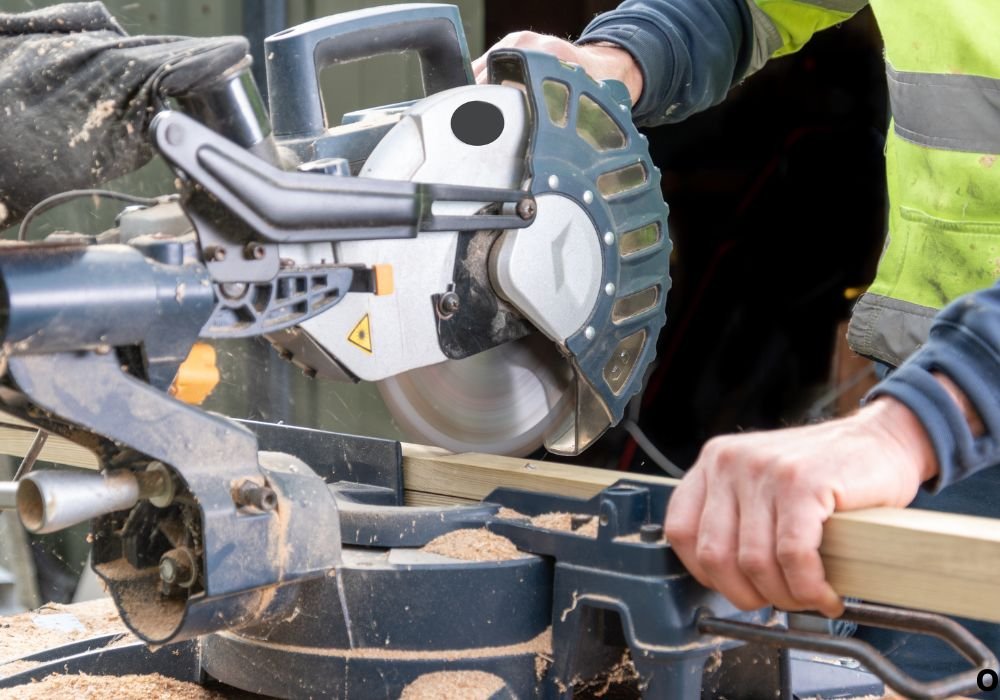
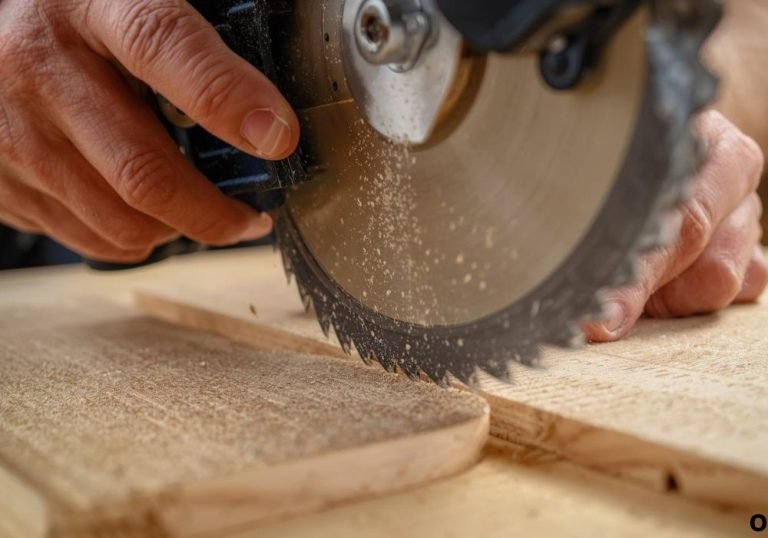
A circular saw is a handheld power tool equipped with a toothed, rotating blade that cuts various materials through a spinning motion. It’s versatile, reliable, and available in corded and cordless versions.
The best circular saw is the one that matches your cutting purpose. If you work with hardwood or dense lumber, a more powerful motor ensures smooth performance. For lighter home projects, a smaller, lighter saw is easier to control.
Most professionals use a 7¼-inch circular saw because it offers the perfect balance between cutting depth and portability. This size can cut through a 2-inch thick board in a single pass.
Cordless saws are now nearly as powerful as corded ones. Their lithium-ion batteries allow mobility without compromising cutting speed. Still, corded versions remain popular for long continuous work where constant power matters.
Choosing between the two depends on your workflow, environment, and how often you cut. The right decision saves effort and keeps your projects efficient.
Key Features That Make the Best Circular Saw
The best circular saws combine power, precision, safety, and comfort. Each element plays a role in achieving clean, professional results.
Start with motor power. Corded saws usually offer 15-amp motors, while cordless versions use 18-volt or 20-volt batteries. A stronger motor handles denser materials without bogging down.
Next, consider the blade size and cutting depth. A 7¼-inch blade can cut 2½ inches deep, suitable for most framing, decking, or furniture projects. Larger blades are needed only for thicker materials.
Look at bevel capacity. This feature lets you tilt the saw to make angled cuts for joints or trims. Most models offer up to 56 degrees of bevel adjustment, giving flexibility for creative cuts.
Another important factor is ergonomics. A well-balanced design reduces fatigue during long sessions. Rubber grips, clear line of sight, and easy depth adjustments make a big difference.
Lastly, safety features such as electric brakes, blade guards, and dust ports keep your workspace cleaner and protect you from kickback accidents.
When all these elements come together, you have a circular saw that performs efficiently and lasts for years.
Corded vs Cordless: Which One Is Best for You
Corded saws are known for consistent power delivery. They don’t rely on battery charge, making them ideal for workshop or jobsite use.
Cordless saws, on the other hand, offer unmatched freedom. You can carry them anywhere and cut materials outdoors without hunting for an outlet. Modern brushless motors make them almost as strong as corded versions.
If you work on large projects for extended periods, a corded model saves you from worrying about downtime. The constant power ensures smooth cutting without pauses.
For smaller projects, repairs, or portability needs, cordless saws are unbeatable. You can climb a ladder or move around tight corners easily.
Battery life and charge speed are improving rapidly. Many 18V or 20V batteries now last long enough for full-day work.
Your best choice depends on where and how often you use the tool. For stationary setups, corded s still king. For mobility and comfort, cordless is the modern favorite.
Best Circular Saw Models in 2025
Several brands dominate the market for their innovation and reliability. Let’s explore the top circular saws that stand out this year.
1. Makita XSH06PT 36V Brushless Circular Saw
Makita’s dual-battery system delivers remarkable torque and runtime. It cuts through thick lumber effortlessly and includes advanced electronic control for precision.
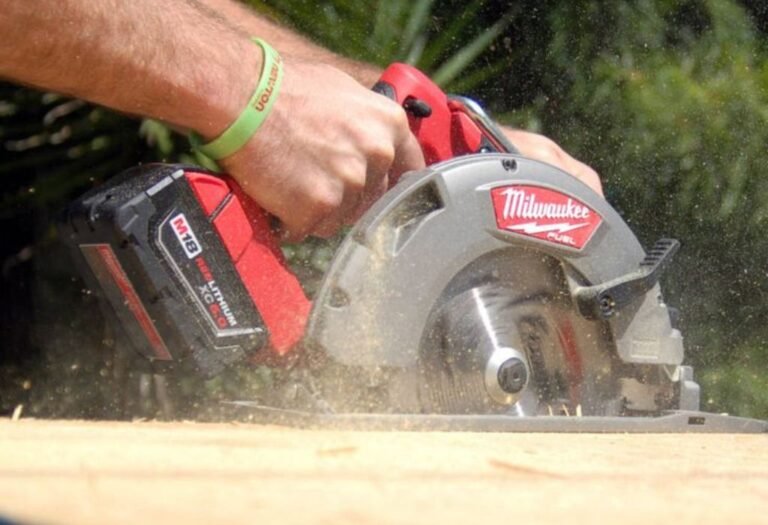
2. Milwaukee M18 Fuel 2732-20 Circular Saw
Known for raw power, this model features a magnesium shoe and excellent visibility. It’s one of the best cordless saws for professionals who demand consistency.
3. DeWalt DWE575SB Lightweight Circular Saw
This corded model is compact yet powerful, with a 15-amp motor and electronic brake. It’s great for general construction and DIY use alike.
4. Skil 5280-01 15-Amp 7¼″ Circular Saw
A perfect choice for beginners. It’s affordable, reliable, and easy to handle. The laser guide ensures straight cuts, making it ideal for home projects.
5. Makita 5007 Magnesium Circular Saw
Built for durability, this saw combines strength and lightness. Professionals appreciate its smooth operation and long lifespan.
These saws represent the best blend of innovation, safety, and user comfort available today.
How to Choose the Best Circular Saw for Your Needs

Start by identifying the materials you cut most often. Woodworking projects need different blades and power levels than metal or masonry work.
Set a budget that balances features and durability. A mid-range saw from a reputable brand often provides the best value.
Always hold the saw before buying if possible. Comfort, weight, and grip placement affect control. A heavy saw may deliver more power but can tire your arms quickly.
Check for easy blade changes, bevel adjustment levers, and a clear line of sight. These small design details make daily use much smoother.
Finally, consider future compatibility. If you already use a brand’s battery system, sticking to the same brand saves money and ensures flexibility.
By focusing on these aspects, you’ll find a saw that fits your exact purpose without overspending.
Essential Safety Tips for Circular Saw Users
Circular saws are powerful, but misuse can lead to serious injury. Always wear safety goggles, gloves, and ear protection before operating.
Secure the material firmly to prevent movement. A shifting board can cause kickback or blade jams.
Keep both hands on the saw at all times and let the blade reach full speed before cutting. Never start or stop mid-cut.
Avoid loose clothing or jewelry that might get caught in moving parts.
Ensure the blade guard moves freely and returns automatically after cuts. Never remove it for convenience.
When finished, unplug or remove the battery before changing blades or cleaning.
Following these rules guarantees safe operation and helps extend your tool’s lifespan.
Maintaining and Cleaning Your Circular Saw
Proper maintenance keeps your saw sharp and efficient. Start by cleaning dust and debris after every use.
Use compressed air or a soft brush to clear vents and motor housing. Excess dust buildup can overheat components.
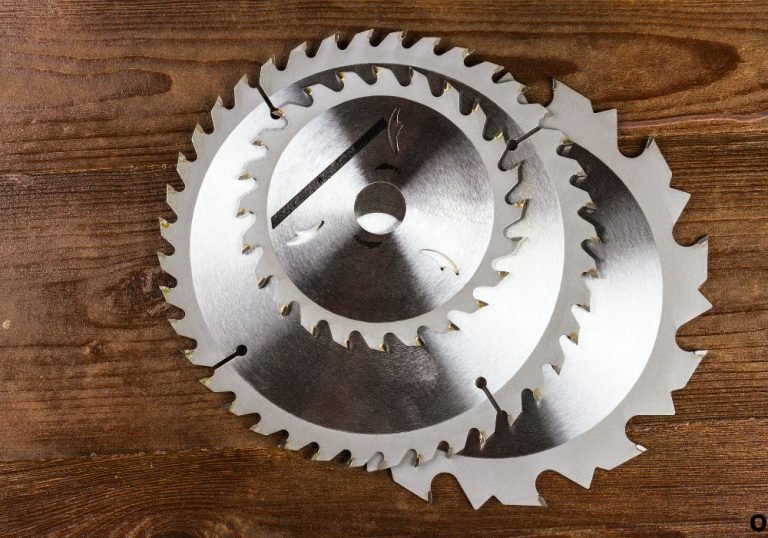
Check the blade for dullness or chipping. A worn blade burns wood instead of cutting it cleanly. Replace blades when necessary.
Inspect the cord or battery connection regularly to avoid power issues.
Lubricate moving parts and store the tool in a dry, covered place to prevent rust.
Routine care ensures your circular saw stays reliable and performs like new for years.
Frequently Asked Questions
What size circular saw is best for most projects?
A 7¼-inch blade is the most common size, suitable for almost all woodworking and framing jobs.
Is a cordless circular saw as powerful as a corded one?
Modern cordless saws with brushless motors and high-capacity batteries perform nearly as well as corded models.
What kind of blade should I use?
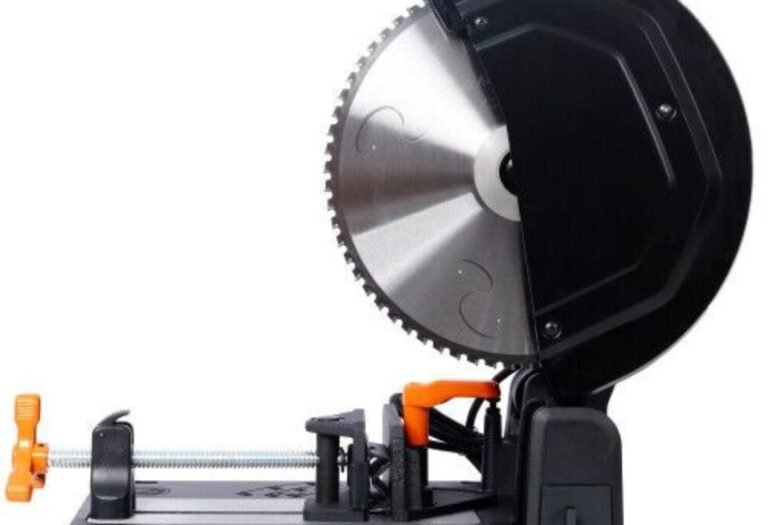
Use carbide-tipped blades for wood, diamond blades for concrete, and specialized metal blades for steel.
How do I avoid kickback while cutting?
Hold the saw firmly, maintain consistent speed, and let the blade do the cutting without forcing it.
Can I use a circular saw to cut metal or concrete?
Yes, but only with the proper blade and safety gear designed for those materials.
How often should I replace my blade?
Replace it when you notice slower cutting speed, burning, or rough edges on your cuts.
Do I need special maintenance for cordless saws?
Keep the batteries charged and clean the contacts regularly to ensure stable power delivery.
Conclusion
The best circular saw is not just the most expensive one but the one that fits your skill level, cutting materials, and comfort.
If you’re a homeowner or DIY enthusiast, models like the Skil 5280-01 or DeWalt DWE575SB offer excellent value. Professionals who need unmatched performance can rely on Makita or Milwaukee’s high-end tools.
When you combine power, precision, and safety, your circular saw becomes an investment in efficiency and craftsmanship. Choose wisely, maintain it regularly, and every cut will be clean, fast, and satisfying.

I’m Michael R. Turner, the founder, lead writer, and passionate DIY enthusiast behind 101diytools.com. With years of hands-on experience in home improvement and power tools, I built this platform to share practical tips, in-depth guides, and honest reviews to help DIYers of all skill levels tackle projects with confidence and the right tools.