How Deep Can a Circular Saw Cut Through Wood
You pick up a circular saw, ready to cut a thick piece of wood for your latest DIY project. The sound of the motor hums with power, but as the blade sinks into the board, it stops halfway through. You lift the saw and realize it didn’t cut as deep as expected. This is a moment many woodworkers experience when they first start using a circular saw. The question suddenly arises — how deep can a circular saw really cut?
Every saw has its limits, and knowing those limits saves time, money, and frustration. Some models slice through thick beams effortlessly, while others struggle with anything beyond a single plank. The depth of cut depends on several factors: blade size, saw type, material, and even the angle of your cut.
According to woodworking reports, over 70% of beginners use improper depth settings, leading to rough cuts or motor strain. Understanding cutting depth helps you make smoother, safer cuts while extending the life of your tool.
In this guide, we’ll explore how deep a circular saw can cut, how blade size affects depth, what factors influence performance, and how to adjust your saw for perfect results every time.
Understanding Circular Saw Cutting Depth
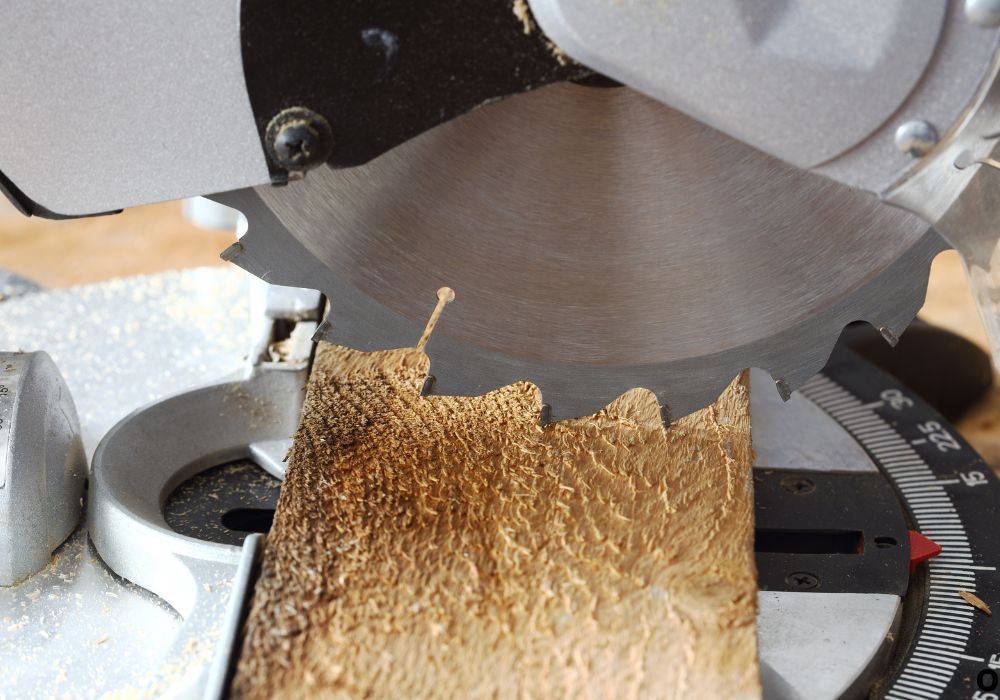
Cutting depth refers to how far a circular saw blade can penetrate into the material during a single pass. It’s usually measured at a 90-degree angle, which is the standard position for most straight cuts.
When you tilt the saw to make bevel cuts, the maximum depth decreases because the blade angle changes. The more you tilt, the less material the blade can reach in one go.
Most circular saws include a depth adjustment lever that allows you to control how much of the blade extends below the base plate. Setting it correctly improves both safety and cutting efficiency.
The ideal depth setting should expose only about one-fourth inch of the blade below the material. This keeps the saw stable and reduces kickback.
Cutting too deep forces the motor to work harder, increasing wear on the blade and risking an uneven finish. On the other hand, cutting too shallow may leave parts of the material uncut, requiring multiple passes.
The cutting depth also varies between corded and cordless saws because of power differences. Corded models maintain consistent torque, while cordless versions may slightly reduce depth as the battery drains.
Circular saw manufacturers often list maximum cutting depth on their specifications. This number helps you understand what material thickness the saw can handle in a single pass.
Knowing your tool’s limits ensures better planning before starting any project. Whether it’s trimming plywood or cutting 2×4 lumber, the correct understanding of cutting depth defines how efficiently you’ll work.
Blade Sizes and Their Cutting Capacities
The size of the blade directly determines how deep a circular saw can cut. Each blade diameter has a specific range of cutting depth that dictates what materials you can work with.
A small 4½-inch saw typically cuts up to 1⅝ inches deep at 90 degrees. It’s perfect for thin plywood, laminate, or small trim work. Lightweight and compact, it offers precision for minor household tasks.
A 5½-inch saw increases the depth to around 1¾ inches, giving slightly more versatility for thicker wood and light carpentry projects. These models often appeal to homeowners who need occasional performance without extra weight.
The most common blade size is 7¼ inches, found in most standard circular saws. It cuts approximately 2½ inches deep at 90 degrees and about 1⅞ inches at a 45-degree bevel. This size handles everything from 2x4s to dense hardwoods with ease.
Worm drive saws often feature larger blades up to 8¼ inches, offering a maximum cut of nearly 3 inches. These saws are built for professional framing, deck building, and structural work.
Some heavy-duty circular saws even use 10¼-inch blades, capable of cutting up to 3¾ inches deep — enough to slice through a 4×4 post in one pass. These models are usually reserved for professional contractors handling large-scale projects.
Compact saws are lighter and easier to control but sacrifice depth. In contrast, larger saws handle deep cuts but require stronger grip and stability.
When choosing a blade size, match it to your most common cutting tasks. Bigger isn’t always better if precision or comfort matters more than maximum depth.
Understanding how each blade size performs ensures you pick the perfect balance between portability and power for your projects.
Factors That Affect How Deep a Circular Saw Can Cut
Several details influence how deep your circular saw cuts beyond just blade size. One key factor is saw design. Sidewinder saws, with motors mounted beside the blade, are lighter but have slightly shallower cuts compared to worm drive saws.
Worm drive models, known for higher torque and power, provide deeper cuts and maintain performance even on dense materials. However, their heavier build can be tiring during long sessions.
Blade sharpness plays another critical role. A dull blade doesn’t bite through wood effectively, reducing depth and leaving burn marks. Regularly sharpening or replacing blades maintains cutting accuracy.
Material density also affects performance. Softwoods like pine cut easily, while hardwoods such as oak require more torque, which can slightly limit how deep the blade can go without overheating.
Cutting angle matters too. A straight 90-degree cut gives maximum depth, while a 45-degree bevel cut can reduce depth by up to 25%. Adjusting the bevel angle changes the effective blade exposure.
Feed rate, or how fast you push the saw through material, impacts depth consistency. Forcing the saw too quickly can cause binding or shallow cuts, while a slow, steady motion ensures full penetration.
Motor power defines how easily a saw maintains its cutting depth. Saws with 15-amp motors sustain deep cuts longer than lower-powered versions.
Blade type can alter depth slightly depending on thickness. Thin-kerf blades remove less material, allowing for smoother, slightly deeper cuts.
Each of these factors works together to define the true cutting capability of your saw. Understanding them helps you achieve precise, clean results every time you work.
How to Adjust Cutting Depth Safely
Setting the correct depth is crucial for both safety and performance. Always unplug your saw or remove the battery before making any adjustments.
Place the saw on a stable surface and release the depth adjustment lever located near the rear of the base plate. Slide the base up or down until the blade extends about a quarter inch below the material’s bottom.
This ensures efficient cutting without exposing unnecessary blade surface. Once you’ve set the depth, lock the lever firmly before turning the saw back on.
Always test your adjustment on a scrap piece of wood before cutting the main workpiece. This confirms the blade depth and angle accuracy.
When working with thick materials, consider making two passes instead of forcing one deep cut. This prevents motor strain and minimizes burning.
Avoid setting the blade too deep, as it increases kickback risk and wastes energy. A properly adjusted saw feels smooth and steady during operation.
If your saw includes a depth scale, use it to ensure consistent results across multiple cuts. Accurate depth control improves both precision and safety on every project.
Mastering this simple adjustment step turns a basic circular saw into a versatile, efficient cutting machine for all your woodworking needs.
Cutting Depth on Different Materials
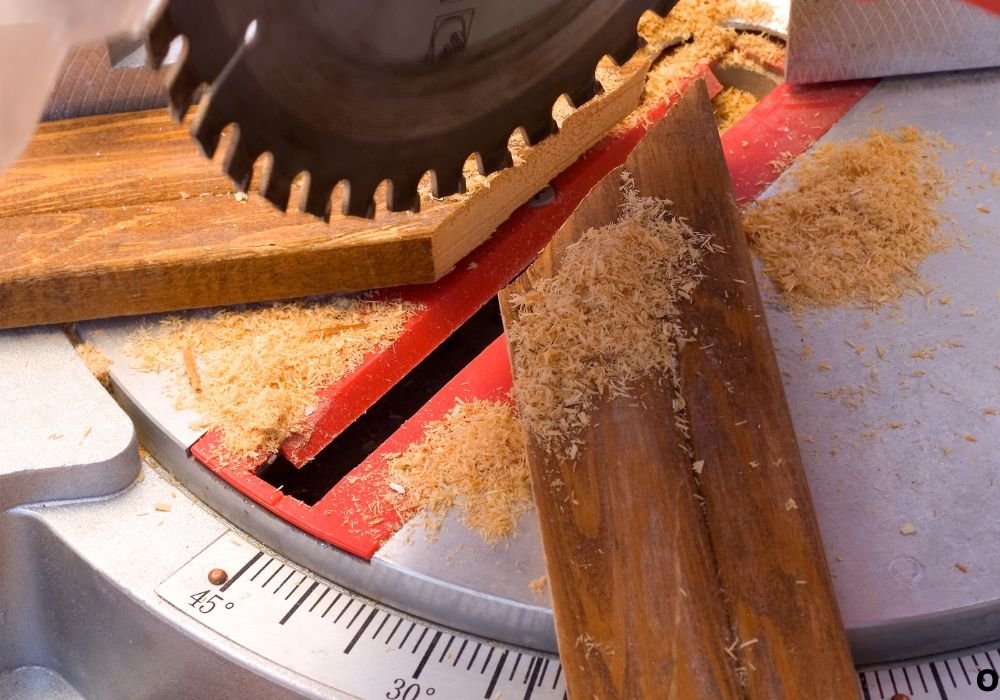
Not all materials cut the same way. Softwoods such as pine or cedar allow the blade to reach maximum depth easily. These woods require less power and produce smoother results even at higher depths.
Hardwoods like oak, maple, and walnut are denser and tougher. They reduce effective cutting depth slightly because the saw must work harder to maintain torque. In these cases, slower feed rates and sharp blades are essential.
Plywood behaves differently due to its layered structure. The alternating grain direction can cause tear-out if the depth isn’t set correctly. Adjusting to just slightly below full depth helps minimize splintering.
MDF and particle board are softer but contain adhesives that dull blades quickly. Maintaining proper blade sharpness ensures cleaner cuts even when operating at deeper settings.
Cutting metal requires specialized blades designed for slower speeds and less depth. The typical circular saw depth setting doesn’t apply here because safety depends on the blade’s rating and the saw’s torque limit.
Plastic materials like PVC or acrylic cut easily but melt if the blade moves too slowly. For these, shallow passes prevent friction heat buildup and maintain clean edges.
Moisture content also influences cutting depth. Damp or pressure-treated wood can resist deep cuts, causing the blade to drag. Dry, seasoned lumber allows the saw to reach full capacity smoothly.
Understanding how different materials react helps you adjust expectations and settings before cutting, ensuring consistent and professional results every time.
When One Pass Isn’t Enough
Sometimes, your saw simply can’t complete a deep cut in one go. This happens when the material exceeds your saw’s maximum depth or when precision matters more than speed.
In such cases, using multiple passes produces cleaner and safer results. Start with a shallow groove to guide the blade, then increase depth gradually with each pass.
This technique reduces strain on both the motor and the blade. It also minimizes the risk of kickback, especially in hardwood or dense materials.
When cutting thick beams or posts, mark both sides and cut halfway through from each side. This ensures full penetration without forcing the saw beyond its limit.
Attempting to complete an oversized cut in one pass often leads to overheating or blade binding. Taking your time improves control and accuracy.
Always maintain alignment between passes by keeping your initial groove as a visual guide. Patience pays off with smoother finishes and longer tool life.
Corded vs Cordless Saws: Does It Affect Depth
Power source influences how consistently your saw maintains cutting depth. Corded circular saws deliver uninterrupted power, keeping torque constant throughout long cuts.
Cordless saws rely on batteries that may weaken over time, slightly reducing performance during deep cuts. However, modern lithium-ion systems have minimized this issue significantly.
Corded models often achieve their maximum rated depth more easily since there’s no voltage drop during operation. For frequent heavy-duty cutting, they remain the best option.
Cordless models, though more expensive, offer mobility and convenience without extension cords. They can match corded depth ratings if used with fresh, high-capacity batteries.
Ultimately, both versions can perform deep cuts effectively, but consistent power output gives corded models a slight advantage in maintaining full-depth performance.
Common Mistakes When Cutting Deep
Many beginners make the mistake of setting the blade too deep. This not only strains the motor but increases kickback potential and shortens blade life.
Another error is using a dull or incorrect blade type. A worn-out blade produces rough cuts, slows progress, and prevents the saw from reaching its maximum depth.
Pushing the saw too fast through thick material causes binding and uneven cuts. Let the blade do the work instead of forcing it through.
Failing to secure the material properly leads to vibration or movement, which affects accuracy and depth. Always clamp your workpiece before starting.
Ignoring blade alignment or bevel settings can also reduce effective depth. Make sure the saw’s base plate sits flat on the material.
By avoiding these simple mistakes, you’ll get cleaner cuts and maximize the potential depth your saw was designed to achieve.
FAQ – Questions About Circular Saw Cutting Depth
How deep can a 7¼-inch circular saw cut?
At 90 degrees, most 7¼-inch saws cut about 2½ inches deep, and around 1⅞ inches at a 45-degree bevel.
Can a circular saw cut through a 4×4 post?
Most standard saws can’t cut a 4×4 in one pass. You’ll need to cut halfway from each side to complete the job.
Does blade angle affect cutting depth?
Yes, beveling the blade reduces depth. A 45-degree cut can reduce it by nearly one inch depending on blade size.
Which saw type gives the deepest cuts?
Worm drive saws generally cut deeper because of their design and torque.
Can I increase my saw’s depth capacity?
No, the maximum depth is fixed by blade size and design, but using thinner blades can slightly improve reach.
Why does my saw not cut as deep as rated?
Check if the blade is installed correctly, fully extended, and sharp. Battery power loss can also limit performance.
Should I always cut at maximum depth?
No, set the blade about a quarter inch deeper than your material for the safest and most efficient results.
Conclusion
The depth a circular saw can cut depends on blade size, motor strength, and cutting technique. Standard models with 7¼-inch blades handle most woodworking needs, while larger saws extend capability for thicker materials.
By learning how to adjust depth correctly and match your saw to the material, you gain smoother, safer, and more professional results.
Whether you’re cutting thin plywood or tackling a heavy 4×4, understanding your saw’s limits ensures precision and confidence in every cut.
ChatGPT can make mistakes. Check import

I’m Michael R. Turner, the founder, lead writer, and passionate DIY enthusiast behind 101diytools.com. With years of hands-on experience in home improvement and power tools, I built this platform to share practical tips, in-depth guides, and honest reviews to help DIYers of all skill levels tackle projects with confidence and the right tools.