Why Does My Circular Saw Keep Stopping Suddenly
You’re halfway through cutting a piece of plywood when the saw suddenly stops. The blade freezes mid-cut, smoke rises, and frustration builds. You pull the trigger again, but the motor just hums or refuses to start.
A circular saw that keeps stopping is more than a nuisance—it’s a signal that something is wrong. It could be electrical, mechanical, or even user-related. Understanding what’s causing the issue helps you fix it before the tool burns out completely.
In this guide, you’ll learn the main reasons circular saws stop during operation, how to diagnose the issue, and the right maintenance steps to prevent future shutdowns.
1. Overloaded Motor
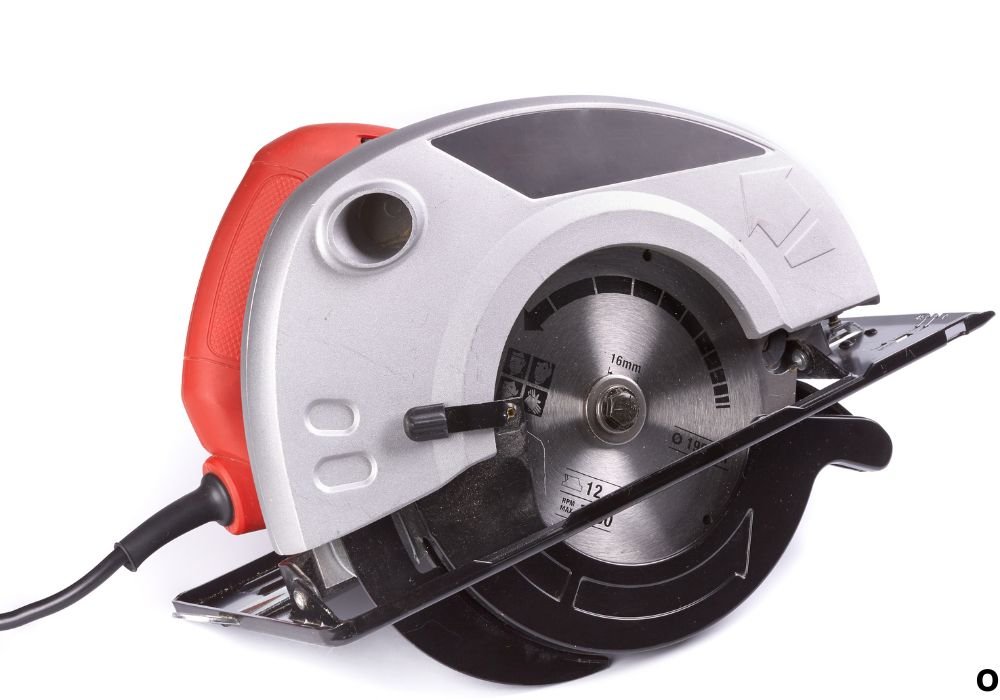
One of the most common reasons your circular saw stops is motor overload. When the blade meets too much resistance, the motor draws extra power, causing it to overheat and shut off.
This usually happens when cutting dense hardwood or thick material without giving the saw time to breathe. If your saw stops frequently during tough cuts, you’re probably pushing it too hard.
Let the saw do the work. Make slower, steady passes and avoid forcing the blade through the material.
2. Dull or Damaged Blade
A dull blade increases friction, forcing the motor to work harder than it should. Eventually, it overheats and stops.
Inspect your blade before every job. Look for burnt edges, chipped teeth, or residue buildup. Even a slightly warped blade can cause wobbling and trigger auto-shutoff in some models.
Replace the blade if it’s dull, and clean resin or pitch deposits using a blade cleaner to restore smooth cutting.
3. Power Supply Problems
If your saw keeps cutting out intermittently, the problem could be the power source. Loose connections, damaged extension cords, or insufficient voltage all lead to sudden power loss.
For corded saws, always use a heavy-duty extension cord rated for power tools. A thin or coiled cord can drop voltage and cause the saw to stall.
For cordless saws, check the battery charge and terminal cleanliness. A weak battery or poor connection can mimic motor failure.
4. Safety Switch or Trigger Malfunction
Circular saws are designed with built-in safety switches that stop the motor when something’s off balance.
If the trigger switch is worn out or the safety lock is misaligned, the saw may stop mid-cut even when the motor is fine.
Inspect the switch assembly for debris, corrosion, or damage. If the trigger feels loose or inconsistent, replacing it might solve the issue.
5. Overheating and Thermal Shutoff
Most modern circular saws have a thermal protection feature that shuts the tool down when it overheats.
Continuous cutting, poor ventilation, or dusty vents can trap heat inside the motor. Once it reaches a certain temperature, the saw automatically stops to prevent burnout.
Allow the saw to cool for 10–15 minutes before restarting. Clean all air vents regularly to maintain airflow.
6. Internal Wiring or Motor Fault
If your saw runs for a few seconds and then stops completely, it could be an internal wiring fault.
Loose connections, frayed wires, or carbon brush wear often cause inconsistent power flow. These components are inside the motor housing, so only check them if you’re confident with tool disassembly.
If sparks appear near the motor or you smell burnt insulation, unplug the saw immediately and take it to a service center.
7. Cutting Technique Issues
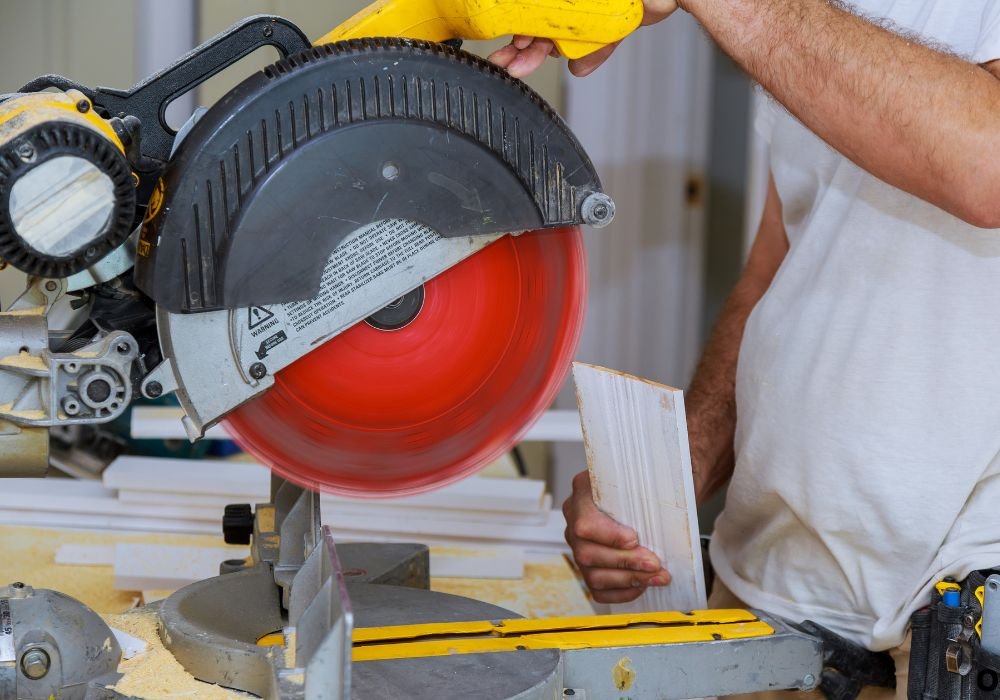
Sometimes the problem isn’t the tool but the technique. Forcing the saw, cutting too fast, or binding the blade inside the material can cause it to stall.
Always support your workpiece properly and avoid pinching the blade. Let the saw maintain a natural feed rate—if you hear the motor strain, back off and readjust your angle.
Proper technique not only keeps your saw running smoothly but also extends its life.
8. Dirty or Clogged Motor Housing
Concrete dust, sawdust, and debris can easily block the air vents, choking the motor. Over time, this buildup reduces cooling efficiency and triggers auto-shutoff.
Unplug the saw and use compressed air to blow out all vents and moving parts. Wipe down the exterior with a dry cloth to prevent moisture damage.
Keeping your saw clean after every session is the simplest way to avoid unexpected stoppages.
Frequently Asked Questions
Why does my circular saw keep shutting off while cutting?
It usually happens due to overload, dull blades, or motor overheating. Clean and inspect your saw regularly to avoid this.
Can a bad battery cause a cordless saw to stop?
Yes. Weak or damaged batteries can’t provide consistent voltage, causing sudden power drops during operation.
How long should I let the saw cool before restarting?
Wait at least 10–15 minutes if the saw feels hot. Overheating can shorten motor life.
Why does my circular saw stop when cutting thick wood?
Dense material puts extra load on the motor. Make shallow passes and use a sharp carbide-tipped blade.
Is it safe to keep restarting a saw that stops repeatedly?
No. Repeated restarts can damage internal parts. Identify and fix the root cause first.
Conclusion
When your circular saw keeps stopping, it’s a warning sign—not just an inconvenience. Overloading, dull blades, power issues, and overheating are all fixable with a bit of care.
Regular maintenance, clean air vents, proper cutting speed, and sharp blades ensure your tool performs at its best. Take time to diagnose problems early, and your circular saw will stay reliable for years of projects ahead.

I’m Michael R. Turner, the founder, lead writer, and passionate DIY enthusiast behind 101diytools.com. With years of hands-on experience in home improvement and power tools, I built this platform to share practical tips, in-depth guides, and honest reviews to help DIYers of all skill levels tackle projects with confidence and the right tools.