How to Use a Circular Saw Without a Table Safely
You’ve bought a large sheet of plywood for a DIY project, but there’s a problem: no table saw. Holding it in place and cutting freehand can feel intimidating, and even small mistakes can ruin your material.
Many DIYers struggle with splintered edges, kickback, or uneven cuts when using a circular saw without a table. These mistakes often happen because beginners don’t stabilize the board or control the saw properly.
Circular saws are incredibly versatile tools, but freehand cutting requires more than just switching them on. Studies indicate that over 50% of cutting accidents in home workshops occur due to improper support or feed techniques.
Even experienced woodworkers double-check their setups before freehand cuts to prevent tear-out and maintain control. With the right approach, freehand cuts can be almost as precise as table saw cuts.
Using a circular saw safely without a table also saves space in small workshops. Not every home DIYer has a dedicated table saw, so mastering freehand cuts makes projects more flexible and accessible.
This guide will provide step-by-step instructions on preparation, freehand cutting techniques, safety measures, and maintenance. Following these tips will allow you to cut wood safely, even without a table.
By practicing proper technique, using the right support, and understanding blade behavior, you’ll gain the confidence to complete projects efficiently without compromising safety or quality.
Understanding Your Circular Saw
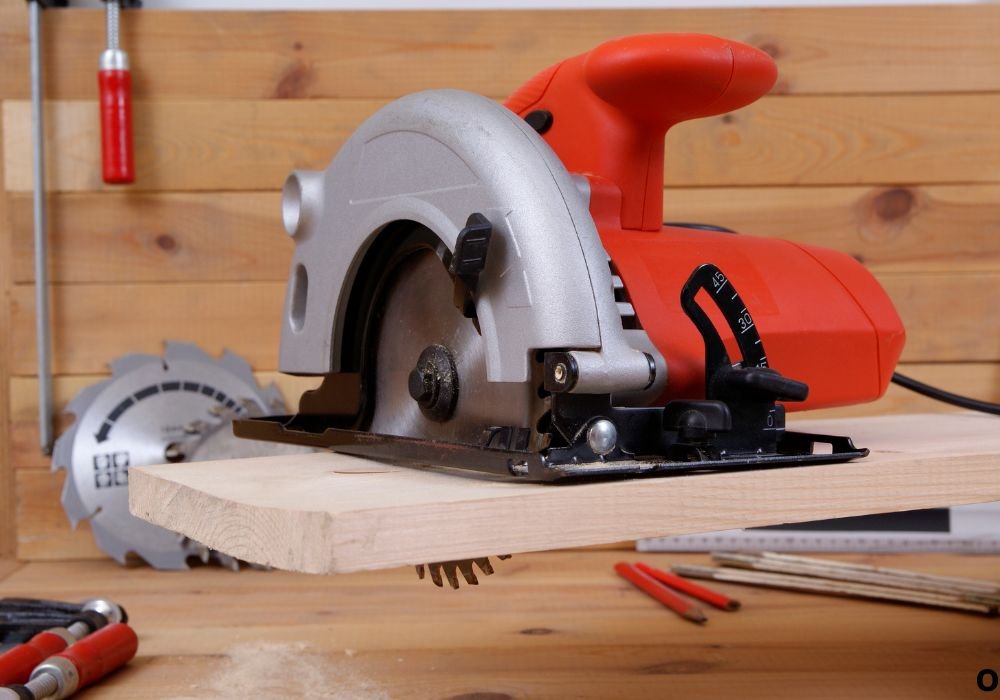
A circular saw is made up of a motor, blade, base plate, depth adjustment, and sometimes bevel adjustment. Knowing each part helps you use it effectively, especially without a table.
Blade type is one of the most important considerations. Fine-tooth blades give cleaner cuts, while coarse blades remove material quickly but may cause splintering if not controlled properly.
Blade rotation determines how the teeth engage the wood. Most sidewinder saws rotate clockwise, while worm-drive saws rotate counterclockwise, affecting cutting behavior and which hand is dominant during the cut.
Sharp blades cut efficiently, reduce motor strain, and produce cleaner edges. Dull or chipped blades increase the risk of tear-out, kickback, and uneven surfaces.
Safety features such as blade guards, trigger locks, and depth adjustments are designed to prevent accidents. Always ensure these are functioning correctly before cutting freehand.
Before starting a cut, inspect the saw, confirm proper blade rotation, and make sure the blade is appropriate for the material. Preparation is the first step toward accurate, safe cutting.
Additionally, adjusting the depth of the blade is crucial. Setting it slightly deeper than the material thickness ensures a smooth cut while reducing friction and strain on the saw.
Understanding the weight and balance of your saw helps when freehand cutting. A heavier saw may feel more stable but requires more control, while a lighter saw is easier to maneuver but may wobble.
Regular inspection of the power cord, battery (for cordless saws), and motor housing is also important. Any damage can cause malfunctions or pose safety hazards during cutting.
Preparing Your Work Area
A stable workspace is critical when using a circular saw without a table. Sawhorses, clamps, or sturdy platforms keep boards supported and prevent dangerous movement.
Clear the area of debris, tools, and obstacles. Even small pieces of scrap wood can interfere with the saw’s path and cause unexpected kicks or slips.
Mark cut lines clearly using a pencil or chalk. Having a visible guide helps maintain straight cuts and prevents wandering during long cuts.
Lighting is important for precision. Shadows or dim spots make it hard to align the saw with your line, increasing the chance of error.
Use clamps or wedges to secure the board. Keeping the material immobile prevents tipping or lifting, which is especially important when working with long or heavy boards.
Always wear safety gear, including gloves, safety glasses, ear protection, and a dust mask. Even a small slip can cause serious injury.
Consider the floor surface beneath the workspace. Uneven or slippery floors can affect stability and increase the chance of mistakes.
Organize materials for smooth workflow. Keeping scrap, tools, and clamps within reach reduces distractions and helps maintain focus.
Double-check that your workspace allows a full cut path. Ensure the saw won’t hit any obstructions while moving along the line.
Freehand Cutting Techniques
Position the saw base plate on your cut line before turning it on. A steady starting position prevents wandering and reduces vibration.
Feed the saw slowly along the line, letting the blade remove material naturally. Forcing it too quickly increases the risk of splintering or binding.
Using a straight edge or a guide rail improves accuracy, even when freehand cutting. Clamp it along the line to ensure the saw follows a perfectly straight path.
Avoid twisting or tilting the saw during the cut. Any deviation can cause the blade to bind, damage the material, or create unsafe situations.
For angled or beveled cuts, carefully adjust the bevel setting and move the saw steadily along the line. Gradual movement ensures precision and prevents kickback.
Practice on scrap material before cutting important boards. This builds muscle memory, improves control, and helps you understand how the saw behaves in freehand mode.
Use a two-handed grip for extra stability. One hand should control the main handle while the other guides the saw along the base plate.
Start cuts at the edge of the material and move consistently. Avoid stopping mid-cut, as restarting can cause the blade to wander.
Be mindful of the sawdust. Accumulated sawdust can obscure your line, so occasionally clear it to maintain visibility.
Preventing Kickback and Injuries
Kickback happens when the blade binds, the material moves, or the saw is forced. Understanding the cause is crucial to avoiding accidents.
Maintain a proper stance with feet shoulder-width apart and one hand on the saw handle, the other on the auxiliary handle. Balance is key to controlling the saw.
Check that your material is fully supported. Loose or uneven boards can lift or twist during the cut, sending the saw backward unexpectedly.
Use clamps, wedges, or supports to secure boards. Even a slight shift can redirect the blade dangerously and cause injury.
Never force the saw through thick or dense wood. Let the blade cut at its natural pace to reduce strain on the saw and prevent sudden movements.
Keep hands and fingers away from the cutting path, and always turn off the saw when making adjustments. Awareness is your best defense against injuries.
Stay alert to unexpected resistance in the material. Knots, nails, or imperfections can cause the saw to jerk if unprepared.
Use anti-kickback techniques such as placing a sacrificial board underneath. This reduces blade binding and helps maintain a straight cut.
Finishing Your Cuts Accurately
Inspect cut edges for splintering, roughness, or unevenness. Light sanding or trimming with a hand plane can create smooth, professional edges.
Check squareness and alignment, especially when cuts are part of a larger assembly. Accurate cuts make assembling furniture or cabinets easier.
For thicker boards, make multiple shallow passes rather than a single deep cut. This reduces motor strain and keeps control over the blade.
Make small corrections as needed along the line. Slight adjustments prevent material waste and maintain precision.
Sanding, filing, or using a hand plane after cutting ensures edges are smooth and splinter-free. Clean edges improve both aesthetics and functionality.
Double-check all cuts before moving on. Mistakes early in a project can compound, causing misalignment in larger assemblies.
Use a finishing guide or square to confirm angles. This is especially important for beveled or miter cuts without a table.
Consider labeling cut pieces for easier assembly. Accurate cuts combined with organized material reduce confusion in complex projects.
Maintenance and Blade Care
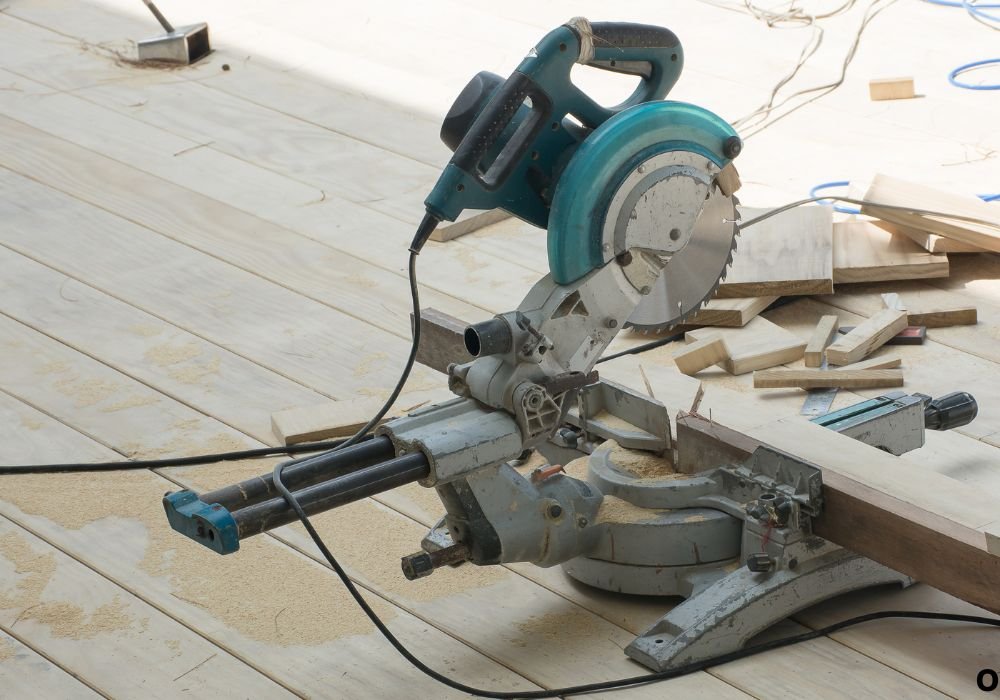
Clean blades after each use to remove sawdust, resin, and debris. A clean blade spins efficiently and stays sharp longer.
Check for chips, cracks, or warping before each use. Damaged blades reduce cutting quality and increase the risk of accidents.
Sharpen dull blades or replace them if necessary. A sharp blade reduces motor strain and produces cleaner edges.
Store the saw and blades in dry, safe places. Humidity and mishandling can cause rust or damage.
Inspect moving parts, triggers, and depth adjustments regularly. Proper maintenance ensures smooth operation and accurate cuts.
Lubricate pivot points if recommended by the manufacturer. This prolongs tool life and keeps adjustments smooth during use.
Periodically check the power cord or battery terminals. Faulty wiring can lead to sudden stops or dangerous sparks during cutting.
Balance the blade and ensure proper tension on arbor nuts. Loose mounting can cause wobble, uneven cuts, and potential injury.
Frequently Asked Questions
Can I use a circular saw without a table for plywood?
Yes, with proper support like sawhorses or clamps, plywood can be cut safely freehand.
How do I prevent kickback when freehand cutting?
Ensure material stability, maintain proper stance, and feed the saw slowly along the line.
What safety gear is essential when cutting without a table?
Gloves, eye protection, ear protection, and a dust mask are essential. Keep clothing and hair secure.
Can I make long straight cuts without a table saw?
Yes, using straight edges or guides helps maintain accuracy on long boards.
How do I stabilize boards during freehand cuts?
Use sawhorses, clamps, or wedges to prevent movement.
Is it safe to cut thick wood without a table?
Yes, but make multiple passes and ensure the board is fully supported.
Can I use a circular saw guide for freehand cuts?
Absolutely. Guides improve accuracy and reduce blade wandering.
How to handle angled cuts safely without a table?
Set the bevel carefully, hold the saw steady, and move gradually along the line.
What mistakes should beginners avoid when freehand cutting?
Avoid rushing, poor material support, ignoring blade rotation, and skipping safety gear.
Can freehand cutting damage the saw blade faster?
Yes, improper feed, binding, or cutting unsupported material can dull or chip blades.
Conclusion
Using a circular saw without a table is safe and precise when done correctly. Preparation, proper stance, and controlled cutting make all the difference.
Always verify blade rotation, secure the material, and wear protective gear for every cut. Accuracy comes from careful setup and steady movement.
With practice and attention to detail, freehand cuts can be almost as precise as table saw cuts. Mastering these techniques gives flexibility for all your DIY woodworking projects.
Understanding freehand techniques also saves space, reduces the need for expensive equipment, and allows more versatile project setups. With the right approach, even large boards can be cut efficiently without a table.

I’m Michael R. Turner, the founder, lead writer, and passionate DIY enthusiast behind 101diytools.com. With years of hands-on experience in home improvement and power tools, I built this platform to share practical tips, in-depth guides, and honest reviews to help DIYers of all skill levels tackle projects with confidence and the right tools.