How to Cut a 45 Degree Angle With a Circular Saw
You are halfway through building a picture frame when you realize the corners must meet perfectly at 45 degrees. The straight cuts you’ve mastered suddenly feel useless for the clean, professional edge you need.
For many DIYers, this moment feels intimidating. The thought of tilting the blade and cutting at an angle seems risky or complicated.
But learning how to cut a 45-degree angle with a circular saw is easier than it looks. Once you understand your saw’s settings and technique, it becomes a natural part of your woodworking skill set.
A perfect 45-degree cut gives your project a seamless, finished look. It is the secret behind tight joints, smooth moldings, and elegant frames that fit together without gaps.
According to woodworking experts, mastering angle cuts can improve your project accuracy by up to 40 percent. That means tighter joints, fewer wasted boards, and a more professional finish every time.
In this guide, you will learn how to set your saw, adjust your angle, and make perfect 45-degree cuts safely and precisely. By the end, you will have the confidence to cut angles like a seasoned craftsman.
Why 45-Degree Cuts Matter in Woodworking

A 45-degree cut is one of the most common angles used in carpentry and woodworking. It allows two boards to meet cleanly and form a perfect 90-degree corner.
You will find this angle everywhere — in picture frames, door trims, furniture joints, and decorative moldings. The beauty of these joints comes from precise alignment and accurate angles.
When your cuts are even slightly off, the gap at the corner becomes visible. This small imperfection can ruin the overall look of an otherwise perfect project.
A properly cut 45-degree angle ensures the edges join tightly and cleanly. It makes your finished product look professional, polished, and perfectly aligned.
Circular saws make this possible even without an expensive miter saw. With the right setup, a circular saw can handle 45-degree cuts for framing, flooring, and home projects with great precision.
Learning how to cut 45-degree angles correctly improves both the appearance and durability of your builds. Once you master it, every project you make will have a professional finish that fits seamlessly.
Tools and Materials You’ll Need
Before you start cutting a 45-degree angle, make sure you have all the right tools ready. Proper preparation saves time and ensures cleaner, more accurate cuts.
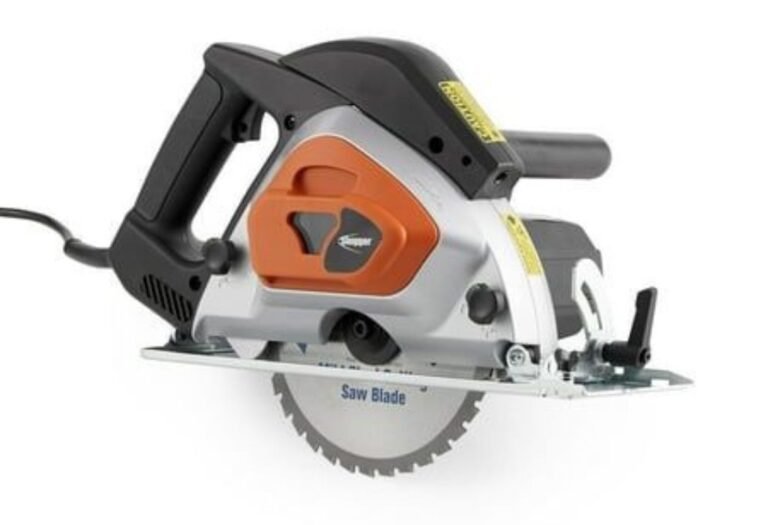
The most essential tool is, of course, a circular saw with an adjustable base plate. This feature allows you to tilt the blade to exactly 45 degrees for perfect bevel or miter cuts.
You will also need a measuring tape, pencil, and speed square. These help mark your cutting line precisely, which is critical for clean, aligned joints.
Keep a pair of sturdy clamps nearby to hold your material securely in place. A shifting board can ruin your angle, so stability is crucial for smooth performance.
For safety, wear protective goggles, gloves, and hearing protection. Circular saws are powerful, and small wood chips can fly in unexpected directions during angled cuts.
Finally, have a few scrap pieces of wood for testing your setup before the real cut. Practicing first helps you confirm your angle, depth, and speed without risking your main material.
Understanding Bevel vs. Miter Cuts
Before cutting at 45 degrees, it is important to understand the difference between bevel and miter cuts. Both are angled, but they are made on different planes of the material.
A miter cut is made across the face of the board at an angle. It changes the direction of the board’s edge, which is perfect for making corners like picture frames and moldings.
A bevel cut, on the other hand, tilts the blade so the angle goes through the board’s thickness. This creates an angled edge, commonly used in trim work and furniture design.
Circular saws can perform both bevel and miter cuts, depending on how you position the board. The saw’s adjustable base plate, or shoe, lets you tilt the blade up to 45 degrees for precise beveling.
When you combine both bevel and miter angles, you can create complex joints for advanced woodworking. This makes your circular saw a versatile tool that can handle almost any angled project.
Understanding these two cutting styles helps you plan each cut with confidence. It ensures that your 45-degree angles always align perfectly, no matter the project type.
How to Set the Saw for a 45-Degree Bevel Cut
Before making any adjustments, make sure your circular saw is unplugged or the battery is removed. Safety should always come first when handling blade or angle changes.
Locate the bevel adjustment lever or knob near the base plate of your saw. This mechanism allows you to tilt the saw’s shoe to create bevel angles precisely.
Loosen the lever and tilt the saw’s base until the indicator points exactly to 45 degrees. Once set, tighten the lever securely so the angle does not shift during cutting.
For added precision, verify the setting using a speed square or digital angle gauge. This ensures your saw is aligned perfectly before you start cutting the real piece.
Check that the blade guard moves freely after the angle adjustment. A restricted guard can create drag and affect the accuracy of your 45-degree bevel cut.
When your saw is adjusted and locked properly, make a test cut on a scrap board. This quick test helps confirm both the angle accuracy and your saw’s balance before the main project.
Step-by-Step: Making a 45-Degree Angle Cut
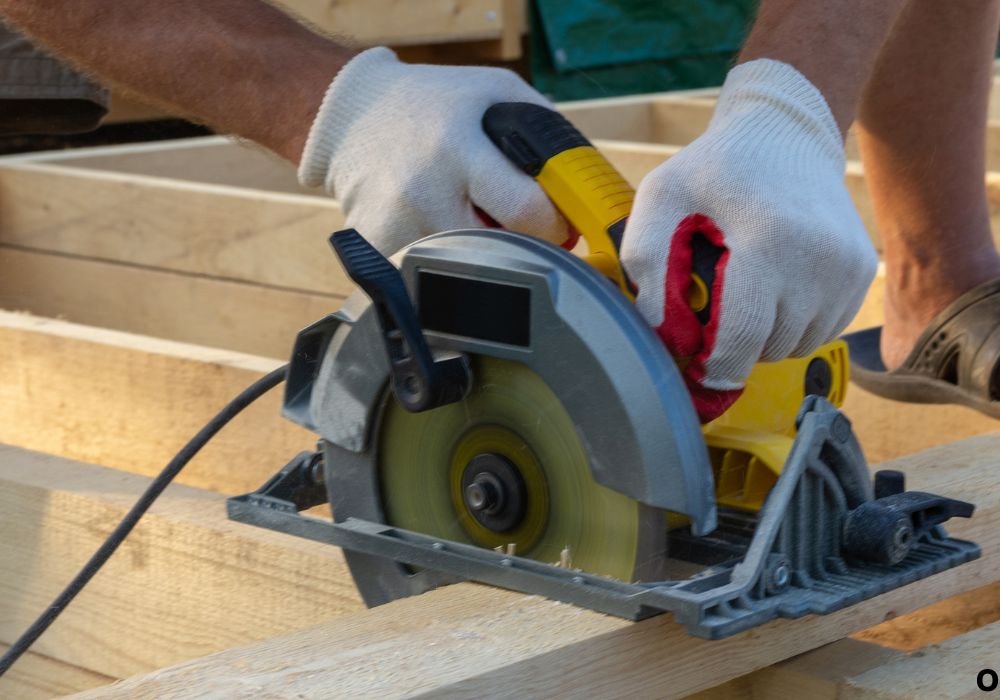
Once your saw is set to the correct bevel angle, it is time to start cutting. Begin by marking your 45-degree cut line clearly using a speed square or protractor.
Secure your workpiece firmly with clamps before starting. A stable board ensures a smooth, clean cut and prevents dangerous movement during operation.
Position the saw so the blade aligns with the cutting line, accounting for the kerf width. This small detail keeps your finished piece at the exact intended measurement.
Hold the saw with both hands and start it before touching the material. Let the blade reach full speed, then guide it steadily through the cut without applying extra force.
Keep the saw’s base plate flat against the surface throughout the cut. Lifting or tilting it can distort your angle and create an uneven edge.
Once finished, release the trigger and let the blade stop completely before setting the saw down. This habit keeps both your workpiece and the blade safe from accidental damage.
How to Make a 45-Degree Miter Cut on Wood
A 45-degree miter cut is made across the face of the board instead of through its thickness. It is commonly used for picture frames, baseboards, and trim work.
Start by marking your desired angle on the board using a miter square. Draw a clear cutting line so you can easily follow it with your circular saw.
Keep the saw base flat while positioning the board diagonally. The edge of the saw should line up exactly with the drawn angle for a clean miter joint.
Use painter’s tape on the top surface of the cut to reduce splintering. This technique works especially well for plywood and veneered boards.
Guide the saw slowly along the cutting line, maintaining steady pressure. Avoid forcing the saw, as smooth motion delivers the cleanest finish.
After completing the cut, check the angle with a protractor or speed square. A precise 45-degree miter cut ensures tight, seamless joints when two boards meet at 90 degrees.
Tips for Cleaner and More Accurate Cuts
Clean, precise 45-degree cuts depend as much on technique as they do on setup. Small adjustments can make a big difference in your final results.
Always use a sharp, fine-tooth blade for smoother finishes. A dull or coarse blade can cause splintering and uneven edges, especially on softwood.
Support both sides of the board during the cut to prevent sagging. Unbalanced material can shift and throw your angle off even by a few degrees.
Mark your cutting line clearly and always cut on the waste side. This preserves your exact measurement and ensures the finished piece remains the right size.
If you are working on delicate wood, use masking tape along the cutting line. It helps prevent tear-out and keeps the edges crisp.
Finally, practice your cuts on scrap pieces before working on your actual project. This builds confidence and allows you to fine-tune your saw’s setup for perfect results.
Common Mistakes to Avoid When Cutting Angles
Even a small mistake can ruin a perfect 45-degree angle cut. Knowing what to avoid helps you work faster, safer, and with greater accuracy.
One of the most common errors is failing to lock the bevel adjustment before cutting. A loose angle setting can shift mid-cut and destroy your alignment.
Rushing the process or forcing the saw through the material often leads to rough cuts. Always let the blade’s speed do the work for you.
Many beginners forget to consider the blade’s kerf width. Cutting directly on the line removes extra material and results in a shorter board than planned.
Another mistake is skipping clamps or cutting freehand. Without securing the wood, vibration and movement can easily throw your saw off the intended angle.
Lastly, never use a dull or damaged blade for angle cuts. Dull teeth tear fibers instead of slicing cleanly, which makes your 45-degree joints look uneven and rough.
Safety Reminders for Angled Cutting
Cutting at 45 degrees requires focus and patience just like any other precision task. Taking small safety steps ensures your cuts are both clean and risk-free.
Always wear safety goggles to protect your eyes from sawdust and flying debris. Gloves and hearing protection also reduce strain during extended cutting sessions.
Keep your workspace well-lit and clutter-free. Poor lighting can make it difficult to follow your angle marks accurately.
Never position your body directly behind the saw blade. Stand slightly to the side to avoid potential kickback if the blade binds.
Make sure the board is securely clamped before every cut. A shifting or vibrating workpiece can cause uneven angles and create safety hazards.
Finally, wait for the blade to stop spinning completely before setting the saw down. These small habits not only protect you but also keep your tools in top condition.
Frequently Asked Questions About Cutting 45-Degree Angles
1. Can I cut a 45-degree angle without a miter saw?
Yes, a circular saw can cut 45-degree angles easily. You just need to adjust the bevel or guide the saw carefully along your marking line.
2. What is the difference between a bevel cut and a miter cut?
A bevel cut angles through the material’s thickness, while a miter cut angles across its face. Both can be set at 45 degrees depending on the project.
3. How do I mark a 45-degree line accurately?
Use a speed square or miter gauge to draw your line. Double-check with a protractor if you are unsure of your saw’s alignment.
4. Should I tilt the saw or the wood when cutting at 45 degrees?
For bevel cuts, tilt the saw blade. For miter cuts, keep the saw flat and position the wood diagonally.
5. Why does my 45-degree cut not match up perfectly?
Your blade might not be aligned at a true 45-degree angle. Check the bevel indicator and verify it with a square or digital angle gauge.
6. How do I prevent splintering on 45-degree cuts?
Use painter’s tape on the cut line and cut with the finished side facing down. A fine-tooth blade also helps reduce tear-out.
7. Can I use a guide for more accuracy?
Yes, guide rails or straight edges are very helpful for keeping your cut straight and consistent. They work especially well for long boards.
8. What type of blade should I use for angle cuts?
Choose a sharp, fine-tooth carbide blade for the cleanest finish. More teeth per inch produce smoother results on angled cuts.
9. Should I push or pull the saw when cutting at an angle?
Always push the saw forward slowly and steadily. Pulling the saw back increases the risk of kickback and rough edges.
10. Can I cut thick boards at a 45-degree angle?
Yes, but make sure your blade depth is set correctly. For thicker boards, make multiple shallow passes if necessary.
11. How do I check if my 45-degree angle is accurate?
Use a speed square or angle finder to verify the finished cut. The two boards should form a perfect 90-degree corner when joined.
12. Why does my saw bind or smoke during angle cuts?
A dull blade or improper alignment can cause binding. Clean or replace the blade and make sure your saw is at the correct bevel setting.
13. Can I use the same blade for straight and angled cuts?
Yes, as long as it is sharp and suitable for your material. Always check that the blade is mounted correctly before switching angles.
14. Is it better to cut with or against the grain?
Cut along the grain whenever possible for smoother edges. Cutting across the grain can lead to more splintering and rough finishes.
15. Do I need to sand the edges after a 45-degree cut?
Light sanding is recommended to remove small splinters. It also helps joints fit tightly when gluing or assembling corners.
Conclusion: Building Confidence Through Angled Mastery
Cutting a 45-degree angle with a circular saw may look challenging, but it is entirely achievable with practice. Once you learn to control the blade and read your marks, accuracy becomes second nature.
Each successful angled cut improves your understanding of your saw’s balance and motion. Over time, you’ll gain the confidence to take on more detailed and professional projects.
Precision and patience are your two greatest tools in woodworking. Rushing through cuts or ignoring setup details is what often separates amateurs from skilled craftsmen.
By combining proper measurements, the right blade, and safe technique, you can achieve seamless 45-degree joints. The results will speak for themselves with perfectly aligned corners and smooth finishes.
Remember that even professionals start with practice cuts and adjustments. Every project you complete makes you more familiar with your circular saw’s power and accuracy.
With care, confidence, and consistency, you’ll soon be cutting 45-degree angles like a pro. Each project you create will showcase the precision and pride of your craftsmanship.

I’m Michael R. Turner, the founder, lead writer, and passionate DIY enthusiast behind 101diytools.com. With years of hands-on experience in home improvement and power tools, I built this platform to share practical tips, in-depth guides, and honest reviews to help DIYers of all skill levels tackle projects with confidence and the right tools.