How to Rip a Board with a Circular Saw: Step-by-Step Guide
Every DIYer has faced the frustration of trying to rip a long board straight. You measure carefully, mark a line, and clamp the board down, only to see the cut drift, splinter, or ruin hours of preparation.
Ripping boards with a circular saw can feel intimidating. Many beginners make mistakes that cause kickback, uneven edges, or damaged materials.
Even experienced woodworkers double-check their setup before every rip cut. Studies show over 50% of beginners fail to achieve straight rip cuts because they skip crucial setup steps.
A circular saw is powerful, but that strength comes with responsibility. Proper setup, blade selection, and cutting technique are essential to ensure safety and precision.
By the end of this guide, you will know exactly how to rip boards cleanly, whether you’re working on softwood, hardwood, plywood, or MDF. Following the steps in this guide will help you achieve professional results.
This article will cover saw types, blade selection, workspace setup, ripping techniques, maintenance, troubleshooting, and 15+ FAQs for beginners and pros alike.
Understanding Circular Saws and Rip Cuts
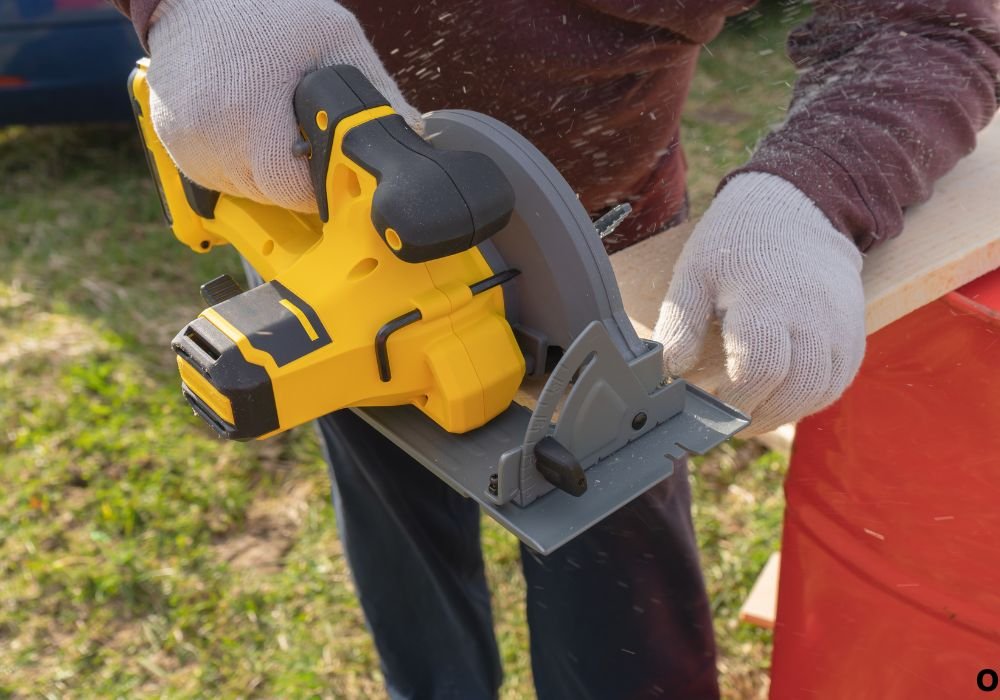
Rip cuts are cuts that follow the wood grain. Crosscuts, in contrast, cut against the grain. This difference affects blade type, feed rate, and cutting technique.
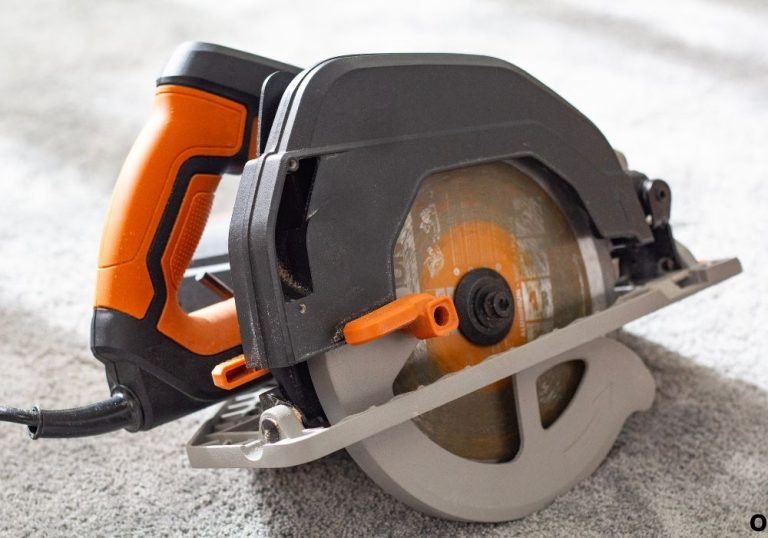
Circular saws consist of four main parts: motor, blade, base plate, and guard. Understanding these parts is critical for safe and accurate ripping.
Rip blades typically have fewer teeth than crosscut blades. Fewer teeth allow faster material removal, but may leave rougher edges if not handled properly.
Motor power and speed also affect cutting. Higher-powered saws handle hardwood and thick boards without bogging down or causing binding.
The alignment of the blade, base plate, and cut line is crucial. Even a slight misalignment can cause the saw to wander, ruining the cut.
Beginners often make mistakes by forcing the saw, using the wrong blade, or neglecting the grain direction. Avoiding these common errors ensures safer, cleaner cuts.
Understanding wood types is essential. Softwood, hardwood, MDF, and plywood all respond differently to blade rotation and feed speed. Knowing these differences improves rip cut accuracy.
Preparing Your Board and Workspace
Start by selecting a stable, flat support, such as sawhorses or a sturdy workbench. A wobbling board leads to uneven cuts and potential kickback.
Mark the cut line clearly using a pencil and square. A precise line serves as a visual guide and improves accuracy.
Clamp the board securely to prevent shifting. Unsecured boards vibrate and increase the risk of accidents.
Check for nails, screws, knots, or defects. These obstacles can damage blades and affect cut quality.
For long or warped boards, use support blocks under the ends. Proper support keeps the board level and reduces blade binding.
Wear proper safety gear: gloves, goggles, and ear protection. Even small mistakes can cause serious injury without precautions.
Lighting and workspace cleanliness also matter. Adequate light ensures accurate alignment, and a clutter-free area reduces tripping hazards.
Setting Up the Circular Saw
Adjust blade depth so the teeth extend slightly beyond the board thickness. Too shallow cuts bind the blade, and too deep cuts increase risk.
Confirm blade orientation and rotation. Using a blade backward causes tear-out and kickback.
Select the proper rip blade, which has fewer teeth and a flat-top grind. This type allows fast, smooth cuts along the grain.
Check the base plate and guide edges for stability. A secure base ensures straight, consistent cuts.
Practice on scrap wood if unsure. Testing the setup builds confidence and prevents mistakes on the actual board.
Verify power supply or battery level. A sudden power loss mid-cut can cause the blade to bind or wander.
If bevel or angled cuts are required, adjust the saw’s bevel settings before cutting. Verify the angle with a square to maintain accuracy.
Ripping the Board: Step-by-Step
Align the saw with the pencil line, ensuring the base plate is flush with the edge of the board. Proper alignment prevents wandering cuts.
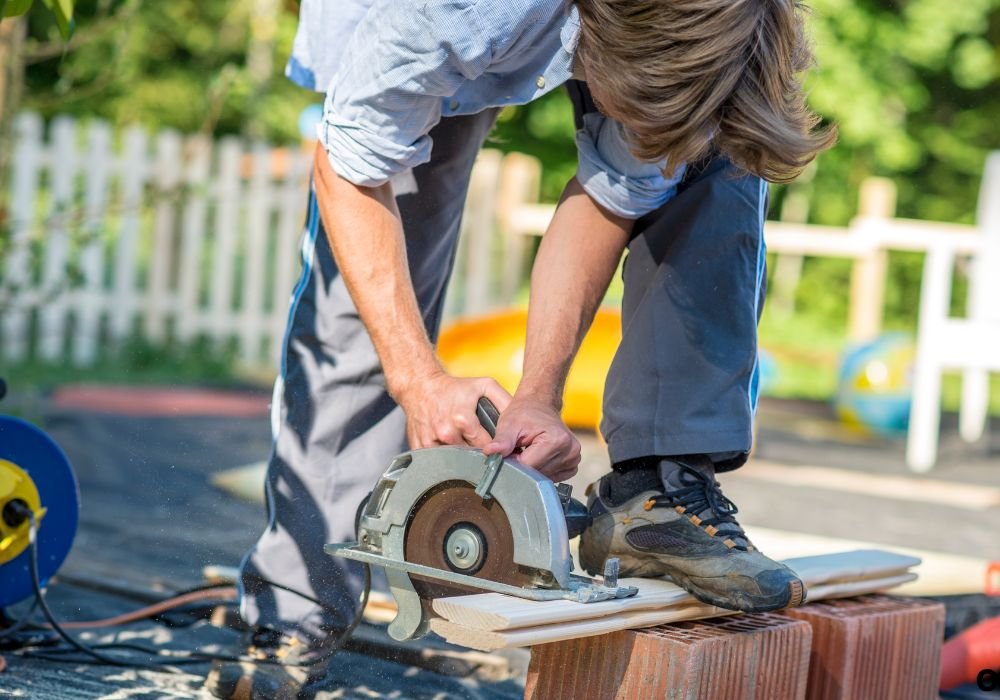
Hold the saw firmly with both hands. A stable grip minimizes vibration and ensures a controlled feed along the line.
Start the motor before engaging the wood. Rushing into the cut increases the risk of binding and kickback.
Feed the saw steadily along the line, allowing the teeth to do the work. Consistent speed maintains control and prevents splintering.
Use a straightedge or guide for boards longer than 6–8 feet. A guide keeps the saw perfectly aligned, reducing human error.
Finish the cut, then inspect the edges. Smooth, even edges indicate proper technique, feed, and blade choice.
Handle knots or irregular grain with care. Slow down feed near these areas to prevent blade deflection and tear-out.
Common Mistakes and How to Avoid Them
One common mistake is letting the saw drift off the line. Use clamps and guides to keep the saw path straight.
Blade binding or kickback occurs when feeding too fast or using the wrong blade. Maintain steady, controlled pressure for smooth cuts.
Using a crosscut blade for rip cuts reduces efficiency and increases splintering. Always choose the correct rip-specific blade.
Cutting too fast or too slow affects edge quality. Practice steady, consistent feed rates for the best results.
Failing to secure the board leads to wobble and inaccurate cuts. Clamps and sawhorses stabilize material.
Ignoring safety precautions, like eye and ear protection, increases risk of injury. Always prioritize safety before efficiency.
For warped or bowed boards, support points along the board prevent flexing. This keeps the blade engaged evenly throughout the cut.
Finishing and Maintenance Tips
Sand any rough edges after cutting for a clean finish. Minor sanding corrects imperfections from the rip cut.
Inspect blades before installation. Chipped or warped blades reduce cut quality and may cause accidents.
Clean the saw and blade of resin or debris regularly. A clean blade cuts efficiently and reduces motor strain.
Store blades in a dry, safe area to prevent rust. Rusty blades increase friction and risk of breakage.
Sharpen or replace dull blades as needed. A sharp blade produces clean cuts and minimizes splintering.
Regular maintenance, including checking arbor nuts and lubrication points, extends the life of both saw and blade.
Always inspect the cut wood for tear-outs or rough edges. Fix minor issues before using the board in your project.
Frequently Asked Questions
Can I rip a board without a guide?
Yes, but accuracy suffers. Using a guide ensures straight cuts, especially on long boards.
What blade is best for ripping plywood?
A rip blade with fewer teeth and flat-top grind works best. It prevents splintering and speeds up cuts.
How deep should I set the blade?
Slightly deeper than the board thickness. Too shallow or too deep can cause binding or splintering.
Can I rip a board on the floor safely?
Not recommended. Use sawhorses or stable support for safety and straight cuts.
How do I prevent kickback?
Secure the board, maintain steady feed, and ensure correct blade orientation. Avoid forcing the saw.
Can I use a crosscut blade for ripping?
Technically yes, but efficiency and edge quality suffer. Always use rip blades for grain cuts.
Should I clamp the board or just hold it?
Clamping is safer and prevents movement. Hand-holding is riskier and reduces accuracy.
How do I rip long boards accurately?
Use guides, clamps, and steady feed. Support the board at multiple points for stability.
Is it safe to rip hardwood with a circular saw?
Yes, if using proper blades, feed technique, and support.
What speed should I use for a rip cut?
A steady, controlled pace ensures smooth cuts without burning or splintering.
How do I handle knots or warped sections?
Slow the feed near knots and support bowed areas to prevent blade deflection.
Can I make multiple rip cuts in sequence?
Yes, but check blade condition between cuts to maintain clean edges.
What safety precautions should I always follow?
Wear eye, ear, and hand protection. Ensure boards are secured and workspace clear.
Can I rip MDF without chipping?
Yes, use a sharp rip blade, slow feed, and support the board properly.
Is it better to cut on top or bottom side for plywood?
Rip along the side where the teeth enter the wood to minimize tear-out.
Can I rip boards at an angle safely?
Yes, with correct bevel setup and guides. Take your time to maintain control.
What to do if the saw overheats during long cuts?
Pause, allow cooling, and ensure blade is clean and sharp. Avoid forcing the cut.
How do I maintain blade alignment over time?
Regularly check base plate, arbor nut, and blade condition. Adjust if any wobble occurs.
Can I use the same rip technique on hardwood and softwood?
Yes, but adjust feed rate and blade type for material hardness to prevent burning or splintering.
Conclusion
Ripping a board with a circular saw is easier and safer with proper setup, blade selection, and technique. Mark lines, secure boards, and use guides when needed.
Safety gear, inspection, and workspace preparation are as important as cutting technique. Avoid rushing to maintain control and prevent accidents.
With patience, practice, and attention to detail, anyone can rip boards cleanly, whether softwood, hardwood, or plywood. Following these steps ensures precision and professional results on every project.

I’m Michael R. Turner, the founder, lead writer, and passionate DIY enthusiast behind 101diytools.com. With years of hands-on experience in home improvement and power tools, I built this platform to share practical tips, in-depth guides, and honest reviews to help DIYers of all skill levels tackle projects with confidence and the right tools.