Corded vs Cordless Circular Saw: Which One Wins?
Every craftsman has faced this choice: the reliable power of a corded saw or the freedom of a cordless one. The debate between corded vs cordless circular saw models isn’t just about wires — it’s about workflow, precision, and productivity.
When circular saws first entered workshops, they were all corded. Power meant consistency. But modern battery technology changed everything. Lithium-ion cells and brushless motors have made cordless tools faster, lighter, and more efficient than ever.
Still, professionals often trust the raw strength of a corded motor. It delivers steady RPMs hour after hour, with no fear of power drop-offs or recharging. Cordless saws, however, have become the go-to for flexibility, quick cuts, and on-site mobility.
So which one truly wins? The answer depends on what — and where — you cut. Let’s explore how these two types compare in power, precision, and performance.
Understanding the Core Difference
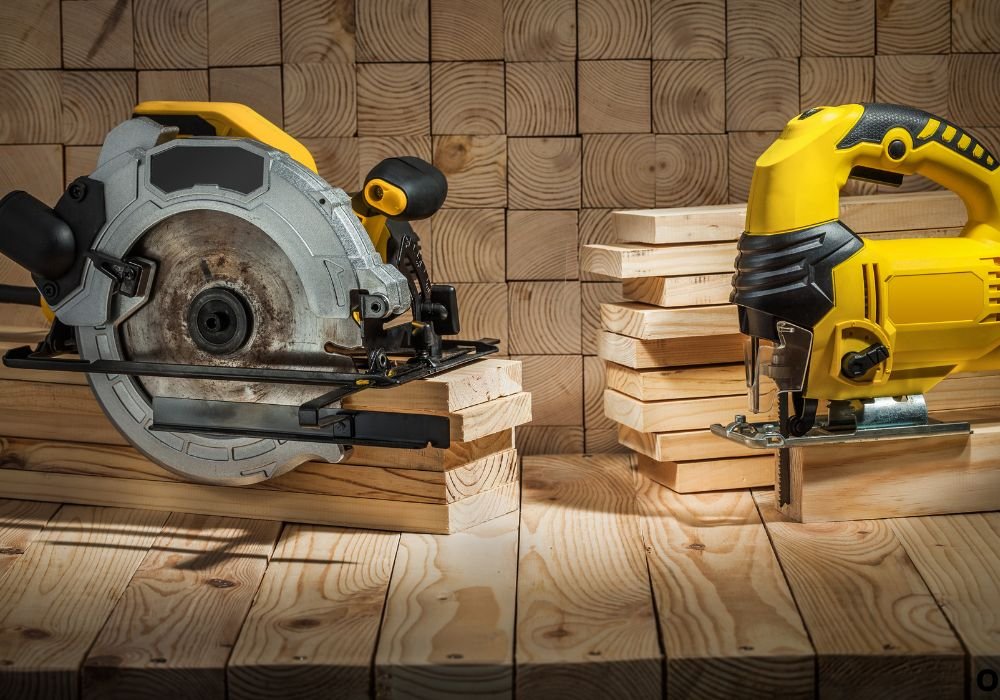
The core distinction lies in the power source. A corded circular saw runs directly from an electric outlet, while a cordless saw relies on rechargeable batteries.
- Corded: Delivers constant current for steady torque and blade speed.
- Cordless: Uses portable batteries, offering mobility but limited runtime.
Corded saws are ideal for workshops or long sessions requiring uninterrupted power. Cordless saws, by contrast, excel in job sites, roof work, or outdoor projects where outlets aren’t always available.
The result is a trade-off between power and portability, and your choice depends on how you work.
How a Corded Circular Saw Works
A corded circular saw operates through direct AC power, meaning the motor receives continuous electricity from the outlet. This gives it consistent RPM stability and excellent cutting torque.
When you press the trigger, current flows into the motor windings, spinning the blade at speeds usually between 4,500 – 6,000 RPM. This unbroken energy flow makes it perfect for cutting thick hardwoods or long sheets of plywood without slowdown.
Corded saws are heavier due to their copper motors but rarely overheat under heavy load. Their durability makes them a workshop favorite for professionals who value dependability.
Key Features of Corded Circular Saws
- Unlimited Runtime: As long as it’s plugged in, it keeps running.
- High Torque Output: Excellent for cutting dense or wet lumber.
- Cost Efficiency: Generally cheaper upfront and requires no batteries.
- Reliable Performance: Consistent RPMs mean smoother, more predictable cuts.
- Less Maintenance: No battery charging, just occasional cleaning and lubrication.
Corded saws are the definition of plug-and-cut convenience — powerful, simple, and ready for continuous use.
How a Cordless Circular Saw Works
Cordless circular saws are powered by lithium-ion batteries, usually ranging from 18 V to 40 V. They use brushless motors for efficiency and reduced heat buildup.
When triggered, the battery discharges energy through the motor controller, which adjusts power output based on blade resistance. This allows the saw to deliver just enough torque for each cut, conserving battery life.
Cordless models are lightweight, ergonomic, and safe for elevated or remote locations. They eliminate the clutter of extension cords while offering decent cutting power for most materials.
Key Features of Cordless Circular Saws
- Full Portability: No cords or outlets required — perfect for mobility.
- Instant Start: No setup; simply press and cut.
- Reduced Risk of Accidents: No cables to trip over or snag.
- Quick Battery Swaps: Extra batteries extend runtime easily.
- Advanced Electronics: Smart chips regulate power and temperature.
Cordless saws bring convenience and freedom, ideal for modern builders who move frequently across job sites.
Corded vs Cordless Circular Saw: Side-by-Side Comparison
| Feature | Corded Circular Saw | Cordless Circular Saw |
| Power Source | AC outlet | Lithium-ion battery |
| Torque & Speed | Strong, consistent | Slightly variable |
| Weight | Heavier | Lighter |
| Runtime | Unlimited | Battery-limited |
| Maintenance | Low | Requires battery care |
| Portability | Limited | Excellent |
| Cost Over Time | Lower | Higher (battery replacements) |
| Best For | Workshop, long cuts | Outdoor and quick tasks |
The chart makes it clear: both saw types have unique strengths. The choice depends on whether you prioritize endless power or effortless mobility.
Pros and Cons of Corded Circular Saws
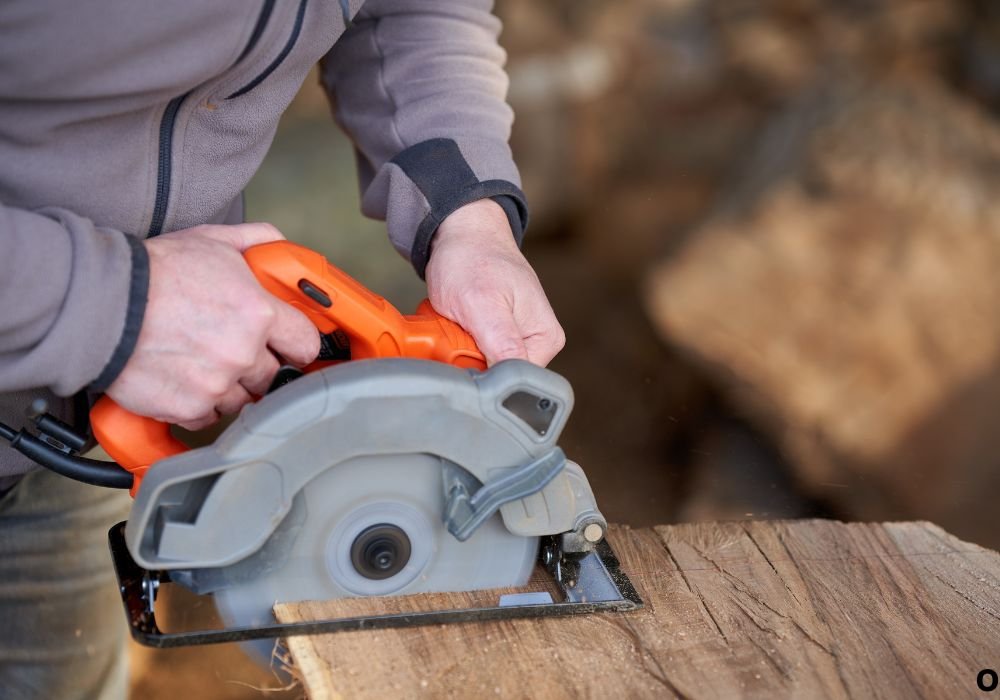
Advantages:
- Continuous power supply for extended sessions.
- Strong torque for hardwoods and metal sheets.
- Lower initial cost and minimal maintenance.
- Consistent RPMs enhance cutting accuracy.
Disadvantages:
- Limited movement range due to the cord.
- Not suitable for remote or outdoor sites without power.
- Cable management can be cumbersome and unsafe if tangled.
Corded saws remain unbeatable in stationary environments where raw cutting power is essential.
Pros and Cons of Cordless Circular Saws
Advantages:
- Maximum portability — no outlet needed.
- Lightweight and comfortable for overhead cuts.
- Ideal for on-the-go professionals or DIYers.
- Modern batteries support fast recharging and long cycles.
Disadvantages:
- Limited runtime per battery charge.
- Power output drops as charge declines.
- Replacement batteries can be expensive.
- Slightly less torque on very dense materials.
Cordless models are freedom tools — built for efficiency and flexibility.
Performance Comparison in Real-World Use
When tested side by side, corded saws deliver stronger sustained torque, especially on thick hardwoods. They maintain consistent RPMs without slowing when resistance increases.
Cordless models, however, shine in shorter, repetitive tasks where setup speed matters. A 20 V brushless cordless saw can match corded cutting speed for most 2×4 lumber and plywood.
The main difference appears during prolonged or deep cuts — corded saws stay cooler and more consistent. Cordless saws may slow slightly as batteries deplete, though swapping a charged pack solves the issue.
Both versions offer similar accuracy and vibration control, but corded saws have a slight edge in long-term precision stability.
Which One Should You Choose?
Choose a corded circular saw if:
- You work in a fixed location like a workshop.
- You often cut thick, hard, or wet wood.
- You prefer continuous, high-torque performance.
Choose a cordless circular saw if:
- You work outdoors or move between sites.
- You value convenience and portability.
- You handle light-to-medium materials frequently.
In short, if you’re after endurance and raw power, corded wins. If you need freedom and mobility, cordless is unbeatable.
Safety and Maintenance Considerations
Both types demand the same basic safety precautions:
- Wear protective gear: Goggles, gloves, and ear protection.
- Inspect before each use: Check blade sharpness and alignment.
- Avoid binding: Keep materials clamped and supported.
- Cord Safety: For corded saws, keep cables away from the blade path.
- Battery Care: For cordless models, avoid moisture and overcharging.
Routine cleaning — removing sawdust, oiling bearings, and checking fasteners — ensures smooth, vibration-free cutting every time.
Cost and Long-Term Investment
Corded Saws: Lower initial price, fewer parts to maintain, and longer average lifespan. The only recurring expense is occasional blade replacement.
Cordless Saws: Higher upfront cost due to batteries and chargers, but mobility often justifies it. Modern lithium-ion packs last 500 – 800 charge cycles before needing replacement.
Professionals often invest in both: a corded unit for heavy tasks and a cordless one for portability. Together, they cover every scenario.
Frequently Asked Questions
Which circular saw is more powerful, corded or cordless?
Corded saws generally provide more torque and consistent speed.
How long does a cordless circular saw battery last?
Typically 30–60 minutes of continuous use depending on load and voltage.
Can a cordless saw cut thick hardwoods?
Yes, high-voltage brushless models can handle hardwoods up to 2 inches thick.
Are corded saws still used by professionals?
Absolutely — especially for industrial, long-duration, or workshop tasks.
What’s the best voltage for a cordless saw?
20 V is standard; 40 V or higher offers extra torque for demanding cuts.
Is there a safety difference between them?
Cordless models reduce tripping hazards, while corded models offer steady control.
Can I use the same blades for both?
Yes — as long as the arbor size and RPM rating match.
Do brushless cordless saws match corded power?
They come close, especially at 40 V, but still slightly trail in sustained torque.
How can I extend battery life?
Store in a cool, dry place and recharge before full depletion.
Which is better for beginners?
Cordless — it’s lighter, safer, and easier to maneuver.
Conclusion – Power or Portability: Your Perfect Match
The corded vs cordless circular saw debate isn’t about which tool is better — it’s about which tool fits your workflow.
A corded saw provides relentless power and precision for deep, continuous cutting. A cordless saw offers unmatched freedom and flexibility for quick, on-site tasks.
If you spend most of your time in a workshop, go corded. If you move between projects or value convenience, cordless will redefine your efficiency.
In the end, many professionals keep both. Together, they form the ultimate duo — one delivering power that never quits, the other providing freedom that never limits.

I’m Michael R. Turner, the founder, lead writer, and passionate DIY enthusiast behind 101diytools.com. With years of hands-on experience in home improvement and power tools, I built this platform to share practical tips, in-depth guides, and honest reviews to help DIYers of all skill levels tackle projects with confidence and the right tools.