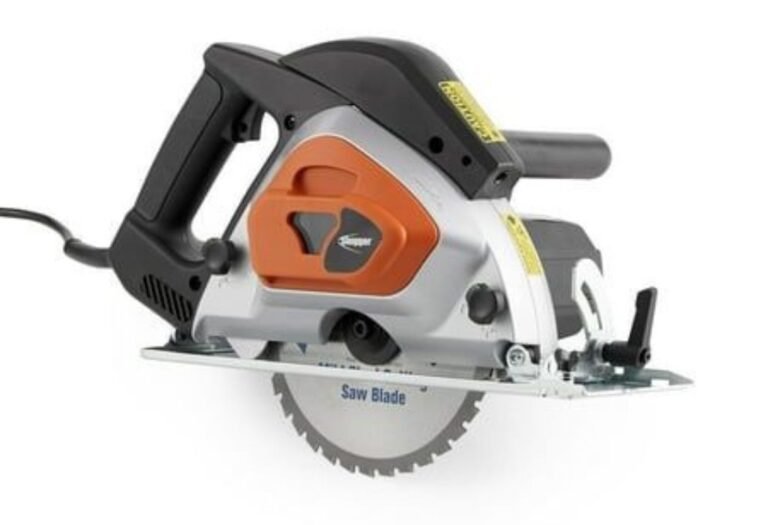
Circular Saw Blade Lifespan: How Long It Really Lasts
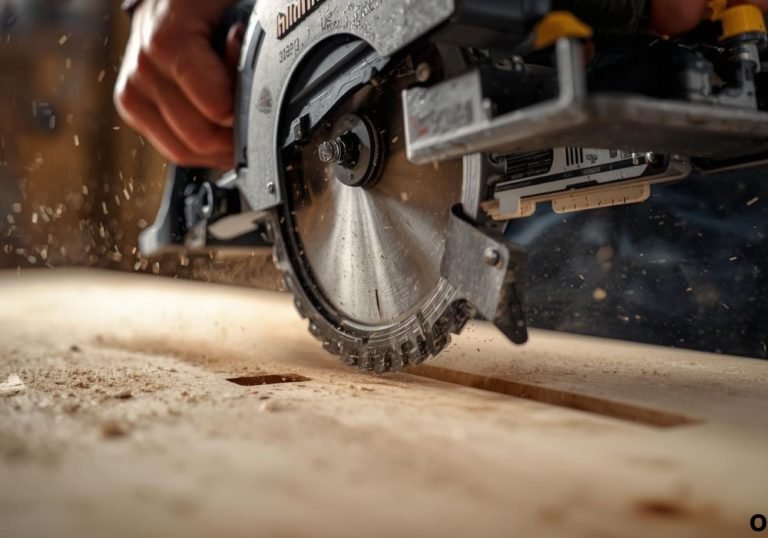
A sharp circular saw blade glides through wood like a hot knife through butter. But once it starts to smoke, burn, or tear instead of slicing cleanly, you know the question is coming — how long does a circular saw blade last?
The answer depends on far more than just the brand or price. Every cut, every material, and every cleaning habit adds or removes hours from a blade’s life.
Most professionals agree that an average carbide-tipped blade can last anywhere from 80 to 120 cutting hours, while cheaper steel blades might fade after just 20 to 40 hours. With proper use and care, that difference could mean hundreds of extra cuts before replacement.
Let’s break down what affects lifespan, the warning signs of dullness, and how to keep your blades sharp and reliable for years.
How Long Does a Circular Saw Blade Last
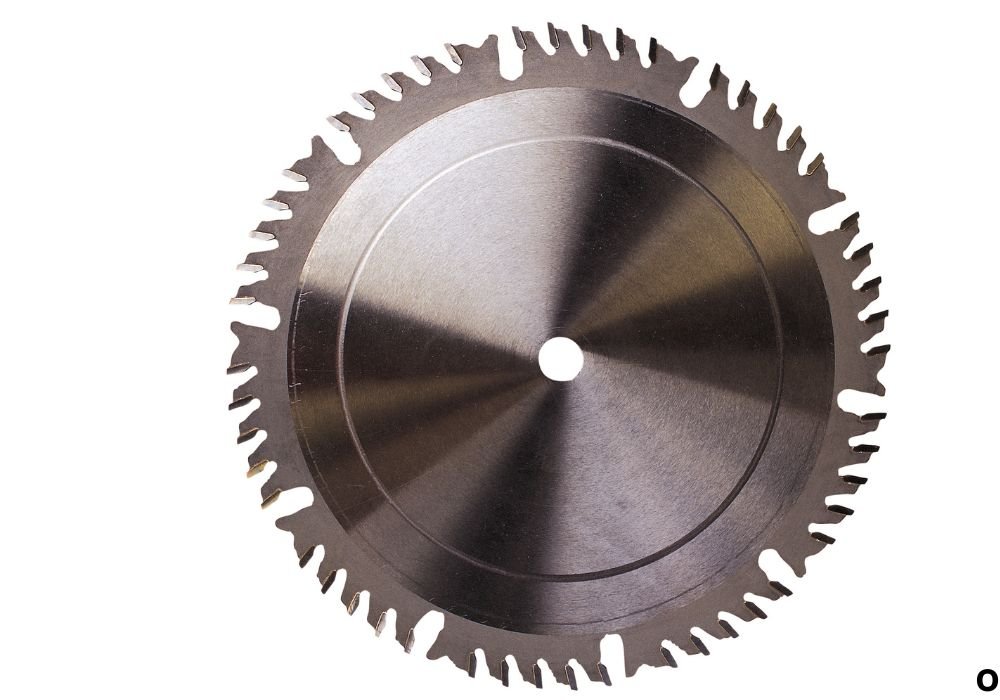
There’s no single number that fits all, because blade life depends on usage and materials. For a professional who cuts hardwood daily, a good carbide blade might last a few months. For a DIY user, it could last for years.
On average:
- Steel blades: 20–40 cutting hours
- Carbide-tipped blades: 80–120 cutting hours
- Diamond-tipped blades: 100–150 hours
That lifespan can double or halve depending on how the blade is handled and what it’s cutting.
Typical Lifespan by Material Type
Wood blades last longest when used on dry, clean lumber. Rough or resinous wood wears teeth faster.
Metal-cutting blades endure higher friction and heat, reducing their usable life to about 15–60 hours.
Masonry or concrete blades face the harshest resistance and often last only 10–30 hours before noticeable dullness.
The harder the material, the shorter the blade life — unless the blade is designed specifically for it.
Signs That a Circular Saw Blade Needs Replacing
A circular saw blade rarely fails suddenly; it shows warning signs first.
If you notice burn marks on wood, that’s heat buildup from dull teeth. When you feel increased vibration, it’s usually imbalance or tooth wear.
Rough or splintered cuts, loud whining sounds, and slower feed rates are also clear indicators that your blade’s edge has lost its bite.
Ignoring these symptoms not only ruins your material — it also stresses your saw motor and shortens its life.
How to Test Blade Sharpness Safely
Always disconnect the saw before checking. Rotate the blade by hand and inspect the teeth closely. If edges look rounded or shiny instead of crisp, it’s dull.
A gentle fingertip test with gloves can reveal nicks or worn carbide tips. Comparing a new blade side-by-side makes the dullness obvious.
If the saw feels like it’s fighting the cut, it’s time for sharpening or replacement.
Factors That Affect Blade Lifespan
Many factors shorten or extend a blade’s life — and some are completely within your control.
- Material hardness: Dense woods and metals dull blades faster.
- Feed rate: Forcing the saw overheats teeth and burns edges.
- Cleanliness: Pitch and resin buildup trap heat.
- Blade quality: Cheap steel dulls quickly; carbide lasts longer.
- Cooling and ventilation: Overheated blades warp and lose tension.
Small habits, like letting the saw cut naturally and cleaning after use, make a huge difference over time.
Role of Blade Coating and Tooth Design
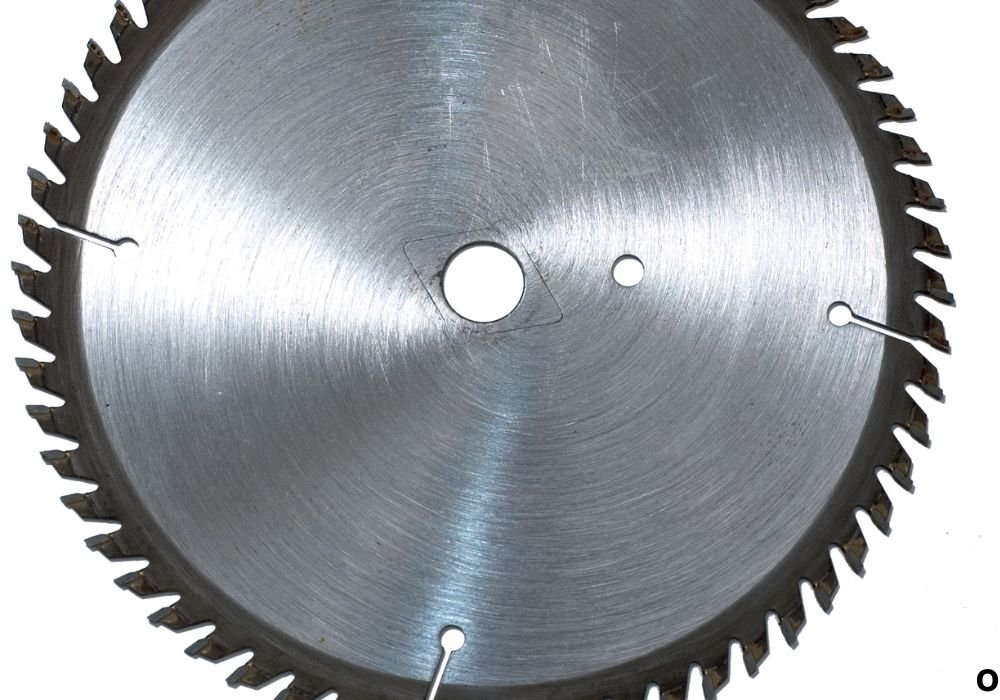
Modern blades come with specialized coatings that reduce friction and heat. Non-stick or Teflon finishes prevent pitch buildup, while titanium coatings improve durability.
Tooth shape also affects longevity. Alternate-top-bevel (ATB) teeth create smoother cuts and distribute wear evenly. Carbide-tipped teeth last up to five times longer than plain steel ones.
These engineering details turn a basic tool into a long-lasting investment.
How to Extend the Life of Your Circular Saw Blade
A few maintenance steps can easily add months to your blade’s lifespan.
- Clean regularly: Use mild cleaner or pitch remover to clear resin.
- Match the blade to the material: Don’t cut metal with a wood blade.
- Avoid forcing cuts: Let the blade glide; pressure increases friction.
- Control blade depth: Only expose ¼ inch of tooth beyond the material.
- Store blades properly: Hang or lay flat to prevent warping.
Clean, well-maintained blades stay sharper longer and cut more efficiently.
Blade Sharpening vs. Replacement
Sharpening can often restore performance, especially for carbide-tipped blades. Most can be resharpened 8–10 times before tooth loss or breakage makes replacement necessary.
If the blade has missing teeth, cracks, or discoloration from overheating, it’s better to replace it. Steel blades are usually too cheap to justify sharpening.
Carbide blades, however, often cost more — and sharpening them professionally can save money in the long run.
How Cutting Technique Influences Blade Longevity
How you cut matters just as much as what you cut. Using proper form prevents stress and heat.
Keep the saw base flat and steady against the surface. Twisting or tilting during the cut creates side friction that dulls edges faster.
Let the blade reach full speed before it touches the material. Consistent feed pressure and shallow passes also help prevent overheating.
In short: precision equals preservation.
Comparing Blade Types and Durability
| Blade Type | Average Lifespan | Material | Typical Use |
| Steel | 20–40 hours | Basic wood | Budget, short-term |
| Carbide-Tipped | 80–120 hours | Hardwood, plywood | Long-lasting |
| Diamond-Tipped | 100–150 hours | Masonry, tile | Heavy-duty |
| Abrasive Disc | 10–30 hours | Metal, stone | Fast wear rate |
Carbide-tipped blades offer the best balance between cost and durability. Diamond blades lead in longevity but are reserved for masonry or concrete work.
Choosing the right blade for the job is the single easiest way to control lifespan.
Which Blade Offers the Best Value
If you mostly cut wood or plywood, carbide-tipped blades deliver unmatched performance for the price. They resist heat, stay sharper longer, and can be resharpened multiple times.
For professionals cutting masonry or tile, diamond-tipped blades justify their cost through endurance. Even though they cost more upfront, their lifespan often doubles that of steel alternatives.
The “best” blade is the one suited to your most frequent tasks — not necessarily the most expensive one.
Safety and Maintenance Practices
Proper maintenance keeps both the saw and the operator safe.
- Always unplug or remove the battery before blade changes.
- Check the arbor nut for tightness and cracks in the blade body.
- Avoid using damaged or rusted blades.
- Use a stable surface to prevent binding or kickback.
- After cutting, allow blades to cool before cleaning or storing.
These small safety habits extend lifespan while protecting both you and your tools.
Troubleshooting Common Blade Problems
Burning edges: Blade dull or gummed with resin. Clean or sharpen.
Wobbling or vibration: Bent blade or loose arbor. Replace or tighten.
Rough cuts: Incorrect tooth count or dull edge. Use a finer-tooth blade.
Slow cutting: Too much feed pressure or worn teeth. Let the saw do the work.
Smoke or odor: Overheating. Reduce speed or depth, and allow cooling.
Addressing small issues early prevents damage to both blade and motor.
FAQs About Circular Saw Blade Lifespan
How do I know when to replace my blade?
When you notice burning, rough edges, or excessive vibration.
Can a dull blade damage my saw?
Yes. It forces the motor to work harder, causing heat and wear.
Does sharpening reduce lifespan?
Not if done properly. It actually extends the blade’s useful life.
How many times can I sharpen a carbide blade?
Usually between 8 and 10 times before the teeth shorten too much.
Do higher RPMs wear blades faster?
Not directly — overheating and poor technique cause most wear.
Can cleaning extend blade life?
Absolutely. Removing resin prevents friction and overheating.
Why do cheap blades dull quickly?
Low-quality steel and inconsistent tooth geometry reduce durability.
Is it safe to use a dull blade?
No. It can bind, kick back, or overheat, risking injury.
How should I store saw blades?
Hang vertically or keep flat in a dry, clean place.
Do cordless saws shorten blade life?
Not inherently — but low battery torque can strain dull blades.
Can heat damage carbide tips?
Yes. Excessive heat softens the bonding material holding the teeth.
Are thin-kerf blades less durable?
They cut faster but flex more easily, wearing quicker on tough material.
What’s the best cleaner for pitch buildup?
Citrus-based or mild degreasing solutions work well.
How often should professionals replace blades?
Every few weeks of daily use or sooner if cutting dense hardwoods.
Conclusion – Keep Every Cut Sharp and Efficient
Circular saw blades are small but mighty — and like any cutting edge, their life depends on how they’re treated. A clean, well-chosen blade can outlast a cheap one by hundreds of cuts.
Understanding how long a circular saw blade lasts helps you plan maintenance, prevent costly mistakes, and maintain the quality of every project.
The formula is simple: choose wisely, cut correctly, and care consistently. A sharp blade rewards you with smoother cuts, longer tool life, and a safer workshop.

I’m Michael R. Turner, the founder, lead writer, and passionate DIY enthusiast behind 101diytools.com. With years of hands-on experience in home improvement and power tools, I built this platform to share practical tips, in-depth guides, and honest reviews to help DIYers of all skill levels tackle projects with confidence and the right tools.