How to Identify a Good Quality Circular Saw Easily
Every craftsman knows the difference between a saw that glides through wood like butter and one that fights every inch of the cut. One delivers precision and satisfaction; the other wastes time and effort. The difference almost always lies in one key factor — quality.
A good quality circular saw is more than a spinning blade. It’s a balanced, powerful, and reliable tool that combines speed, control, and accuracy. Yet with countless brands and designs on the market, finding a truly well-made one can feel confusing.
Cheap saws may look strong on the outside but often hide weak motors, flimsy bases, and blades that dull within days. A premium saw, by contrast, feels solid, runs smoothly, and produces clean, straight cuts under load.
Studies in tool performance show that nearly 60 percent of circular-saw issues come from poor materials or imbalance. A quality saw avoids these flaws through strong engineering, superior components, and thoughtful ergonomics.
In this guide, you’ll learn exactly how to identify a good quality circular saw—from build and motor performance to blade precision and balance—so you can choose a tool that performs flawlessly for years.
What Defines a Good Quality Circular Saw
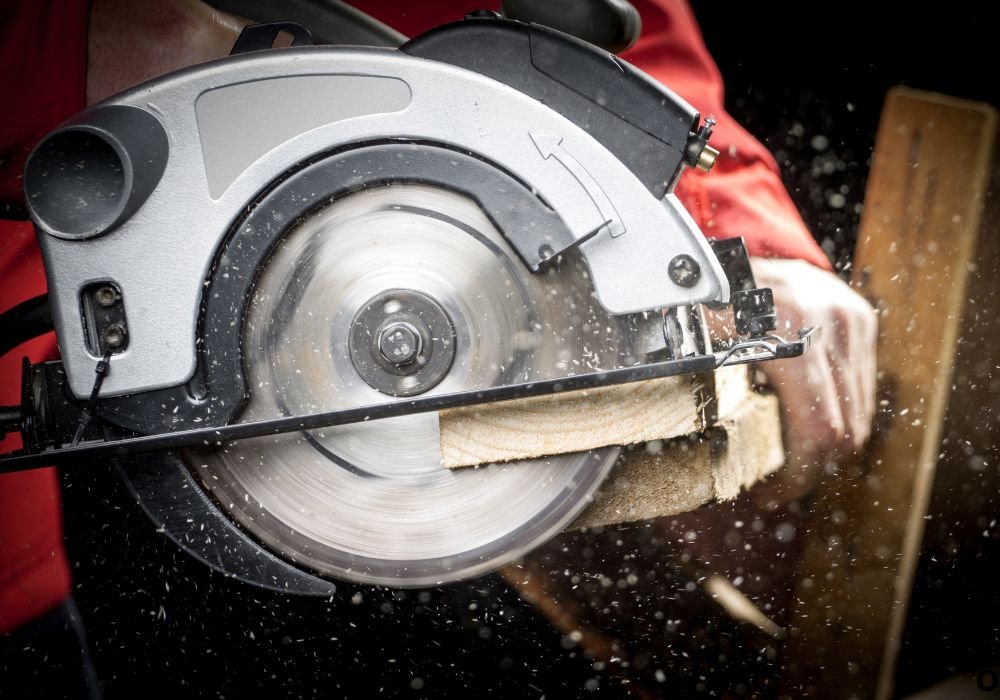
A good circular saw blends power, stability, and precision. It should deliver consistent torque, spin at high RPMs, and maintain balance through every cut.
High-quality saws have tight tolerances, meaning their internal parts fit together perfectly. This precision reduces vibration and keeps cuts straight.
You’ll notice a solid feel when you pick it up—no rattling, no loose guards, and no excessive flex in the housing. Every component should feel engineered, not assembled cheaply.
Examine the Build and Material Quality
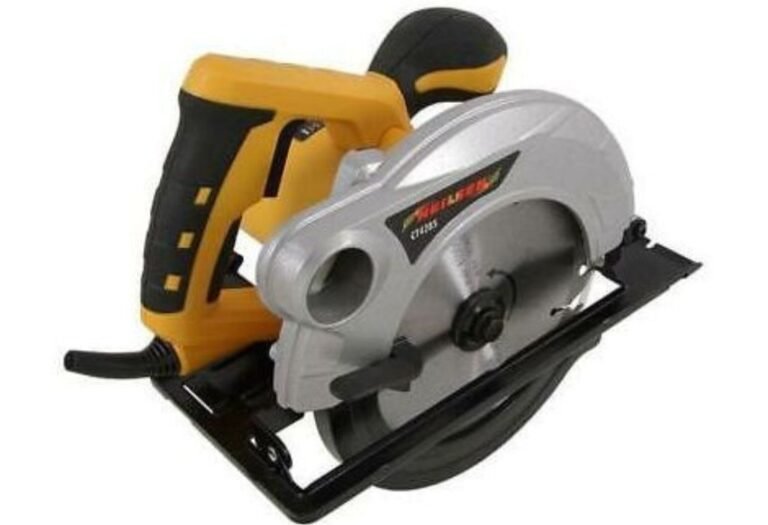
The construction of the saw tells you a lot about its durability. Look for a magnesium or aluminum housing, which provides strength without unnecessary weight.
Avoid models with thin plastic bodies that flex under pressure. The base plate—or shoe—should be rigid and sit perfectly flat on your work surface.
Handles should have rubberized grips that feel comfortable and absorb vibration. Adjustment levers, bevel locks, and blade guards should move smoothly but hold firmly once set.
If the saw vibrates, creaks, or rattles when you shake it lightly, it’s likely built from low-grade components that won’t last under real workload.
Check Motor Power and RPM Performance
The motor is the heart of any circular saw. A quality saw motor runs smoothly, accelerates quickly, and maintains speed under heavy load.
For corded models, look for 12–15 amps of power; for cordless, 18–20 volts minimum. These ratings ensure enough torque for clean, effortless cuts.
The best saws maintain consistent RPM between 4,500 and 6,000. Consistency matters more than peak speed—it prevents burning, chipping, and stalling.
A well-designed motor also includes overload or thermal protection, preventing overheating during long sessions and extending its lifespan.
Evaluate Blade Quality and Compatibility
The blade determines how clean and accurate your cuts will be. A good circular saw should support carbide-tipped or tungsten blades that stay sharp longer.
Look for laser-cut, vibration-free blades with uniform teeth spacing. High-quality blades spin silently and cut smoothly without wobble.
Check the arbor hole for perfect alignment and a snug fit on the shaft. If it wobbles even slightly, precision will suffer.
A professional-grade saw also allows for multiple blade types—wood, metal, or masonry—showing compatibility and strength in the arbor assembly.
Inspect Cutting Accuracy and Depth Adjustment
A true sign of quality is how accurately a saw can cut across different materials. The base plate must stay flat and perfectly aligned with the blade.
Test the depth adjustment mechanism; it should move smoothly but lock solidly in place. Loose or sticky controls are red flags.
Check for bevel adjustment accuracy—a quality saw maintains exact angles without slipping. Built-in guides, clear markings, and precise detents make angle cutting reliable.
Some modern saws feature laser or LED cut guides, enhancing visibility for fine work. While not mandatory, they reflect thoughtful engineering.
Balance, Weight, and Ergonomics
Comfort and balance directly affect accuracy. A good circular saw feels balanced in both hands, not front- or rear-heavy.
The ideal weight range is 8–10 pounds for corded and slightly higher for cordless models. Heavy saws reduce agility; overly light ones often vibrate more.
Well-placed handles help distribute pressure evenly, keeping your wrist neutral during long cuts. A padded main handle and auxiliary grip improve control.
Reduced vibration also means fewer mistakes and less fatigue—both signs of a carefully engineered, high-quality tool.
Safety Features Indicating a Quality Saw
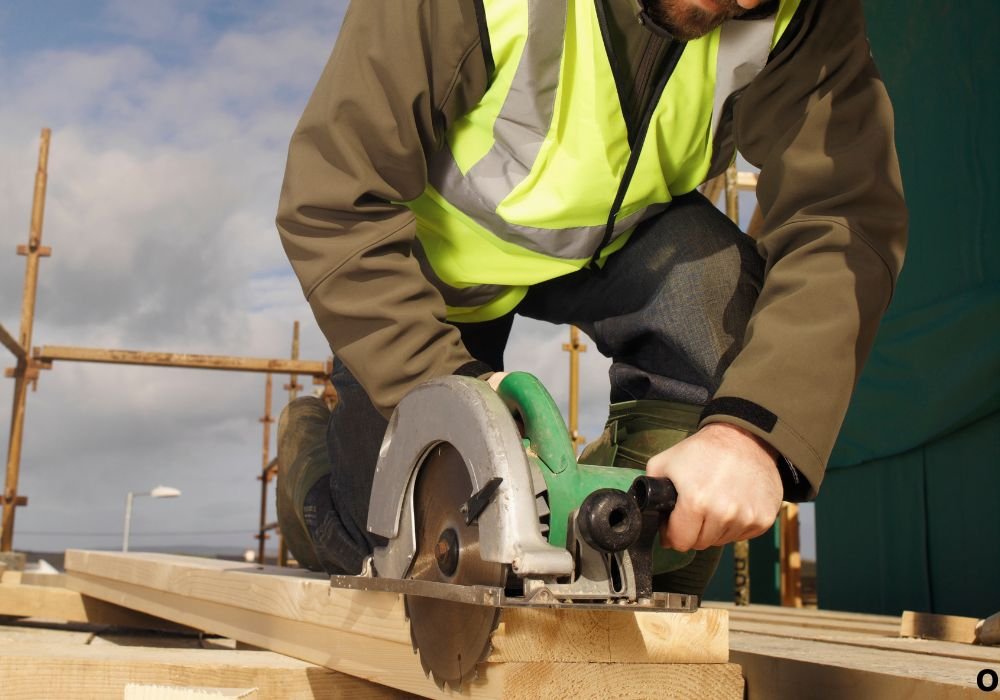
A great circular saw always integrates smart safety features. Automatic blade guards that retract and return smoothly protect the user without interrupting workflow.
An electric brake stops the blade within seconds of releasing the trigger, preventing accidents and saving time between cuts.
Trigger locks prevent accidental startups, and dust-blowing or extraction ports keep your cut line clear.
Lastly, check for certified safety markings like UL or CE labels—proof that the tool meets international safety and reliability standards.
Check Brand Reputation and Warranty
While brand alone doesn’t guarantee excellence, established manufacturers tend to have stricter quality control.
Reputable brands test their tools under heat, load, and vibration to ensure durability. They also provide longer warranties—often 2 to 5 years—which signals confidence in their engineering.
Before buying, read real-user reviews that discuss long-term reliability, not just initial impressions. Consistency over time separates a true quality saw from a flashy budget tool.
Real-World Testing Methods Before Buying
Never rely on specs alone—test the saw in person if possible. Start the motor and listen for smooth acceleration and steady sound. A rattling or high-pitched whine often means cheap bearings.
Hold the saw at working height to judge comfort and balance. A good one feels natural and steady, with no twisting when you lift it.
If allowed, perform a sample cut. Watch for vibration, motor strain, and whether the blade tracks straight without forcing. These physical tests reveal far more than the box label ever will.
Common Signs of a Low-Quality Circular Saw
Identifying warning signs early saves money and frustration later.
- Excessive vibration or noise during idle spin.
- Wobbling base plate or uneven shoe surface.
- Plastic components that flex under light pressure.
- Loose or sticky blade-guard mechanisms.
- Short warranty or no service support.
Low-quality saws often overheat quickly, struggle through dense wood, and leave rough edges behind. Those are clear indicators of inferior construction.
Frequently Asked Questions
What power rating should a good circular saw have?
At least 12 amps for corded or 18 volts for cordless models ensures solid torque.
Are brushless motors better for durability?
Yes. Brushless motors produce less friction and heat, extending lifespan significantly.
How can I tell if a blade is high-quality?
It should feel heavy, perfectly flat, and produce little vibration when spun by hand.
Do lightweight saws mean lower quality?
Not necessarily—magnesium bodies can be both light and extremely strong.
How long should a good circular saw last?
With regular maintenance, 5–10 years of daily or weekly use is typical.
What’s the best RPM range for accurate cuts?
Between 4,500 and 6,000 RPM keeps cuts clean without burning the material.
How can I spot fake or poor-quality brands?
Suspiciously low prices, missing certifications, and vague product specs are major clues.
Are cordless circular saws reliable?
Modern brushless cordless models rival corded ones for most cutting tasks.
What maintenance keeps a saw lasting longer?
Clean dust, lubricate moving parts, and store blades flat after every job.
Conclusion – Choosing Precision Over Price
A good quality circular saw isn’t defined by how shiny it looks or how cheap it sells. It’s defined by its performance, precision, and reliability over time.
From balanced weight and strong materials to powerful motors and fine-tuned blades, every part contributes to its excellence. A well-built saw feels confident in your hands and stays true through every cut.
Buying quality once saves you from buying twice. When choosing your next saw, look beyond marketing claims and trust the details—balance, build, and performance never lie.
A truly good circular saw isn’t just a tool; it’s a partner in every project, built to deliver smooth cuts, safety, and satisfaction for years to come.

I’m Michael R. Turner, the founder, lead writer, and passionate DIY enthusiast behind 101diytools.com. With years of hands-on experience in home improvement and power tools, I built this platform to share practical tips, in-depth guides, and honest reviews to help DIYers of all skill levels tackle projects with confidence and the right tools.