Why Is It Called a Circular Saw?
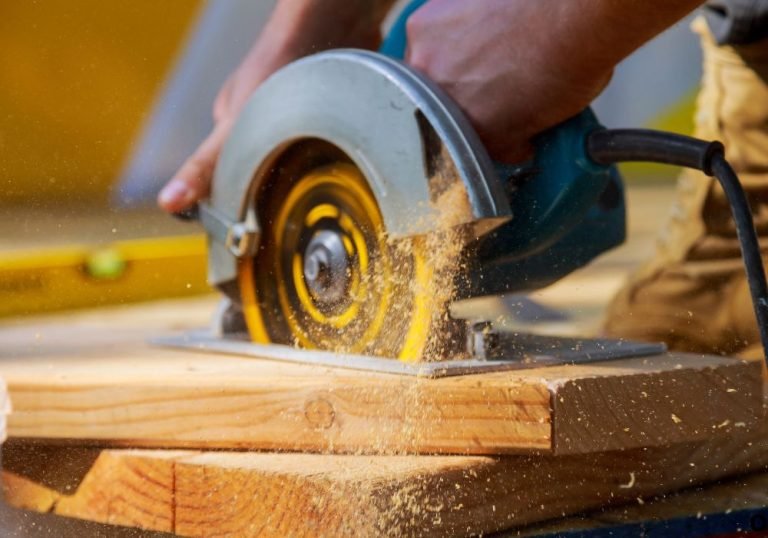
Imagine walking into a workshop filled with the steady hum of spinning blades and the scent of freshly cut wood. Among all those tools, one stands out — a saw with a perfectly round, spinning blade slicing effortlessly through lumber.
That iconic shape gives the tool its name: the circular saw. Its design revolutionized woodworking by replacing back-and-forth sawing with smooth, continuous rotation.
When the first circular saw appeared in the late 18th century, it changed everything about how craftsmen worked. Instead of sawing laboriously by hand, they could now cut faster, straighter, and with less effort.
According to tool historians, the circular saw became the foundation of modern power-cutting tools, inspiring everything from table saws to chop saws and track saws.
In this article, you’ll discover why it’s called a circular saw, how it evolved, how it works, and why its name perfectly reflects both its shape and its revolutionary impact.
The Origin of the Name “Circular Saw”
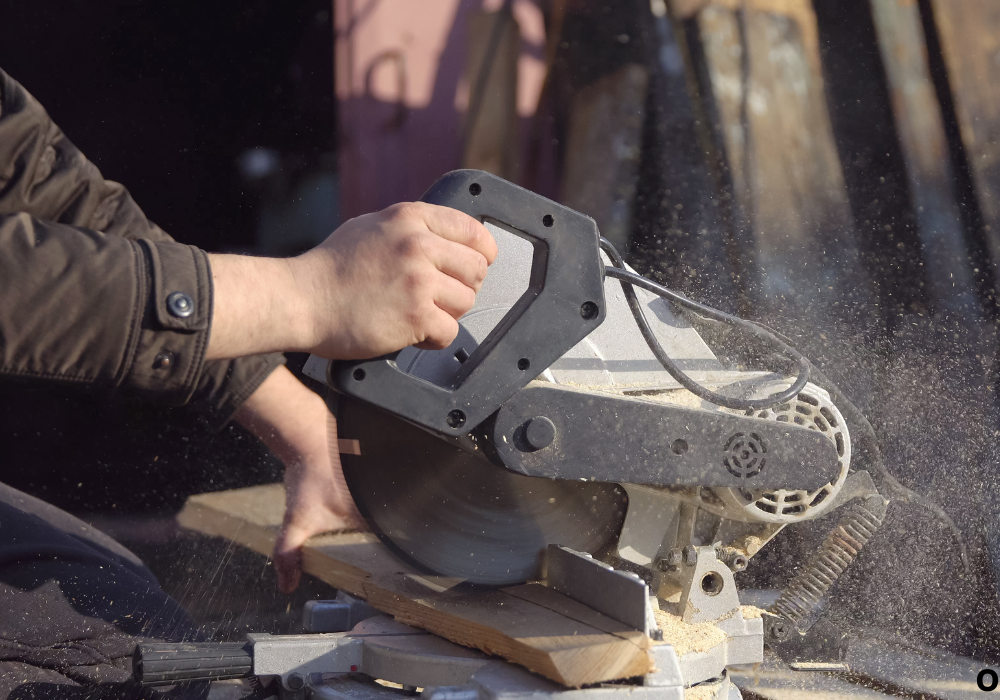
The name comes directly from its defining feature — a circular-shaped blade that spins rapidly to cut through material. Unlike traditional hand saws with straight blades, the circular saw uses rotational motion to create a continuous cutting edge.
The word circular simply refers to the blade’s round geometry, while saw refers to its cutting teeth. Together, the term describes a tool that cuts using a circular motion rather than a push-and-pull stroke.
This design allows for uninterrupted motion, which is more efficient and produces smoother cuts. The constant rotation also reduces fatigue and increases productivity.
So the name “circular saw” isn’t just descriptive — it represents a leap in how humans harnessed motion and mechanics to make cutting faster and more precise.
A Brief History of the Circular Saw
The concept of the circular saw dates back to the late 1700s. Early records credit Tabitha Babbitt, a Shaker woman from Massachusetts, with developing one of the first spinning saw blades in 1813.
She observed how hand saws wasted effort because they cut only on the forward stroke. To solve this, she attached a circular blade to a spinning wheel, creating the world’s first powered cutting saw.
By the 1820s, industrial wood mills across America and Europe began adopting similar designs powered by water wheels and steam engines.
Later, smaller, portable versions appeared in the late 19th century, paving the way for the handheld circular saws we use today.
The evolution from static blades to rotating discs reshaped industries, making mass production of lumber and furniture faster and more efficient than ever before.
The Science Behind the Circular Blade
The reason the blade is circular is rooted in mechanics and physics. A rotating disc provides continuous cutting contact with the material, allowing smoother motion and even wear on the teeth.
A circular shape maintains balance and stability at high speeds, minimizing vibration and wobble during cutting. Straight blades would bend or bind if spun at the same velocity.
This shape also makes sharpening and replacement easier since each tooth shares the workload evenly across the rotation.
The circular design is therefore both a structural and functional innovation, not just a matter of style.
The circular saw’s power and precision come directly from this efficient rotational motion that defines its name.
How a Circular Saw Works
A circular saw operates by using an electric motor to spin a round toothed blade at high speed, usually between 4,000 and 6,000 revolutions per minute (RPM).
As the blade spins, its sharp teeth cut through the material’s surface, removing small chips with every rotation.
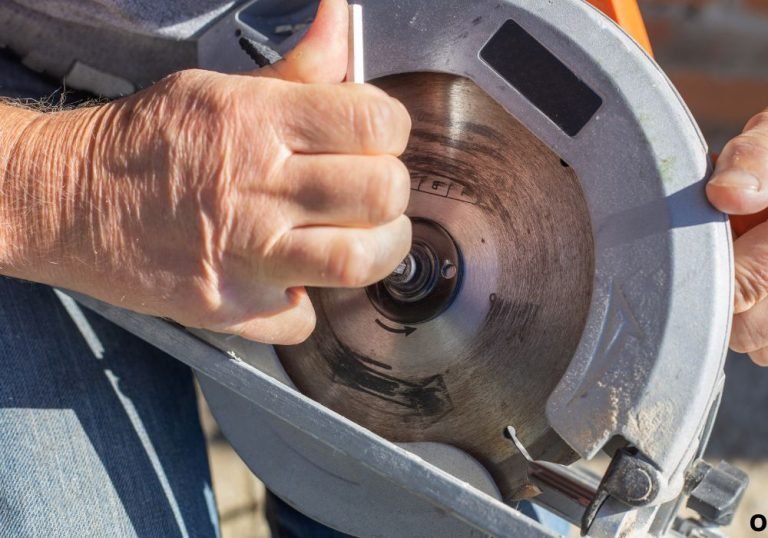
The cutting depth can be adjusted by changing how far the blade extends below the base plate. Angled cuts are possible by tilting the saw’s base, known as a bevel adjustment.
This flexibility allows users to make rip cuts, crosscuts, and bevel cuts across wood, metal, plastic, and more.
The combination of shape, speed, and precision makes the circular saw one of the most efficient cutting tools ever created.
Why the Circular Design Was Revolutionary

Before circular saws, cutting wood was slow and exhausting. Workers had to drag hand saws back and forth repeatedly, wasting energy on non-cutting return strokes.
The circular motion eliminated that inefficiency entirely. Each spin of the blade performs continuous cutting without pause, saving both time and labor.
The round blade also allowed for easier mechanization. It could be connected to spinning shafts powered by water wheels, steam engines, and later electric motors.
This shift from manual to powered circular motion increased lumber output dramatically during the Industrial Revolution.
In short, the circular blade turned sawing from muscle work into machine work — and that transformation gave the tool its enduring name.
Different Types of Circular Saws
Over time, the term “circular saw” has expanded to include many different versions of the same concept.
The handheld circular saw is the most common, designed for portability and general-purpose cutting. Table saws mount the blade under a flat surface, allowing more control for precise, repeated cuts.
Miter saws rotate the circular blade on a pivot arm to make angled cuts, while track saws slide along a guide rail for long, straight lines.
There are also worm-drive and sidewinder circular saws, which differ based on motor position and torque.
All these variations share the same core idea: a rotating circular blade doing continuous work — the reason behind the name.
The Meaning of “Circular” Beyond Shape
The word “circular” doesn’t only describe the blade’s form but also symbolizes its continuous motion.
Every tooth of the blade returns to the same point, creating a never-ending cycle of cutting — a mechanical rhythm that feels almost alive.
This concept mirrors efficiency and repetition, key traits in modern manufacturing and craftsmanship.
The word captures the essence of progress — how rotation became a metaphor for unstoppable movement and productivity.
So when we call it a circular saw, we’re acknowledging both its physical form and its endless motion.
The Impact of the Circular Saw on Industry
The invention of the circular saw transformed woodworking forever. Lumber mills became faster, production lines more efficient, and workers more productive.
Factories could now cut planks, beams, and panels with consistent accuracy that hand tools could never achieve.
This innovation also inspired other tools — from band saws to metal-cutting machines — that followed the same rotational principle.
Even today, nearly every major power-cutting tool traces its mechanical roots to the circular saw.
Its impact extends beyond carpentry — into construction, engineering, and manufacturing — where spinning blades remain the standard for precision cutting.
How the Circular Saw Influenced Modern Tools
The same circular-blade design inspired countless modern tools. Miter saws, table saws, chop saws, and even concrete cutters are all direct descendants of the original circular saw.
Each one takes the same principle — a round, spinning blade — and adapts it for specific materials and angles.
Cordless and compact versions now make it possible to bring that power anywhere, from a home garage to a construction site.
This adaptability is why the circular saw’s name has endured for over 200 years.
It represents a concept so effective that it remains relevant across generations and technologies.
Advantages of the Circular Design
Circular saws combine efficiency, accuracy, and strength in one compact package. The round blade distributes pressure evenly, resulting in smoother cuts.
It also allows for higher RPMs compared to other blade shapes, giving faster, cleaner results.
Circular blades are safer to handle than long, flexible ones, as they’re easier to balance and control.
They’re easier to sharpen since every tooth wears evenly over time.
In essence, the circular design makes both the tool and the process of cutting simpler, faster, and more reliable.
FAQs
1. Why is it called a circular saw?
Because it uses a circular, spinning blade instead of a straight one, allowing continuous cutting motion.
2. Who invented the circular saw?
Tabitha Babbitt is often credited with creating the first circular saw design around 1813.
3. Why not use a straight blade?
Straight blades can’t spin at high speeds without bending or binding, while circular ones stay balanced.
4. When was the first portable circular saw made?
The first handheld circular saws appeared in the early 1900s, making them accessible outside factories.
5. What materials can circular saws cut?
Wood, metal, plastic, concrete, and even tile — with the right blade type.
6. What does RPM mean in a circular saw?
Revolutions per minute, referring to how fast the blade spins.
7. What’s the difference between a circular saw and a miter saw?
Both use circular blades, but a miter saw pivots to make angled cuts, while a circular saw moves straight.
8. Why are circular saws more efficient than hand saws?
They cut continuously in both directions, unlike hand saws that cut only on forward strokes.
9. Can a circular saw be used for fine woodworking?
Yes, when equipped with a fine-tooth blade and guided with precision.
10. What is the main advantage of a circular shape?
It provides consistent motion, balance, and reduced vibration during cutting.
11. Why is it important that the blade stays balanced?
A balanced blade spins smoothly at high speed, preventing wobble and uneven cuts.
12. Are circular saws still used in modern factories?
Yes, they remain fundamental in both woodworking and metal fabrication industries.
13. What powers a circular saw motor today?
Electricity, either from a corded connection or high-voltage lithium-ion batteries.
14. Why did the circular saw replace older hand tools?
It was faster, more efficient, and capable of handling larger materials with less effort.
15. How has the design improved in modern times?
Modern saws now use brushless motors, laser guides, and safety brakes while keeping the same circular-blade principle.
Conclusion
The circular saw earned its name from its defining characteristic — a round, rotating blade that never stops moving.
That simple yet powerful design transformed how people cut wood and other materials, turning craftsmanship into industrial precision.
Its invention marked the birth of mechanical sawing, setting the stage for every power tool that followed.
More than two centuries later, the name “circular saw” still perfectly describes the idea that revolutionized construction, woodworking, and modern craftsmanship.
It’s not just called a circular saw because of its shape — it’s called that because it symbolizes endless motion, innovation, and the human drive to make work faster and smarter.

I’m Michael R. Turner, the founder, lead writer, and passionate DIY enthusiast behind 101diytools.com. With years of hands-on experience in home improvement and power tools, I built this platform to share practical tips, in-depth guides, and honest reviews to help DIYers of all skill levels tackle projects with confidence and the right tools.