What Is a Sidewinder Circular Saw and How It Works
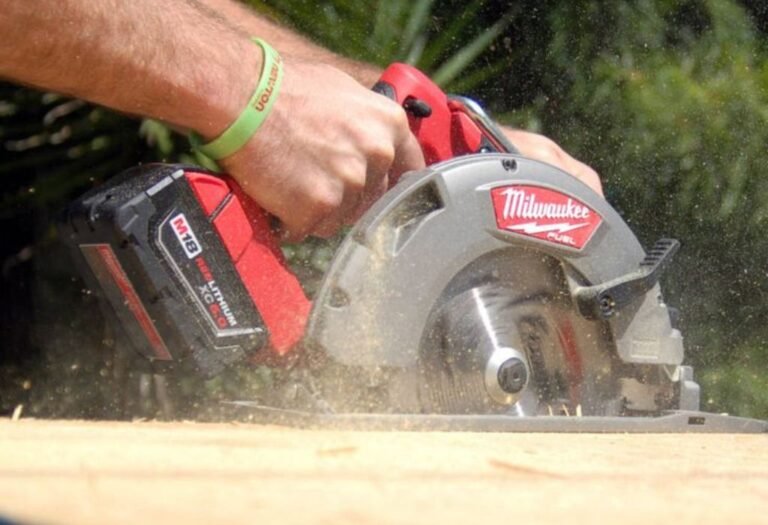
Every woodworker remembers the first time they guided a circular saw through a plank of wood — the vibration, the speed, and the perfect line that followed. Among the many saw types, one model stands out for its light weight, fast performance, and precision: the sidewinder circular saw.
Unlike heavier worm-drive designs, this saw feels compact and responsive. The name sidewinder comes from the placement of its motor — mounted beside the blade instead of behind it. This side-mounted layout allows the blade to spin at incredibly high speeds, delivering quick, smooth, and accurate cuts.
Studies in tool ergonomics show that direct-drive saws like sidewinders can reach between 5,000 and 6,000 RPM, roughly 20 percent faster than worm-drive models. This speed, combined with perfect weight distribution, makes the sidewinder the most common circular saw found on job sites and in workshops around the world.
Understanding what a sidewinder circular saw is — and how it works — gives insight into why it remains the go-to choice for contractors and hobbyists alike. It’s the perfect mix of power, portability, and precision.
Understanding the Sidewinder Circular Saw
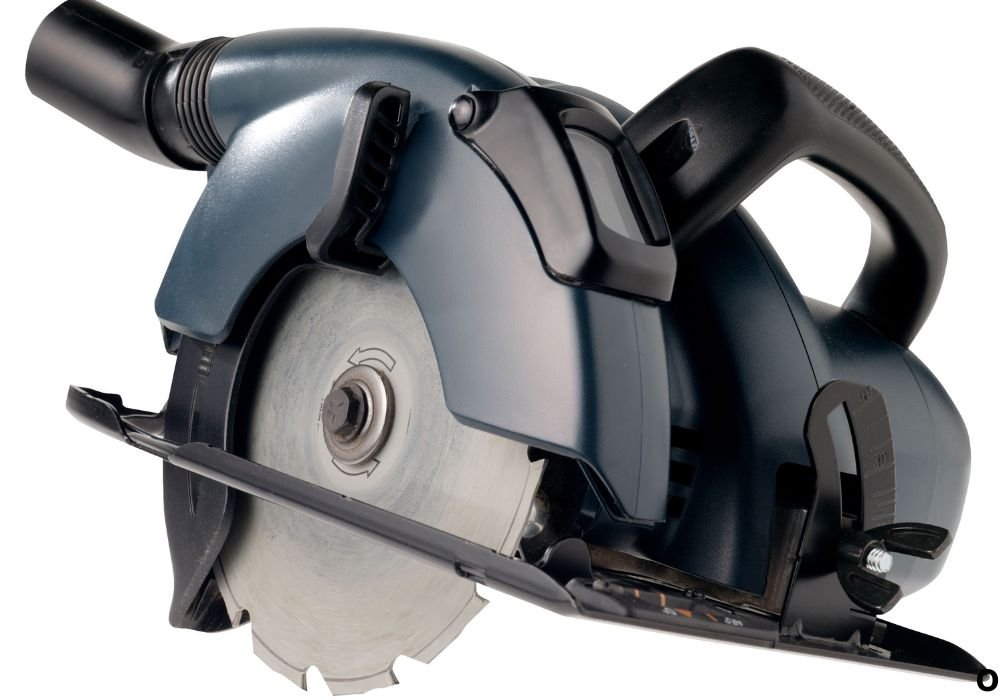
A sidewinder circular saw is a hand-held, direct-drive power saw used primarily for cutting wood, plywood, and sheet materials. The defining feature is its motor positioned parallel to the blade, driving the arbor directly through spur gears.
Because the motor is aligned with the blade, the energy transfer is efficient, giving it higher blade speed and lower torque compared with worm-drive saws. This design makes the tool lighter, faster, and easier to control, especially for overhead and repetitive cuts.
Most sidewinders weigh between 8 and 10 pounds, far less than the 12-to-15-pound worm drives. The lighter weight makes them perfect for quick cuts, framing, or trimming — where maneuverability matters more than brute power.
How It Got the Name “Sidewinder”
The name isn’t a marketing gimmick — it’s descriptive. The motor winds from the side of the blade, allowing a compact, “side-mounted” shape. In contrast, a worm-drive saw’s motor sits behind the blade and uses angled gears.
This sidewinder configuration shortens the body, lowers weight, and lets the user see the cut line clearly, improving accuracy and comfort during long sessions.
How a Sidewinder Circular Saw Works
At its core, the sidewinder is built for direct, fast energy transfer. The electric motor’s shaft connects directly to the arbor, the steel rod holding the blade. When the trigger is pressed, electricity spins the motor at thousands of revolutions per minute, turning the blade through spur gears.
This direct-drive mechanism eliminates complex gear angles, reducing energy loss and mechanical friction. The result is high RPM and minimal maintenance.
As the blade spins, centrifugal force keeps it stable, and the user’s downward pressure ensures contact with the workpiece. Balanced housing and handle placement prevent tipping, while built-in guards protect against kickback and debris.
Some modern sidewinders include electronic feedback systems that maintain consistent blade speed under load, ensuring smooth performance through dense materials.
Internal Components and Their Roles
- Motor Housing: Encases the electric motor, often vented for cooling.
- Spur Gears: Connect the motor shaft directly to the blade arbor.
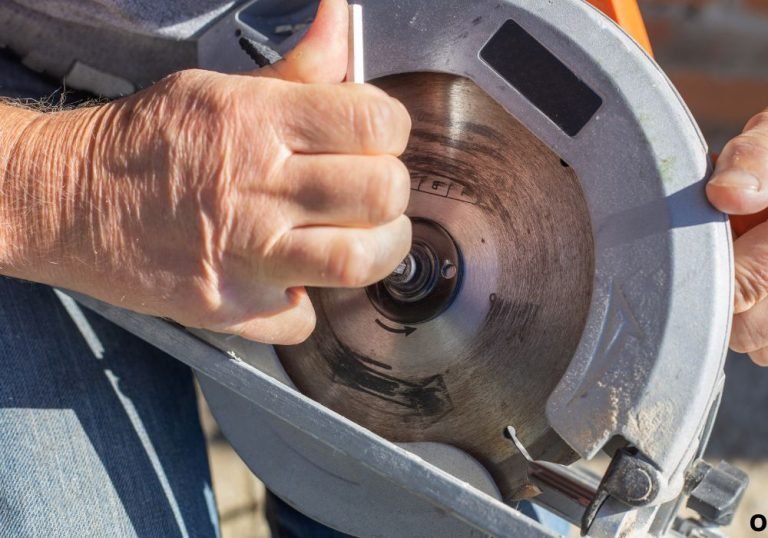
- Arbor (Shaft): Central rod that holds the blade securely in place.
- Base Plate (Shoe): Keeps the saw steady on the material surface.
- Blade Guard: Automatically covers the blade when not cutting.
- Handle and Trigger: Provide control and start the motor.
Each part works together to maintain balance, control, and safety, turning electrical energy into precise cutting motion.
Key Features and Design Benefits
The sidewinder’s strength lies in its simplicity. Every design element focuses on speed, balance, and efficiency.
- Lightweight Build: The side-mounted motor reduces weight without sacrificing durability.
- High Blade Speed: Most sidewinders deliver between 5,000 and 6,000 RPM, ensuring clean cuts with minimal tear-out.
- Compact Shape: Ideal for confined spaces and overhead cutting.
- Ergonomic Handles: Balanced grip reduces wrist strain and fatigue.
- Low Maintenance: Fewer moving parts mean less wear and fewer breakdowns.
Together, these traits make the sidewinder perfect for both professionals and DIYers who prioritize convenience and precision.
Performance and Precision
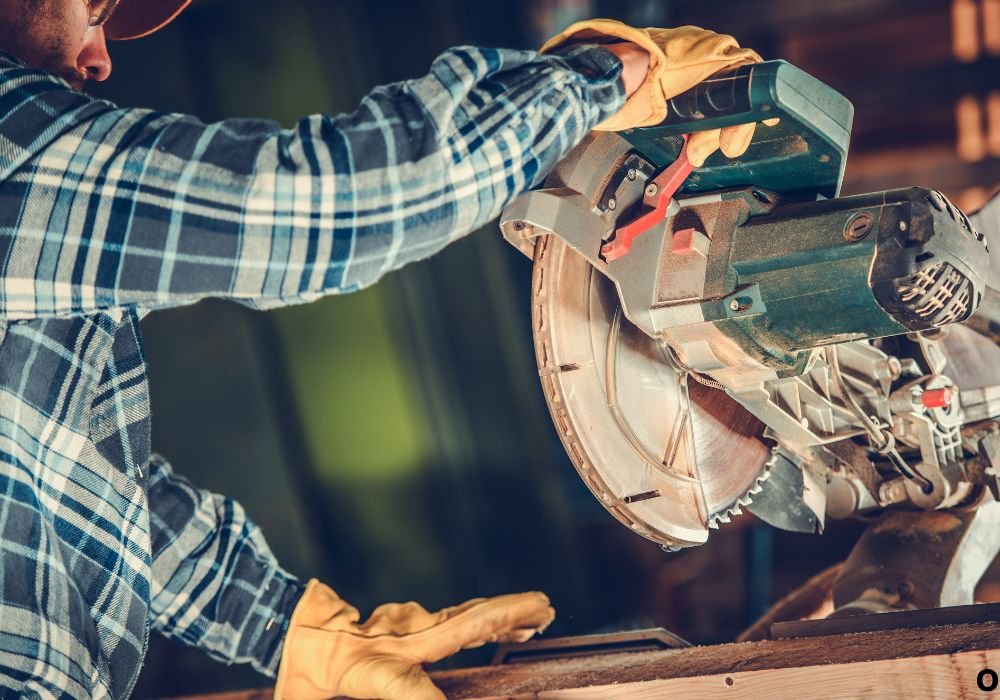
Sidewinders are known for their quick acceleration and smooth control. Because of their direct-drive design, they respond instantly to trigger pressure.
The balanced center of gravity keeps the saw stable even when cutting long boards. The fast-spinning blade reduces chip buildup, giving a clean, splinter-free finish — essential for finish carpentry or cabinetry work.
Sidewinder vs. Worm-Drive Circular Saw
Both tools serve the same purpose — cutting — but they approach it differently.
| Feature | Sidewinder | Worm Drive |
| Motor Position | Beside blade | Behind blade |
| Drive Type | Direct (spur gears) | Angled (worm gears) |
| Speed (RPM) | 5,000–6,000 | 4,000–4,500 |
| Torque | Moderate | High |
| Weight | Lighter (8–10 lbs) | Heavier (12–15 lbs) |
| Maintenance | Minimal | Requires oiling |
| Use Case | Framing, finishing, trimming | Heavy-duty ripping |
Sidewinders excel in speed, precision, and comfort, while worm drives dominate in torque-intensive cutting, such as thick hardwood or framing lumber.
For most homeowners and light-to-medium professionals, a sidewinder offers the perfect balance between portability and power.
Choosing Between Them
Choose a sidewinder if you need:
- Speed and agility
- Overhead or repetitive cutting
- Lightweight control for long sessions
Choose a worm-drive if you need:
- Extra torque for thick lumber
- Longer cuts through dense material
- A heavier, slower, more powerful saw
Applications of a Sidewinder Circular Saw
Sidewinders are versatile and widely used in:
- Home renovation projects such as flooring, roofing, and framing
- Furniture and cabinetry work for smooth, clean edges
- Carpentry and decking where precision and portability matter
- DIY projects like cutting sheet plywood or composite boards
Its compact frame allows accurate cuts even in tight spaces, making it perfect for both beginners and professionals.
Tips for Optimal Performance
- Choose the Right Blade: Use fine-tooth blades for plywood and coarse-tooth for framing.
- Secure the Workpiece: Always clamp the material before cutting.
- Let the Saw Do the Work: Avoid forcing the blade; steady pressure gives cleaner results.
- Check Depth Settings: Adjust blade exposure to about ¼ inch below the material.
- Regularly Clean the Blade: Resin buildup causes imbalance and rough cuts.
Safety and Maintenance Practices
A sidewinder may be simple, but it still demands respect. Follow these essentials:
- Wear protective gear: Safety glasses, ear protection, and gloves.
- Inspect before use: Check that the blade is tight and teeth are sharp.
- Avoid kickback: Keep both hands on the saw and stand to the side of the cut line.
- Cool-down periods: Allow the motor to rest between long cuts.
- Unplug before maintenance: Never change blades while connected to power.
Proper maintenance ensures not only longevity but also consistent balance and performance.
Troubleshooting Common Issues
Excessive vibration: Usually caused by a warped or dull blade; replace or balance it.
Motor overheating: Prolonged heavy use or clogged vents reduce airflow; clean vents regularly.
Blade binding: Occurs when the material pinches the blade; use supports or wedges to keep kerf open.
Uneven cuts: Check base-plate alignment and ensure the shoe sits flat on the work surface.
Power fluctuations: Inspect power cords or batteries for wear — steady current ensures consistent RPM.
Advantages of Using a Sidewinder Circular Saw
- Lightweight Design: Easier handling and less fatigue.
- Higher Blade Speed: Faster cutting for clean results.
- Compact Form: Ideal for overhead or tight-space work.
- Simple Maintenance: No gear oil, fewer moving parts.
- Affordable: Generally cheaper than worm drives.
- Easy for Beginners: Intuitive control and visibility over the cut line.
Sidewinders deliver the perfect blend of performance, convenience, and cost-effectiveness.
Limitations and When Not to Use One
While the sidewinder is incredibly capable, it isn’t ideal for every job:
- Lower Torque: Not suitable for very thick or wet lumber.
- Shorter Lifespan under Heavy Load: Direct-drive motors can heat faster.
- Less Durable for Industrial Use: Worm drives outperform sidewinders in continuous heavy framing.
Still, for 90 percent of everyday tasks, a sidewinder remains the most efficient and practical choice.
Frequently Asked Questions
Why is it called a sidewinder saw?
Because the motor “winds” from the side of the blade, not behind it.
Are sidewinders better than worm drives?
They’re lighter and faster, but worm drives provide more torque for tough lumber.
Can I cut metal with a sidewinder?
Yes, but only with specialized metal-cutting blades and proper safety gear.
Do cordless sidewinders have enough power?
Modern brushless models often match corded versions for standard tasks.
How fast does a sidewinder blade spin?
Between 5,000 and 6,000 RPM depending on model and power source.
What’s the ideal blade size?
Most sidewinders use a 7-¼ inch blade, suitable for general woodworking.
How do I maintain cutting balance?
Clean resin buildup and check blade alignment regularly.
Do professionals still use sidewinders?
Yes — many carpenters prefer them for framing and trim work due to speed.
How loud are they?
Typically 90–100 decibels; hearing protection is essential.
What’s their lifespan?
With care and cleaning, 5–10 years of reliable performance is common.
Conclusion – Speed, Balance, and Efficiency in One Tool
The sidewinder circular saw represents the perfect marriage of engineering simplicity and performance. Its direct-drive design eliminates unnecessary complexity, resulting in a tool that’s lightweight, powerful, and accurate.
By understanding what a sidewinder circular saw is and how it works, woodworkers can make smarter tool choices and achieve cleaner results with less effort. Whether cutting boards for a home project or framing a new structure, this saw delivers speed, balance, and precision that few other tools can match.
A sidewinder doesn’t just cut wood — it cuts time, weight, and effort. That’s why, decades after its invention, it remains the heartbeat of modern woodworking.

I’m Michael R. Turner, the founder, lead writer, and passionate DIY enthusiast behind 101diytools.com. With years of hands-on experience in home improvement and power tools, I built this platform to share practical tips, in-depth guides, and honest reviews to help DIYers of all skill levels tackle projects with confidence and the right tools.