What Is a Plunge Circular Saw and How It Works
Imagine marking a perfect rectangle on a sheet of plywood and realizing you can start cutting right from the middle. That’s when the plunge circular saw becomes your secret weapon.
Unlike a regular circular saw that only cuts from the edge, this tool lets you set your depth, press down, and start cutting cleanly in the center of the material. It’s precise, controlled, and perfect for professionals who value accuracy over speed.
Plunge circular saws, often called track saws, are a favorite in cabinetry, flooring, and fine woodworking. They deliver clean, straight, and tear-free edges on every cut.
According to a 2024 woodworking tools report, more than 45 percent of professional carpenters now use plunge or track saws for panel cutting because they produce factory-quality finishes with minimal sanding.
In this detailed guide, we’ll explore what a plunge circular saw is, how it works, what makes it different from standard saws, and why it’s an essential addition to a modern workshop.
Understanding What a Plunge Circular Saw Is
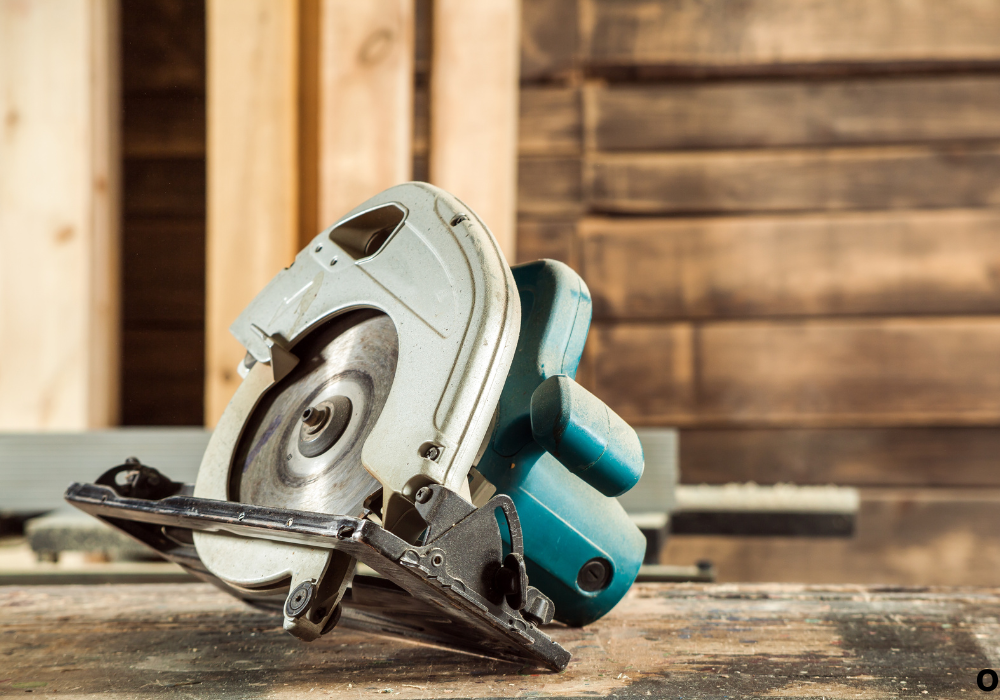
A plunge circular saw is a handheld power tool designed to make straight and precise cuts with the ability to plunge the blade directly into the material. Unlike standard saws, the blade stays hidden under a retractable guard until you press down.
This mechanism gives users full control over when and where the blade enters the workpiece. You can start a cut in the middle of a board without needing to cut from the edge first.
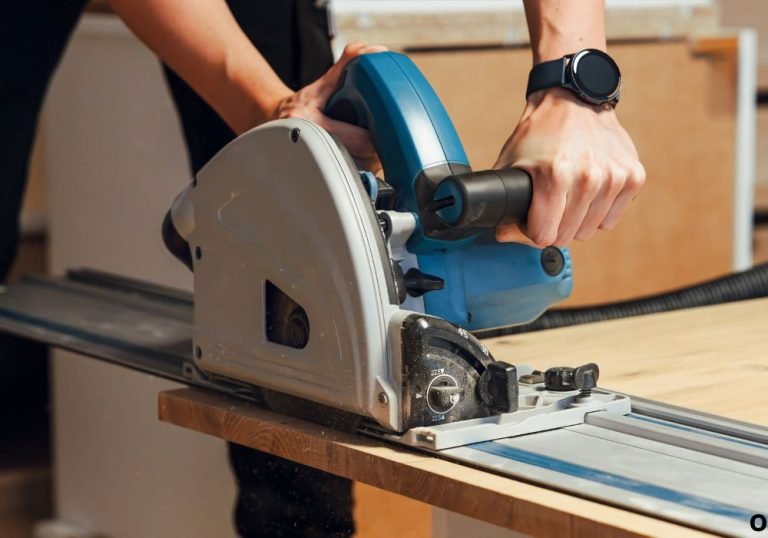
Most plunge saws come with a guide rail system. The saw glides smoothly along the track, keeping the cut perfectly straight while preventing splintering at the surface.
They’re commonly used on sheet materials like plywood, MDF, and laminate flooring. With the right blade, they can even cut plastic, aluminum, or solid wood.
The result is a professional-grade cut every time, with less cleanup, better safety, and improved accuracy compared to a regular circular saw.
How a Plunge Circular Saw Works
The magic of the plunge circular saw lies in its spring-loaded pivot system. The motor and blade assembly are mounted on a hinge that allows the user to push the blade down into the material at a chosen depth.
When you pull the trigger, the blade spins but stays covered by the guard until you press down on the handle. As you push, the blade plunges into the material and cuts forward along the track.
The cutting depth can be adjusted precisely to avoid cutting into surfaces below, like a workbench or subfloor. This makes it ideal for cutting openings for sinks, vents, or access panels.
Most plunge saws have a locking lever that prevents accidental plunging, as well as a riving knife that reduces kickback by keeping the cut kerf open.
These smart engineering details make plunge saws not only safer but also smoother and more precise than most handheld cutting tools.
Key Features of Plunge Circular Saws
A plunge circular saw is packed with features that separate it from ordinary saws. The most noticeable is its plunge mechanism, which lets you start cuts anywhere on the board with perfect control.
The guide rail system is another major advantage. It ensures straight cuts without the need for chalk lines or extra measuring. Once the rail is set, every cut follows the same track with millimeter accuracy.
Most models also include depth adjustment dials, allowing cuts as shallow as a few millimeters or as deep as two inches. This versatility makes them suitable for grooves, rebates, and through-cuts.
A dust extraction port is often built in to connect with a shop vacuum, keeping your workspace clean and maintaining clear visibility while cutting.
Finally, many plunge saws feature variable speed control for cutting different materials safely—from softwood and plywood to dense hardwood and composite boards.
What Is a Plunge Circular Saw Used For

Plunge saws excel in situations where accuracy and surface finish matter more than speed. They’re often used for cutting large sheets of plywood, MDF, or particleboard with clean, straight edges.
Cabinet makers use them to cut doors, shelves, and panels to size. The guided track makes it easy to repeat identical cuts without measuring each time.
They’re also ideal for plunge cuts—for example, cutting a sink hole into a countertop or creating vent openings in flooring. The saw starts and stops cleanly inside the material without visible overcuts.
Many professionals also use plunge saws to trim doors, fit flooring, or cut laminate panels during installation work. The fine-tooth blades produce smooth edges that often need no sanding afterward.
Simply put, a plunge circular saw combines the precision of a table saw with the portability of a handheld tool.
Advantages of a Plunge Circular Saw
The first advantage is precision. When paired with a guide rail, plunge saws cut perfectly straight lines every time. You can achieve factory-smooth edges even on delicate laminates.
Another major benefit is clean cutting. The enclosed blade and scoring action minimize splintering, making it ideal for veneered or laminated panels.
Versatility is another strength. With adjustable depth and bevel controls, the saw can perform rip cuts, crosscuts, bevel cuts, and plunge cuts—all with one tool.
Safety is also improved. The blade remains hidden until you actively plunge, reducing accidental contact. The riving knife helps prevent kickback during cutting.
Finally, dust collection is more efficient because of the enclosed housing and direct vacuum connection. This keeps the workspace cleaner and reduces airborne debris.
Plunge Circular Saw vs Regular Circular Saw
While both tools look similar, they serve different purposes. A regular circular saw is designed for speed and rough cuts, while a plunge saw focuses on precision and clean finishes.
A traditional circular saw’s blade is always exposed below the base plate. This makes it unsuitable for starting cuts in the middle of a panel. You can only cut from an edge.
In contrast, a plunge saw’s blade stays covered until you press it into the workpiece, giving more control and safer operation. It also allows you to start and stop cuts precisely.
Regular circular saws can leave rough edges and tear-out, especially on veneered wood. Plunge saws, especially when used with a track, produce much cleaner results.
If you often work on cabinetry, furniture, or fine carpentry, a plunge saw is worth the investment.
When to Choose a Plunge Circular Saw
Choose a plunge saw if you work with large sheets or need clean edges without sanding. It’s perfect for cutting plywood, laminate, and MDF panels accurately.
If you frequently need to make cutouts in the middle of boards—such as sinks or vents—a plunge saw saves time and avoids damage.
For home renovation or flooring projects, a track-guided plunge saw makes trimming doors or cutting floor panels quick and smooth.
Professionals who do cabinet fitting or custom furniture cutting consider it a must-have. The ability to cut precisely with minimal mess improves efficiency on every job.
Beginners can also benefit because the track system eliminates guesswork and reduces the risk of uneven cuts.
Common Mistakes to Avoid
One common mistake is failing to secure the track or material before cutting. This can cause slipping and misaligned cuts. Always clamp both ends of the guide rail firmly.
Another mistake is setting the plunge depth too deep. Cutting more than necessary increases kickback risk and dulls the blade faster. Keep the blade depth just slightly below the material thickness.
Some users push the saw too fast. Let the blade do the work; steady pressure gives cleaner results.
Forgetting to connect the dust extractor is also common. Without it, fine dust can obscure your cut line and reduce visibility.
Finally, don’t skip checking the track alignment before each cut. Even a small shift can affect your precision.
Safety Tips for Plunge Saw Users
Always wear protective glasses, a dust mask, and ear defenders while cutting. Even though the tool is enclosed, small particles can still escape.
Check that the plunge mechanism and safety locks move freely before starting. Never force the plunge; it should feel smooth and controlled.
Make sure the work surface is flat and well-supported. Avoid cutting over gaps that can cause the material to pinch the blade.
Keep both hands on the saw during use. One hand guides while the other controls the plunge and power switch.
After finishing, wait for the blade to stop completely before lifting the saw off the material. This simple habit prevents accidental kickback or damage to the cut surface.
Market Statistics and Industry Trends
The plunge circular saw market has seen rapid growth as woodworking standards shift toward cleaner, more precise methods.
Industry analysts report a compound annual growth rate (CAGR) of about 5 percent between 2023 and 2030 for plunge and track saws.
Cordless plunge saws are driving much of this growth. With powerful 18- and 36-volt systems, they now rival corded models in performance.
Surveys show that nearly half of professional cabinetmakers consider a plunge saw essential for sheet material cutting, replacing traditional table saw setups for on-site work.
This trend reflects the industry’s focus on safety, dust control, and portable precision cutting systems.
FAQs
1. What makes a plunge circular saw different from a regular circular saw?
A plunge saw can start cutting in the middle of a board because its blade retracts until you press down. A regular circular saw can only cut from an edge.
2. Is a plunge saw the same as a track saw?
Yes, in most cases. Many plunge saws come with a guide rail system, which is why they’re often called track saws.
3. What materials can a plunge saw cut?
It can cut wood, plywood, laminate, MDF, plastics, and even aluminum with the right blade.
4. Can beginners use a plunge saw?
Yes. Its guided track and built-in safety systems make it safer and easier to control than most handheld saws.
5. What blade size is common in plunge saws?
Most models use 6½- to 8¼-inch blades, which balance cutting depth with precision and control.
6. Is a plunge saw worth it?
If you work on detailed projects that need clean, straight cuts, absolutely. It offers precision that standard saws can’t match.
7. Can it replace a table saw?
For sheet cutting and panel trimming, yes. But for ripping long solid boards or repetitive cuts, a table saw may still be better.
Conclusion
A plunge circular saw is one of the most versatile and precise tools in modern woodworking. It bridges the gap between portability and accuracy, making it ideal for both professionals and serious DIYers.
By allowing you to start cuts anywhere, control depth perfectly, and achieve clean edges, it eliminates the need for large, stationary saws on many jobs.
Whether you’re cutting panels for cabinets, trimming flooring, or crafting furniture, a plunge saw ensures every cut looks factory-made.
It’s safe, efficient, and designed for today’s precision-driven craftsmanship. Once you use one, you’ll understand why it’s considered the next-generation circular saw.

I’m Michael R. Turner, the founder, lead writer, and passionate DIY enthusiast behind 101diytools.com. With years of hands-on experience in home improvement and power tools, I built this platform to share practical tips, in-depth guides, and honest reviews to help DIYers of all skill levels tackle projects with confidence and the right tools.