How Does a Circular Saw Blade Rotate? Explained
You press the trigger, and the quiet workshop fills with a sharp, rising hum. The circular saw blade begins to spin — a silver blur cutting cleanly through wood with almost effortless power. What seems simple to the eye is actually a combination of physics and engineering working in harmony.
But have you ever wondered how the circular saw blade actually rotates? What makes it spin with such speed and strength that it slices through solid materials in seconds?
The answer lies in a well-designed system of electrical energy, motor torque, and mechanical transfer. The moment you activate the trigger, the motor converts electrical energy into rotational motion, which is transferred to the blade through the arbor. Each revolution of the blade turns raw power into precision, creating clean, controlled cuts every time.
In this guide, we’ll break down how a circular saw blade rotates, the parts that make it possible, and how that simple spinning motion defines the saw’s cutting performance, efficiency, and safety.
What Makes the Blade Rotate
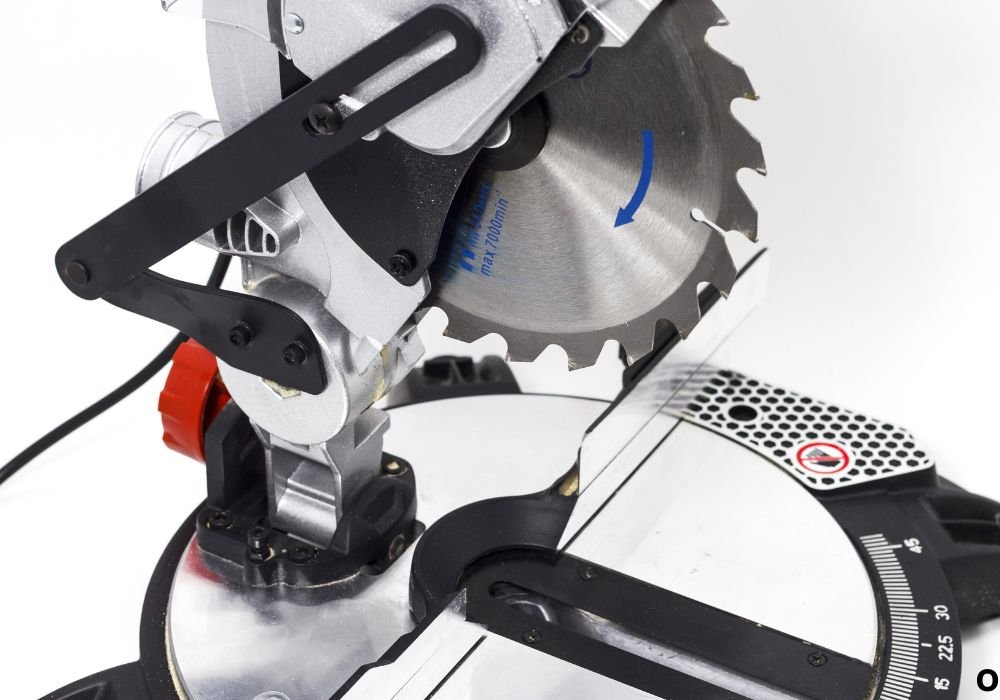
The circular saw’s blade rotates through a precise chain of mechanical motion powered by electricity. When you press the trigger, the electric current flows into the motor, energizing its internal magnetic coils. This interaction between electricity and magnetism creates torque — a twisting force that causes the motor’s shaft to spin.
That spinning motion doesn’t stop at the motor. The arbor (or spindle), which holds the blade in place, is directly connected to this rotating shaft. As the motor spins, the arbor turns with it, causing the blade to rotate at thousands of revolutions per minute (RPM). This rapid movement is what enables the saw to cut through tough materials effortlessly.
Core Components Involved in Rotation:
- Trigger Switch: Activates the electric current that powers the motor.
- Motor Shaft: Converts electric energy into rotational force.
- Arbor (Spindle): Transfers the spinning motion from the motor to the blade.
- Blade: Uses its sharp, angled teeth to slice through the material during rotation.
Depending on the saw’s design, the motion path may differ slightly:
- Sidewinder (Direct Drive): The blade connects directly to the motor, allowing faster rotation (higher RPM).
- Worm Drive: Uses a gear system to transfer power at a 90° angle, producing slower rotation but higher torque for dense materials.
In both designs, the purpose remains the same — to rotate the blade with precision and enough power to make clean, straight cuts.
The Role of the Motor in Blade Rotation
The motor is the heart of the circular saw — the force that brings the blade to life. Its job is to convert electrical energy into mechanical motion. Inside the motor, electromagnetic fields generate a spinning effect on the armature (the central rotating part), which in turn drives the motor shaft.
The faster the motor spins, the faster the blade rotates. This speed is measured in revolutions per minute (RPM), and most circular saws operate between 3,000 to 6,000 RPM. This range ensures the blade cuts smoothly without tearing or burning the material.
Two Main Types of Motors:
- AC Motor (Corded Circular Saws):
- Runs on household or job-site electricity.
- Delivers constant, uninterrupted power for heavy-duty cutting.
- Ideal for long working sessions and dense materials.
- Runs on household or job-site electricity.
- DC Motor (Cordless Circular Saws):
- Powered by rechargeable lithium-ion batteries.
- Offers greater mobility and portability.
- Slightly lower torque compared to corded models but perfect for quick or outdoor jobs.
- Powered by rechargeable lithium-ion batteries.
The efficiency of the motor determines the saw’s cutting performance. A powerful motor maintains consistent torque even under heavy load, ensuring the blade keeps rotating smoothly without slowing or binding during tough cuts.
How the Arbor Transfers Power to the Blade
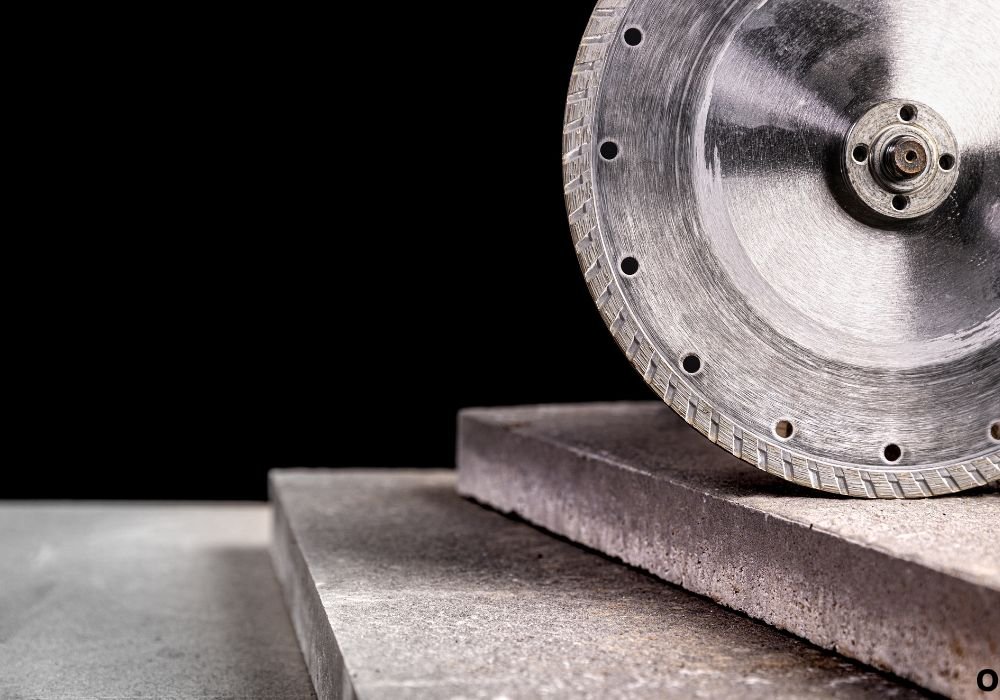
The arbor, sometimes called the spindle, acts as the link between the motor and the saw blade. It’s a short, threaded metal shaft that securely holds the blade in place while transferring rotational energy from the motor.
When the motor shaft spins, the arbor rotates at the same speed, carrying the blade along with it. The connection between them is incredibly tight — maintained by a washer and a bolt that clamp the blade against the arbor’s flange. This firm grip prevents slippage and keeps the blade rotation stable during cutting.
Functions of the Arbor:
- Power Transmission: Delivers torque from the motor directly to the blade.
- Blade Alignment: Keeps the blade centered and balanced to prevent wobbling.
- Stability and Safety: Ensures that the blade remains fixed even during high-speed operation.
Common Arbor Sizes:
Most handheld circular saws use a 5/8-inch arbor, while larger saws may use 1-inch or greater diameters for added strength.
If the arbor is damaged, dirty, or worn, it can cause the blade to wobble, vibrate, or lose cutting precision. Regular maintenance — cleaning, tightening, and inspecting for wear — ensures that the arbor continues to deliver smooth and consistent rotation.
Direction of Blade Rotation
A circular saw blade always spins in a specific direction, and understanding that direction is crucial for both performance and safety. On most standard circular saws, the blade rotates clockwise when viewed from the right-hand side — meaning the teeth at the bottom of the blade move forward into the material being cut.
This direction ensures that the saw pushes the material downward against the base plate (shoe) instead of lifting it upward, which helps maintain stability and control. If the blade were to spin in the opposite direction, it could cause dangerous kickback or rough, uneven cuts.
How to Identify Blade Rotation:
- Look for an arrow printed on the blade and the saw housing — both should point in the same direction.
- The teeth should point forward on the bottom edge of the blade.
- Incorrect installation (backward blade) reduces cutting power and damages both the motor and material.
Special Note for Left- and Right-Blade Saws:
- Right-blade saws (standard): The blade is on the right; rotation is clockwise.
- Left-blade saws (common for left-handed users): The blade is on the left; rotation is counterclockwise but still pushes the teeth into the material in the same functional way.
The rotation direction is designed with safety, accuracy, and control in mind — keeping the saw steady and the cutting action smooth.
How Rotation Translates to Cutting Power
The spinning motion of a circular saw blade isn’t just for show — it’s the foundation of its cutting power. Each tooth on the blade acts like a tiny chisel, removing small pieces of material with every revolution. The faster the blade spins, the more teeth engage the surface per second, creating a continuous, smooth cut instead of a jagged one.
The Science Behind the Cut:
- The motor provides torque — the twisting force that turns the blade.
- The blade’s speed, measured in RPM (revolutions per minute), determines how quickly it can cut through material.
- Each tooth’s sharp angle slices and ejects material as the blade spins forward.
For example:
- A blade spinning at 5,000 RPM with 24 teeth makes 120,000 tooth contacts per minute — that’s how it delivers clean, efficient cuts.
Balance Between Speed and Control:
- High speed (RPM): Produces smoother cuts but generates more heat.
- Low speed with high torque: Better for thicker or harder materials like metal or dense wood.
In short, the circular saw’s rotation converts motor energy into cutting efficiency, combining speed, torque, and precision to produce powerful, controlled results.
Motor Types and Their Effect on Rotation
Not all circular saws rotate the same way — the motor type determines how power is transmitted to the blade and how the saw performs under load.
1. Sidewinder (Direct-Drive) Motors
- The blade connects directly to the motor’s shaft.
- Produces higher RPMs (up to 6,000).
- Lighter, more compact, and ideal for general woodworking and portable jobs.
- Offers smoother, faster cuts but less torque.
2. Worm-Drive Motors
- Uses gears to transfer power at a 90° angle from the motor to the blade.
- Delivers more torque at lower RPMs (around 4,000–4,500).
- Ideal for heavy-duty tasks like framing, thick lumber, and dense materials.
- Heavier but more durable for industrial use.
3. Hypoid Motors
- Similar to worm-drive but with different gear geometry for quieter, more efficient performance.
- Sealed gear housing requires less maintenance.
4. Brushless Motors (in Cordless Models)
- Advanced design with electronic control instead of carbon brushes.
- Provides consistent speed, less friction, and longer battery life.
- Maintains steady rotation even under heavy load.
Each motor type affects how the circular saw blade rotates — balancing between speed, torque, and efficiency. Choosing the right one depends on your workload: sidewinders for quick precision cuts, worm drives for raw power, and brushless motors for cordless convenience.
Factors That Affect Blade Rotation Efficiency
Even though circular saws are built for power and precision, their blade rotation can lose efficiency over time. Several mechanical and environmental factors influence how smoothly and effectively the blade spins. Understanding these helps maintain top performance and extend the saw’s life.
1. Blade Condition
A dull or damaged blade increases friction, forcing the motor to work harder and spin slower. This not only causes rough, burnt cuts but can also strain the motor. Always replace or sharpen blades regularly to maintain clean, efficient rotation.
2. Friction and Dust Buildup
Dust, sap, or metal shavings can accumulate on the blade or within the arbor assembly, increasing drag. This buildup restricts free rotation and generates heat. Regular cleaning after each use ensures consistent spinning speed and prevents overheating.
3. Motor and Bearing Wear
Over time, internal bearings and motor components may wear down. Worn bearings create vibration and imbalance, reducing cutting efficiency. Proper lubrication and periodic servicing help restore smooth rotation.
4. Improper Blade Installation
If the blade is installed backward or loosely, it disrupts the intended direction of rotation and reduces torque transfer. Always align the rotation arrows on both the saw and blade before tightening.
5. Power Supply Issues
For corded saws, low voltage can cause weak or inconsistent motor performance. For cordless models, depleted or aging batteries can reduce RPM. Maintaining a steady power source ensures the blade spins at full strength.
When all these factors are properly managed, the blade rotates at optimal speed and balance — producing cleaner, faster, and safer cuts every time.
Safety in Blade Rotation
The circular saw’s power lies in its rapidly rotating blade, but that same motion can become dangerous without the proper safety measures. Every feature of the saw — from guards to brakes — is designed to protect the user while maintaining control over this high-speed rotation.
1. Blade Guard Function
The blade guard covers the blade when not cutting and retracts automatically during operation. It prevents accidental contact with the teeth and blocks debris from flying toward the user.
2. Electric Brake
Once the trigger is released, the electric brake instantly reverses current to stop the blade within seconds. This rapid stop mechanism is one of the most important safety features for modern circular saws.
3. Kickback Prevention
Kickback occurs when the blade binds or catches in the material, forcing the saw backward. To prevent this:
- Use sharp, clean blades.
- Maintain steady pressure and let the saw do the work.
- Avoid pinching the blade by properly supporting the material.
4. Safety Lock Switch
The lock switch prevents accidental starts. The saw will only engage when both the lock and trigger are pressed simultaneously — adding an extra layer of protection.
5. Operator Awareness
Even with built-in safety systems, user focus is key. Always wear eye and ear protection, keep hands away from the cutting path, and wait for the blade to reach full speed before cutting.
These safety elements work together to make the saw’s powerful rotation both efficient and secure, ensuring professional results without risk.
Conclusion
The rotation of a circular saw blade may look simple — a blur of steel slicing through wood — but behind that motion lies a balance of engineering precision and mechanical power. From the motor that generates torque, to the arbor that transmits force, to the perfectly angled teeth that cut with accuracy, every component contributes to seamless rotation.
Understanding how a circular saw blade rotates helps you appreciate the science behind each clean cut. It also empowers you to maintain your tool correctly — keeping blades sharp, bearings lubricated, and motors running efficiently.
When operating at full performance, a circular saw transforms raw energy into flawless precision — proving that behind every smooth, straight cut lies the perfect harmony of power, rotation, and control.

I’m Michael R. Turner, the founder, lead writer, and passionate DIY enthusiast behind 101diytools.com. With years of hands-on experience in home improvement and power tools, I built this platform to share practical tips, in-depth guides, and honest reviews to help DIYers of all skill levels tackle projects with confidence and the right tools.