What Is a Circular Saw Used For? Complete Beginner Guide
Imagine standing in a workshop filled with the sound of spinning blades and the smell of freshly cut wood. A piece of lumber glides effortlessly beneath a powerful, fast-moving blade, leaving behind a clean, straight edge. That simple moment captures the magic of the circular saw — a tool that has transformed the way builders, carpenters, and DIY enthusiasts work.
The circular saw is more than just a power tool; it is the backbone of modern construction and woodworking. Whether you are cutting long boards for framing, trimming plywood for cabinets, or resizing doors for a renovation, this one tool can handle it all. Its round, spinning blade moves at high speed, slicing through wood, metal, plastic, and even concrete with ease and precision.
Many beginners wonder, what is a circular saw used for and why professionals rely on it so much. The answer lies in its versatility. With the right blade and setup, you can make rip cuts, crosscuts, bevel cuts, and plunge cuts — all using the same saw. It combines speed, control, and adaptability in one compact machine that fits easily into any toolbox.
What makes the circular saw even more remarkable is that it bridges the gap between simple DIY tools and heavy-duty professional equipment. It is portable enough for home projects yet powerful enough for large-scale construction work. From building furniture and decks to cutting roofing panels or flooring, a circular saw performs with reliability and precision every time.
In this detailed guide, you will learn what a circular saw is used for, the different types of materials it can handle, the kinds of cuts it can make, and the best practices to use it safely. By the end, you will understand why this simple spinning blade is one of the most valuable tools ever invented.
The Purpose of a Circular Saw
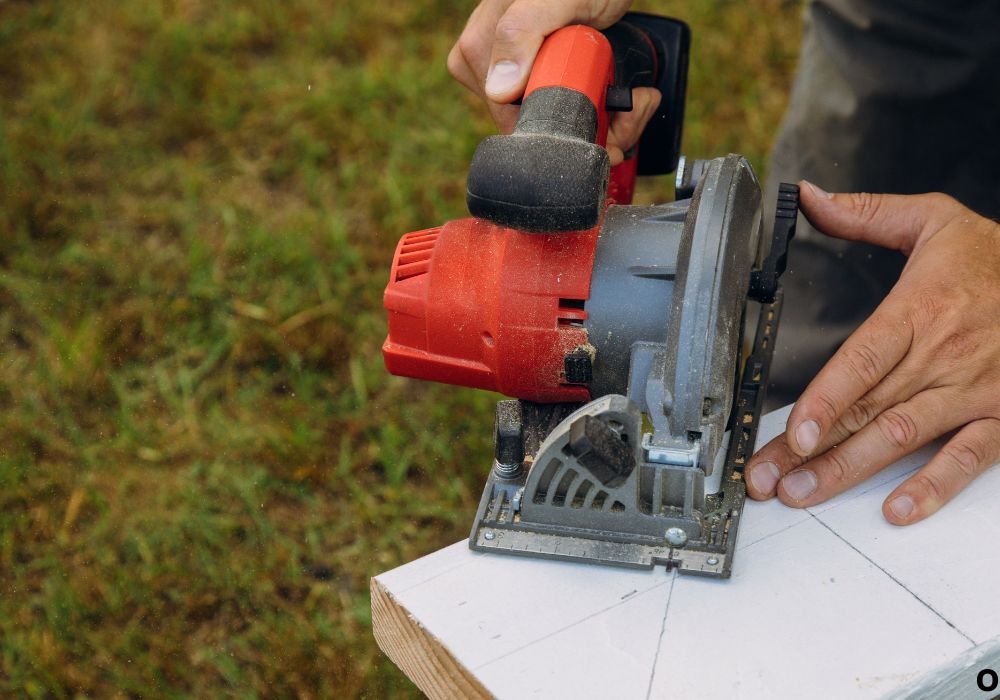
The circular saw is built for one simple yet powerful purpose — to make fast, accurate, and consistent cuts in a wide range of materials. It replaces hours of manual effort with clean results in seconds. Unlike a hand saw that depends on your strength and rhythm, the circular saw delivers machine-level precision using an electric motor that spins a round, toothed blade at thousands of revolutions per minute.
Its main purpose is to perform straight cuts, which include both rip cuts (cutting along the grain) and crosscuts (cutting across the grain). However, with the right adjustments, it can also perform bevel and plunge cuts, giving it incredible versatility for woodworking and construction. Whether you are cutting long boards for a house frame or trimming plywood for cabinets, this tool provides the speed and control needed for professional-quality results.
Circular saws are used by carpenters, framers, roofers, and even hobbyists because of their adaptability. They can handle various materials such as wood, metal, plastic, and concrete when equipped with the appropriate blade. It’s not just about raw power — the real purpose of a circular saw is to deliver precision and repeatability on every project.
In short, the circular saw exists to make clean, straight cuts faster, safer, and more accurately than any manual saw ever could. It’s a tool designed to simplify the toughest part of construction — turning raw materials into precise, usable pieces.
Common Uses of a Circular Saw
A circular saw’s usefulness stretches far beyond woodworking. It’s a versatile machine that can take on dozens of tasks in home repair, furniture building, and construction. Below are some of the most common and practical uses:
1. Cutting Wood and Lumber
The most common use of a circular saw is cutting through different types of wood. Whether it’s hardwood, softwood, or engineered wood like plywood, this tool handles all with precision. It’s perfect for creating clean, straight cuts when building decks, frames, and fences.
2. Trimming Plywood and Panels
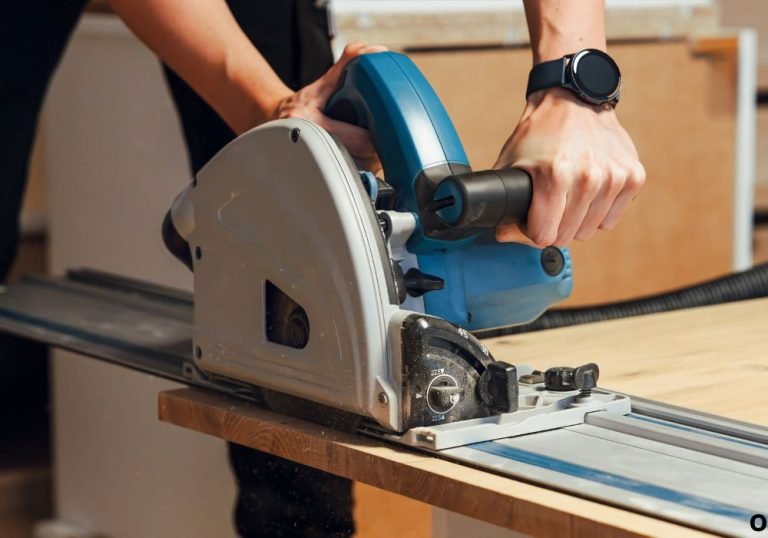
Large sheets of plywood or MDF can be challenging to cut with hand tools. A circular saw can make long, accurate cuts in these materials with ease. Adding a straightedge guide ensures perfect, smooth edges.
3. Framing and Carpentry Work
For construction workers, a circular saw is essential for cutting lumber to specific lengths when framing walls, floors, and roofs. Its power and mobility allow you to cut materials directly on-site, saving time and effort.
4. Cutting Metal, Plastic, and Masonry
When equipped with specialized blades, a circular saw can cut through sheet metal, PVC pipes, or even concrete blocks. These multi-purpose capabilities make it invaluable for plumbers, metalworkers, and builders alike.
5. DIY and Home Renovation Projects
Homeowners often use circular saws for projects such as resizing doors, cutting shelves, or building furniture. Its portability and accuracy make it one of the most beginner-friendly tools available.
Types of Cuts You Can Make with a Circular Saw
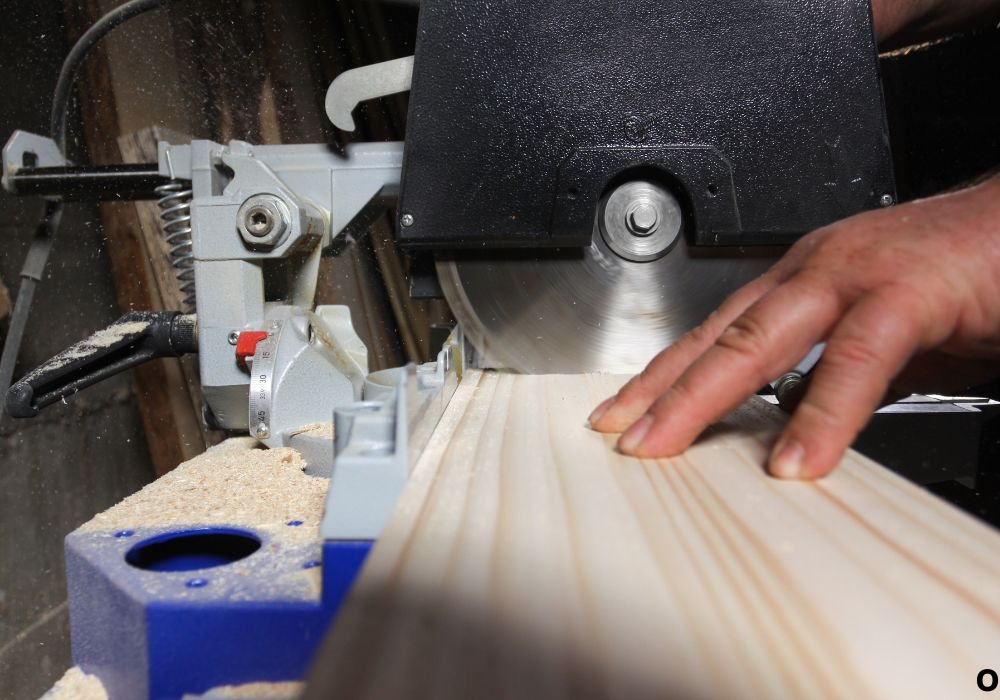
The beauty of a circular saw lies in its ability to handle multiple cutting styles using one blade. Here are the main types of cuts it can perform:
1. Rip Cut
A rip cut runs along the grain of the wood. It’s used to reduce the width of boards and prepare lumber for framing or joinery work.
2. Crosscut
A crosscut goes across the grain, trimming wood to the desired length. It’s perfect for sizing boards, beams, and panels accurately.
3. Bevel Cut
By tilting the base plate of the saw, you can make angled cuts along the material’s edge. Bevel cuts are ideal for trim work, picture frames, and joints.
4. Miter Cut
A miter cut combines an angled and crosscut motion to form clean corners — commonly used in crown molding, door frames, and window casings.
5. Plunge Cut
A plunge cut starts from the middle of a material instead of its edge. It’s useful for creating openings in floors, countertops, or panels where precision is key.
Mastering these cuts gives you total control over how you shape and design materials, turning a simple saw into a precision cutting tool.
Circular Saw Uses in Different Fields
Circular saws are not limited to woodworking. Their strength and adaptability make them essential tools across multiple industries.
1. Woodworking
In woodworking shops, circular saws are used for cutting boards, trimming panels, and preparing pieces for furniture making. They offer the accuracy needed for crafting tables, cabinets, and doors.
2. Construction and Framing
In the construction field, circular saws are indispensable. They are used for cutting framing lumber, roof beams, and plywood panels. Their portability allows workers to make cuts right where materials are being installed.
3. Plumbing and Electrical Work
Circular saws equipped with metal-cutting blades can slice through aluminum conduits, copper pipes, and PVC materials, making them handy tools for plumbers and electricians.
4. Metal Fabrication
With carbide or diamond-tipped blades, circular saws can cut thin sheets of metal and steel tubing precisely, saving time in fabrication workshops.
5. Home Improvement and DIY
From crafting furniture to home repairs, circular saws allow homeowners to perform professional-level work without hiring a contractor.
This wide range of uses proves why the circular saw is one of the most versatile power tools ever made.
Safety and Best Practices
Because of its power and speed, a circular saw demands respect and careful handling. Following proper safety practices ensures that every cut is clean, controlled, and risk-free.
1. Always Wear Protective Gear
Before turning on the saw, put on safety glasses, ear protection, and a dust mask. Gloves with a good grip help control the tool while preventing slippage.
2. Check the Blade and Tool Condition
Make sure the blade is sharp, clean, and properly tightened. Inspect the guard to ensure it moves freely and locks correctly when the saw is lifted.
3. Secure the Material Before Cutting
Clamp your workpiece firmly to a stable surface. Never hold it with one hand while cutting with the other — movement can cause the blade to jam or kick back.
4. Adjust the Depth Correctly
Set the blade depth so that only a small portion of the teeth (about a quarter inch) extend below the material. This improves control and reduces the risk of binding.
5. Maintain a Steady Cutting Pace
Let the saw reach full speed before contacting the material. Move it slowly and steadily through the cut — forcing it can overheat the blade and strain the motor.
6. Keep the Area Clean and Well-Lit
A cluttered or dark workspace increases mistakes and hazards. Clear debris regularly and ensure your cutting line is always visible.
Safety isn’t just about avoiding accidents — it’s about building the confidence to work efficiently and professionally.
Circular Saw Maintenance Tips
Taking care of your circular saw is just as important as learning to use it correctly. Regular maintenance not only extends the life of the tool but also ensures smoother, safer, and more accurate cuts every time. A well-maintained saw will always perform at its peak, even after years of heavy use.
1. Clean After Every Use
After each project, unplug the saw and remove dust and debris from the vents, guard, and around the blade area. Sawdust buildup blocks airflow and makes the motor overheat. Use compressed air or a soft brush to clean the interior and exterior parts gently.
2. Keep the Blade Sharp and Clean
A dull or dirty blade strains the motor and produces rough, uneven cuts. Wipe your blade with a soft cloth to remove pitch and resin buildup. Replace or sharpen it if you notice burning, smoking, or slow cutting speed. Always use the correct blade for your material to prevent damage.
3. Inspect the Power Cord or Battery
For corded saws, check the cable regularly for cracks or frays. Replace damaged cords immediately to prevent electrical hazards. For cordless models, clean the battery terminals with a dry cloth and avoid overcharging to preserve battery life.
4. Lubricate Moving Parts
Apply a small drop of oil to adjustment levers, depth controls, and bevel joints. Proper lubrication ensures smooth movement and prevents rust buildup. Wipe away excess oil to avoid attracting dust.
5. Tighten Screws and Bolts
Vibration can loosen screws and fasteners over time. Before each use, make sure all visible screws, guards, and handles are securely tightened.
6. Store Properly
When you are done using the saw, retract the guard, lock the trigger, and store it in a dry, dust-free area. Avoid damp spaces, as moisture can corrode metal parts and dull the blade.
A few minutes of maintenance after each use will save hours of frustration later. It keeps your circular saw reliable, efficient, and ready for your next project.
Circular Saw vs. Other Saws
Circular saws often get compared to other power tools, such as table saws, jigsaws, and miter saws. While all of them cut materials, their purpose and precision differ. Understanding how they compare helps you pick the right tool for your work.
1. Circular Saw vs. Table Saw
A table saw has a fixed blade, and the material is moved along the table to make cuts. It is ideal for high-precision, repeated cuts. A circular saw, on the other hand, is portable and handheld, allowing you to bring the saw to the material instead of the other way around. If you work in a workshop with space for setup, the table saw is best for accuracy. For mobility and versatility, the circular saw is unbeatable.
2. Circular Saw vs. Jigsaw
A jigsaw uses a thin blade that moves up and down, perfect for cutting curves or detailed shapes. A circular saw excels at long, straight cuts through thick materials. If your work involves curves and patterns, choose a jigsaw; if you need fast and straight cuts, the circular saw is the better choice.
3. Circular Saw vs. Miter Saw
A miter saw is used for precise angled cuts, especially in trim work, framing, and molding. While a circular saw can make bevel or angled cuts, it cannot match the accuracy of a miter saw. However, it offers far more flexibility for general cutting tasks and portability.
4. Circular Saw vs. Reciprocating Saw
A reciprocating saw cuts in a push-and-pull motion, making it ideal for demolition work or cutting through pipes and walls. The circular saw provides cleaner, straighter cuts suited for construction and woodworking.
Each of these tools has its strengths, but the circular saw stands out as the most balanced — powerful, accurate, and mobile — making it the centerpiece of most toolkits.
Frequently Asked Questions (FAQs) About What a Circular Saw Is Used For
1. What is a circular saw mainly used for?
A circular saw is mainly used for making straight, clean cuts in materials such as wood, metal, plastic, and masonry. It’s ideal for framing, flooring, trimming, and general construction work.
2. Can a circular saw cut through metal?
Yes, a circular saw can cut through metal when fitted with a special carbide-tipped or diamond blade. Always use proper safety gear and go slow to prevent sparks and overheating.
3. What materials can I cut with a circular saw?
You can cut wood, plywood, MDF, metal sheets, PVC pipes, and even concrete with the correct blade. Always check the blade type and saw capacity before cutting hard materials.
4. Is a circular saw good for beginners?
Yes. A circular saw is one of the best tools for beginners because it’s easy to control and can perform a wide range of cuts. With proper safety measures, it’s safe and efficient for home use.
5. What kind of cuts can a circular saw make?
A circular saw can make rip cuts, crosscuts, bevel cuts, miter cuts, and plunge cuts. Adjusting the blade depth and angle allows for maximum versatility in different projects.
6. Can I use a circular saw for woodworking projects?
Absolutely. It’s one of the most essential tools in woodworking. You can use it to cut boards, panels, and trim materials for cabinets, furniture, and other custom projects.
7. What blade should I use for cutting wood?
For rough cutting lumber, use a 24-tooth blade. For smooth, fine cuts, choose a 60-tooth or 80-tooth carbide-tipped blade. Always match the blade size to your saw’s specifications.
8. Can a circular saw replace other saws?
In many cases, yes. It can perform similar cuts to a table saw or miter saw, but with more portability. However, for precise angled cuts or repetitive work, specialized saws are still better.
9. Is it possible to make curved cuts with a circular saw?
Circular saws are designed for straight cuts. However, you can make very gentle curves by guiding the saw slowly and carefully, though a jigsaw is better suited for curved or detailed cuts.
10. Why is my circular saw burning the wood while cutting?
Burn marks usually appear when the blade is dull, dirty, or misaligned. Clean or replace the blade and avoid pressing too hard during the cut to prevent friction.
11. What is the difference between a corded and cordless circular saw?
A corded circular saw provides unlimited power for heavy-duty work, while a cordless saw offers portability and convenience, perfect for light to medium projects or outdoor use.
12. How deep can a circular saw cut?
A standard 7¼-inch circular saw can cut about 2½ inches deep at 90 degrees and 1¾ inches at a 45-degree angle. Smaller saws cut less, while larger saws can handle thicker materials.
13. Can a circular saw cut tile or concrete?
Yes, but only with a diamond-tipped blade made for masonry. Wet cutting or using a saw with dust extraction is recommended for safety and cleaner results.
14. What are the most important safety tips for using a circular saw?
Always wear safety glasses, gloves, and a dust mask. Keep both hands on the saw, secure your material with clamps, and never disable the blade guard. Allow the blade to stop fully before setting the saw down.
15. How do I keep my circular saw in good condition?
Clean it after every use, keep blades sharp, check cords and switches regularly, lubricate moving parts, and store it in a dry place. Regular maintenance ensures long-lasting performance.
Conclusion: A Tool with Endless Possibilities
The circular saw is more than just a spinning blade; it’s a symbol of power, precision, and craftsmanship. From rough framing to delicate woodworking, this tool can handle almost anything you throw at it. Its ability to make rip cuts, crosscuts, bevel cuts, and plunge cuts makes it one of the most versatile machines in any workshop.
Once you understand what a circular saw is used for, it becomes clear why professionals and DIYers rely on it so heavily. Whether you are building a deck, cutting plywood for cabinets, or shaping metal panels, a circular saw delivers speed and accuracy that few tools can match.
With proper handling, regular maintenance, and safe operating habits, your circular saw can last for many years while maintaining the same power and precision as the day you bought it. It’s not just a tool for cutting — it’s a tool for creating, building, and bringing ideas to life.
Treat it with care, use it with respect, and it will reward you with performance that makes every project smoother, faster, and more enjoyable.

I’m Michael R. Turner, the founder, lead writer, and passionate DIY enthusiast behind 101diytools.com. With years of hands-on experience in home improvement and power tools, I built this platform to share practical tips, in-depth guides, and honest reviews to help DIYers of all skill levels tackle projects with confidence and the right tools.