Circular Saw Parts and Functions: Complete Guide
You pull the trigger, the motor hums, and the circular blade spins with controlled power — slicing cleanly through wood in one smooth motion. What seems simple from the outside is actually a remarkable display of engineering precision. Inside that compact tool, multiple parts are working together — each performing a specific task to turn electrical energy into a perfect, straight cut.
Understanding the parts and functions of a circular saw isn’t just for professionals. Whether you’re a DIY enthusiast, student, or beginner learning about power tools, knowing how each part operates helps you use the saw more safely and efficiently. Every piece — from the motor that drives the blade to the guard that protects your hands — plays an essential role in performance and safety.
In this detailed guide, we’ll explore all the key components of a circular saw, explaining what they do and how they work together to deliver speed, accuracy, and power in every cut. By the end, you’ll have a clear understanding of not just the tool’s anatomy but also the science behind its precision.
1. Motor – The Power Source of the Circular Saw
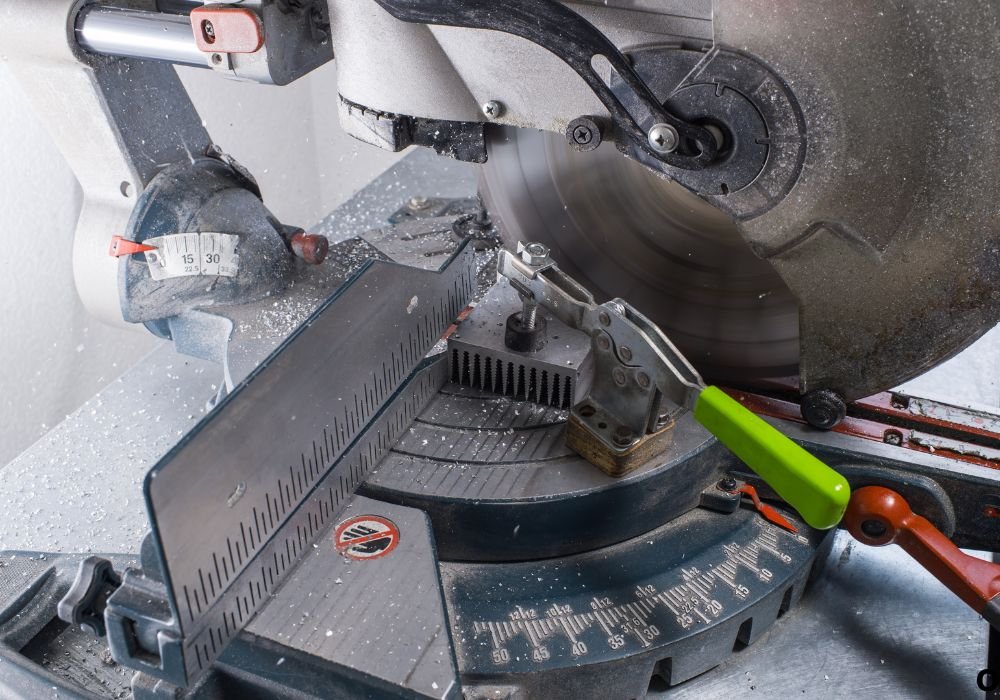
The motor is the central power unit of a circular saw. Its primary function is to convert electrical energy into mechanical rotation, which drives the blade at high speed to cut through different materials. Without a powerful motor, the saw would not have the torque or speed required for clean and efficient cutting.
Types of Motors:
- Sidewinder (Direct-Drive) Motor:
The motor is mounted beside the blade, directly connected to the arbor. This design produces high RPM (revolutions per minute) and makes the saw lighter and more compact — ideal for general woodworking and DIY use. - Worm-Drive Motor:
In this type, the motor is placed behind the blade and uses a gear system to transfer power. It provides higher torque at lower RPMs, making it suitable for heavy-duty applications like framing, cutting thick wood, and construction work.
A well-maintained motor ensures long-lasting performance. Keeping the vents clean, avoiding overloading, and using the saw within its rated power capacity helps prevent overheating and prolongs its life.
2. Blade – The Cutting Component
The blade is the most visible and essential part of a circular saw. Its function is straightforward — to cut through materials using its sharp, rotating teeth. The type, size, and design of the blade determine the quality and speed of the cut.
Blade Characteristics:
- Material:
- High-Speed Steel (HSS): General-purpose blades for wood and soft materials.
- Carbide-Tipped: Durable blades that stay sharp longer and can cut hardwood, plywood, and even light metals.
- Diamond-Tipped: Specialized blades for masonry, concrete, and tile.
- High-Speed Steel (HSS): General-purpose blades for wood and soft materials.
- Tooth Count (TPI):
- Fewer teeth (e.g., 24T) = faster, rougher cuts.
- More teeth (e.g., 60T or 80T) = slower, smoother cuts.
- Fewer teeth (e.g., 24T) = faster, rougher cuts.
- Diameter:
Most circular saw blades range from 5¼ to 7¼ inches, depending on the model and cutting depth needed.
For best results, users should always match the blade type to the material being cut and keep it clean and sharp to maintain cutting efficiency and reduce motor strain.
3. Arbor – The Connector Between Motor and Blade
The arbor (also called the spindle) is a short, threaded metal shaft that connects the motor to the blade, allowing rotational power to be transferred smoothly. It ensures the blade spins securely and evenly during operation.
Functions of the Arbor:
- Power Transmission: Transfers torque from the motor directly to the blade.
- Blade Mounting: Holds the blade in place with an arbor bolt and washer, ensuring stability during cutting.
- Precision and Balance: Keeps the blade aligned and prevents wobbling, ensuring clean, straight cuts.
Arbor Size:
Most circular saws have a 5/8-inch arbor, which fits standard blades. However, heavy-duty industrial saws may use larger sizes for added strength and stability.
Regular inspection of the arbor, bolt, and washer is important. A loose or worn arbor connection can lead to vibrations, inaccurate cuts, or even dangerous blade detachment during use.
4. Base Plate (or Shoe) – The Foundation of Accuracy
The base plate, also known as the shoe, is the flat metal platform located at the bottom of the circular saw. Its main function is to stabilize and guide the tool while cutting. It keeps the saw balanced, ensuring straight, accurate lines and smooth movement across the material surface.
Functions of the Base Plate:
- Stability: Keeps the saw flat and steady while cutting, reducing wobble and vibration.
- Guidance: Helps users follow cutting lines precisely for clean, professional results.
- Depth Control: Works with the depth adjustment lever to set how deep the blade cuts.
- Bevel Cutting: Many base plates can tilt (usually up to 45°) for angled or bevel cuts.
- Measurement Aid: Includes engraved scales for measuring depth and bevel angles.
A well-maintained base plate prevents uneven cuts. Always ensure it’s clean and flat — debris buildup or warping can cause the saw to drift off the cutting line.
5. Blade Guard – The Primary Safety Feature
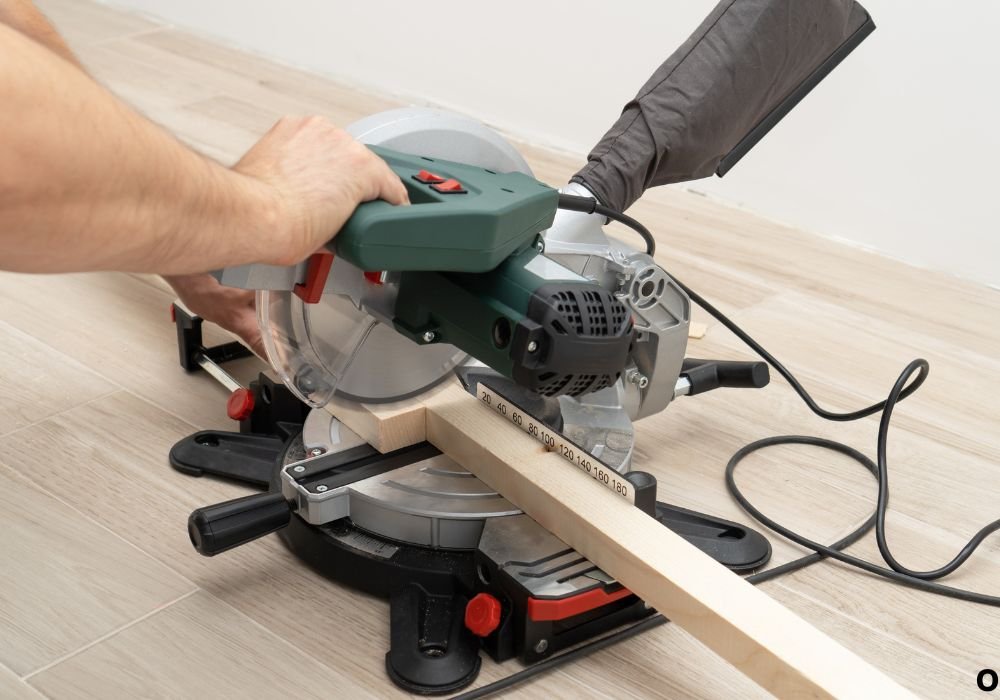
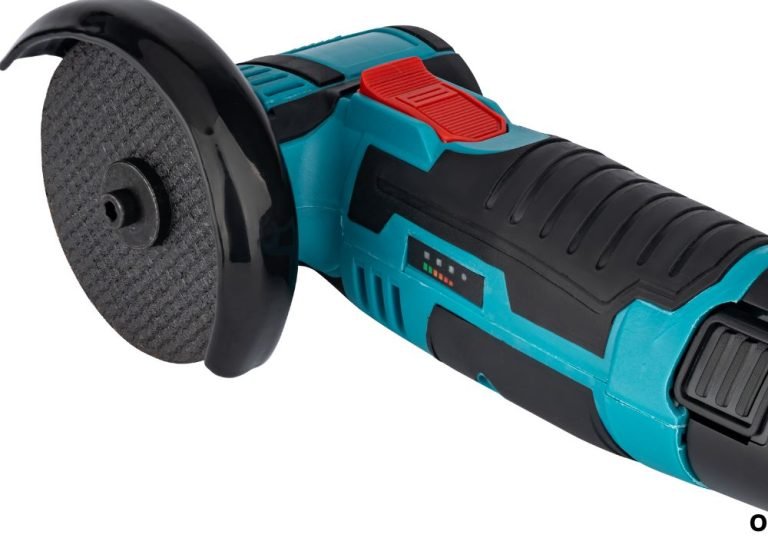
The blade guard is a crucial component designed to protect the user from the spinning blade. It automatically covers the blade when the saw is not in use and retracts as the saw begins to cut.
Types of Blade Guards:
- Upper Guard: Fixed and covers the top half of the blade, shielding the motor and user from debris.
- Lower Guard: Spring-loaded and retracts automatically when the blade contacts the material. It returns to cover the blade once the cut is complete.
Functions of the Blade Guard:
- Prevents accidental contact with the blade.
- Protects against flying wood chips or sparks.
- Ensures safe operation during setup and storage.
Some saws feature a manual guard lever that allows users to retract the guard manually for plunge cuts or specialized work. However, the guard should never be removed or disabled, as it is vital for operator safety.
6. Handle and Trigger Switch – The Control System
The handle and trigger switch form the main control interface of a circular saw. Together, they allow the user to operate the tool safely and maintain a comfortable grip during use.
Handle Types:
- Rear Handle: Located at the back of the saw, it provides leverage and control during straight cuts.
- Front (Auxiliary) Handle: Positioned near the blade housing for two-handed operation, improving accuracy and stability.
Trigger Switch Functions:
- Power Activation: Starts the motor when pressed.
- Safety Lock: Prevents the saw from turning on accidentally.
- Variable Speed (on advanced models): Allows users to control blade speed for different materials.
Ergonomic handles with rubberized grips reduce vibration and hand fatigue, especially during long cutting sessions. Keeping a firm two-handed grip ensures safer operation and more accurate cuts.
7. Depth Adjustment Lever – Controls Cutting Depth
The depth adjustment lever determines how deep the saw blade cuts into the material. This setting is critical for achieving clean cuts, improving efficiency, and maintaining safety while using the circular saw.
Functions of the Depth Adjustment Lever:
- Blade Depth Control: Allows you to set how far the blade extends below the base plate.
- Optimized Cutting Performance: Prevents the blade from cutting too deep, which can cause friction, overheating, or motor strain.
- Enhanced Safety: A proper depth setting reduces the risk of kickback and ensures smoother handling.
Recommended Blade Depth:
The blade should extend about 1/4 inch (6 mm) below the bottom surface of the material being cut.
This ensures maximum cutting efficiency while minimizing unnecessary blade exposure.
To adjust, simply loosen the lever, move the base plate up or down, then re-tighten it once the correct depth is set. Regularly checking this setting helps maintain cutting precision and safety.
8. Bevel Adjustment Knob – For Angled and Bevel Cuts
The bevel adjustment knob allows the base plate of the circular saw to tilt at various angles, making it possible to perform angled (bevel) cuts instead of just straight ones.
Functions of the Bevel Adjustment Knob:
- Angle Adjustment: Sets the tilt of the blade to cut at specific angles, typically from 0° (straight cut) to 45° (angled cut).
- Locking Mechanism: Holds the selected bevel angle firmly in place during cutting.
- Precision Cutting: Ensures clean, accurate bevels for joints, trim, and decorative woodworking.
Common Applications:
- 0° Cut: Standard straight-through cut.
- 22.5°–30° Cut: Used for moderate angles in furniture and framing.
- 45° Cut: Common for miters, corners, and trim finishing.
Always verify the angle before cutting using the built-in scale on the base plate or a digital angle gauge for maximum accuracy.
9. Power Cord or Battery Pack – The Energy Source
The power supply system of a circular saw provides the energy required to run the motor and spin the blade. Depending on the design, circular saws are either corded or cordless.
Corded Circular Saw:
- Power Source: Connected directly to an electrical outlet.
- Advantages: Consistent power output, ideal for long-duration or heavy-duty cutting.
- Drawbacks: Limited by cable length and requires a nearby power source.
- Best For: Workshop or professional construction use.
Cordless Circular Saw:
- Power Source: Operates on rechargeable lithium-ion batteries (typically 18V–20V).
- Advantages: Portable and convenient for outdoor or remote tasks.
- Drawbacks: Limited battery life; may offer slightly less torque than corded models.
- Best For: Quick, mobile, or small-scale cutting jobs.
Regardless of the type, the power source must be kept in good condition — cords should be checked for wear, and batteries should be charged and stored properly to maintain peak performance.
10. Gears and Drive System – Power Transmission Mechanism
The gears and drive system of a circular saw play a crucial role in transferring the motor’s rotational energy to the blade. This mechanism determines the saw’s cutting speed, torque output, and overall efficiency.
Types of Drive Systems:
- Direct Drive (Sidewinder):
- The motor connects directly to the blade’s arbor.
- Produces high blade speed (RPM) for fast, smooth cutting.
- Compact, lightweight design — ideal for general-purpose woodworking.
- The motor connects directly to the blade’s arbor.
- Worm Drive:
- Uses a set of spiral gears to transfer power at a right angle between the motor and blade.
- Generates higher torque for cutting thick, dense materials.
- Heavier and longer design, preferred for framing and heavy-duty construction.
- Uses a set of spiral gears to transfer power at a right angle between the motor and blade.
- Hypoid Drive:
- Similar to worm drive but uses specially shaped gears for quieter operation and longer life.
- Sealed gear housing reduces maintenance.
- Similar to worm drive but uses specially shaped gears for quieter operation and longer life.
Function of the Gear System:
The gears balance speed and torque, ensuring smooth power delivery to the blade. Sidewinders prioritize cutting speed, while worm and hypoid drives emphasize torque for tougher applications.
11. Guard Lever (or Release Handle) – Manual Safety Control
The guard lever, also known as the release handle, allows the user to manually lift or retract the lower blade guard when performing specific types of cuts, such as plunge cuts or non-through cuts.
Functions of the Guard Lever:
- Manual Retraction: Lifts the lower guard when automatic retraction isn’t possible.
- Improved Visibility: Offers a clear view of the blade and cutting line.
- Specialty Cutting: Essential for plunge cutting in the middle of a workpiece.
While the lever enhances flexibility, it should be used with caution — and the guard should never be removed completely. Always keep a steady grip and ensure the guard returns to position after the cut for safety.
12. Auxiliary Handle (Front Handle) – Added Control and Balance
The auxiliary handle, positioned near the front of the saw, provides an additional gripping point to help maintain control and accuracy. It allows for two-handed operation, which greatly improves stability and safety.
Functions of the Auxiliary Handle:
- Enhanced Control: Keeps the saw steady along the cutting line.
- Even Pressure Distribution: Balances hand pressure for smoother, straighter cuts.
- Reduced Vibration: Ergonomic design helps absorb movement, reducing fatigue during long use.
Design and Safety Features:
- Usually made of rubberized or textured material for a non-slip grip.
- Positioned for optimal comfort and leverage during operation.
- Recommended for all cuts, especially when working with large panels or dense materials.
Using both the rear handle (with the trigger) and the auxiliary handle ensures better precision, less kickback, and improved cutting control.
13. Shoe Scale / Measurement Markings – Built-in Accuracy Guide
The shoe scale, also called the measurement markings, is an integral feature of the circular saw’s base plate (shoe). It provides clear reference points that help the user make accurate cuts without constantly relying on external measuring tools.
Functions of the Shoe Scale:
- Guided Cutting: Aligns the saw precisely along the cutting line.
- Depth and Angle Reference: Displays depth and bevel angle markings for quick, precise adjustments.
- Time Efficiency: Reduces the need for manual measurement and speeds up repeat cuts.
Design Details:
Most shoe scales are engraved or etched onto the base plate and may include both metric and imperial units. Some high-end models even include laser guides or LED indicators, enhancing visibility and cutting precision.
Keeping the scale area clean and visible ensures cutting accuracy and prevents errors during measurement or alignment.
14. Exhaust and Cooling Vents – Airflow and Motor Protection
The exhaust and cooling vents are located around the motor housing and are vital for regulating airflow and temperature. Circular saws generate significant heat and dust during operation, and these vents prevent the tool from overheating or clogging.
Functions of Exhaust and Cooling Vents:
- Heat Control: Directs hot air away from the motor and internal components.
- Dust Ejection: Channels sawdust and debris away from the cutting path for clear visibility.
- Motor Longevity: Keeps electrical and mechanical parts cool, extending the tool’s lifespan.
Maintenance Tip:
After each use, clean the vents with compressed air or a small brush to prevent dust buildup. Blocked vents reduce airflow, which can lead to overheating and reduced performance over time.
15. Safety Features – Ensuring Safe Operation
Modern circular saws are equipped with several safety mechanisms to protect users from accidents and improve handling during high-speed cutting. These features are engineered to minimize risks like accidental starts, kickback, and uncontrolled movement.
Common Safety Features Include:
- Electric Brake: Stops the blade instantly when the trigger is released, reducing the risk of injury.
- Safety Lock Button: Prevents accidental activation of the saw. The trigger can only be engaged when the safety button is pressed simultaneously.
- Anti-Kickback Design: Reduces backward force if the blade binds during a cut.
- Ergonomic Grip: Soft, vibration-absorbing handles provide better control and comfort.
- Blade Guard System: Automatically covers the blade after each cut, ensuring user protection even during idle time.
Pro Tip:
Always ensure safety features are fully functional before use. Never disable built-in mechanisms like the guard or electric brake, as they are designed to prevent serious injuries.
Frequently Asked Questions (FAQs) About Parts and Functions of a Circular Saw
1. What are the main parts of a circular saw?
The main parts of a circular saw include the motor, blade, arbor, base plate (shoe), blade guard, handle, trigger switch, depth lever, bevel adjustment, gears, vents, and safety features. Each component works together to ensure precise and safe cutting.
2. What is the function of the motor in a circular saw?
The motor converts electrical energy into mechanical rotation, which spins the blade at high speed. It provides the power necessary to cut through wood, metal, or plastic efficiently.
3. What does the blade do in a circular saw?
The blade is responsible for cutting through the material. It rotates rapidly, and its sharp teeth slice the surface with each turn. The type of blade determines the cutting speed and finish quality.
4. What is the purpose of the arbor?
The arbor, or spindle, holds the blade in place and transfers the motor’s rotation directly to it. It ensures smooth spinning and keeps the blade stable during operation.
5. What role does the base plate (shoe) play?
The base plate provides balance and control by keeping the saw flat on the work surface. It also includes markings for accurate depth and angle adjustments during cutting.
6. Why is the blade guard important?
The blade guard covers the blade when not in use and retracts automatically while cutting. It protects the user from accidental contact with the moving blade and shields against flying debris.
7. What does the handle and trigger switch control?
The handle provides grip and stability, while the trigger switch powers the motor. Many saws have a safety lock to prevent accidental starts during handling.
8. How does the depth adjustment lever work?
The depth lever changes how deep the blade cuts into the material. Proper adjustment ensures cleaner cuts, prevents overcutting, and improves safety by reducing blade exposure.
9. What is the function of the bevel adjustment knob?
The bevel adjustment knob tilts the saw’s base plate to make angled or bevel cuts, typically from 0° to 45°. It’s essential for framing, trim work, and custom joinery.
10. What’s the difference between a corded and cordless circular saw?
- Corded saws provide continuous, high power for heavy-duty use.
- Cordless saws run on rechargeable batteries, offering portability and convenience for smaller or remote projects.
11. How do gears and drive systems affect performance?
The gear system transfers power from the motor to the blade.
- Direct drive (sidewinder): Faster blade speed.
- Worm drive: More torque for dense materials.
- Hypoid drive: Quieter operation with durable gears.
12. What does the guard lever do?
The guard lever lets users manually retract the lower blade guard when making plunge cuts or internal cuts. It improves control and cutting visibility in precise applications.
13. Why is the auxiliary handle important?
The auxiliary handle gives you a second grip for two-handed operation, increasing balance, accuracy, and safety — especially when cutting large or thick materials.
14. How do cooling vents help the saw?
Cooling vents release heat and dust from the motor housing, preventing overheating and keeping performance consistent during long cutting sessions.
15. What safety features should every circular saw have?
Key safety features include:
- Electric brake (stops the blade instantly)
- Safety lock (prevents accidental activation)
- Blade guard system (automatic protection)
- Anti-kickback design (reduces pushback)
- Ergonomic grips (better control and comfort)
16. How often should I clean or maintain my circular saw?
After each use, remove dust, inspect the blade and guards, and clean the vents. For frequent users, a deeper maintenance check — including lubrication and bolt tightening — is recommended monthly.
17. What happens if the blade or arbor is loose?
A loose blade or arbor can cause vibration, rough cuts, or even blade detachment, which is extremely dangerous. Always check that the arbor bolt and washer are tight before using the saw.
18. What should I do if the saw overheats during use?
Stop cutting immediately, turn off the saw, and allow it to cool. Check for blocked vents, dull blades, or overloading. Overheating is often caused by restricted airflow or excessive friction.
19. Can I use the same circular saw for wood, metal, and concrete?
Yes — but only with the correct blade.
- Wood blades for lumber and plywood.
- Carbide-tipped blades for metal.
- Diamond-tipped blades for concrete or tile.
Never use a single blade type for multiple materials.
20. Why should I learn the parts and functions of a circular saw?
Understanding each part helps you use the tool correctly, improve precision, identify problems early, and most importantly — stay safe while cutting.
Conclusion
Every part of a circular saw — from the motor and gears to the smallest adjustment lever — plays a critical role in how the tool functions. Together, these components create a system of power, control, and safety that allows users to cut with accuracy and confidence.
Understanding the parts and functions of a circular saw helps you go beyond simply using it — you learn how to operate it efficiently, maintain it properly, and recognize issues before they become problems.
Whether you’re a professional craftsman or a beginner learning power tools, this knowledge forms the foundation for safer and more effective woodworking. A circular saw is more than just a cutting machine — it’s a masterpiece of mechanical precision, designed to transform raw materials into perfect results.

I’m Michael R. Turner, the founder, lead writer, and passionate DIY enthusiast behind 101diytools.com. With years of hands-on experience in home improvement and power tools, I built this platform to share practical tips, in-depth guides, and honest reviews to help DIYers of all skill levels tackle projects with confidence and the right tools.