How to Explain a Circular Saw: Simple Beginner Guide
You walk into a workshop and hear the rhythmic sound of a spinning blade slicing through wood. Sparks of sawdust fill the air as a worker skillfully guides a tool through the board — the circular saw. Fast, powerful, and precise, it’s one of the most important tools in woodworking and construction.
If someone new to tools asked you what it is or how it works, your explanation shouldn’t be complicated. A circular saw is simple to understand once you break it down — what it does, how it functions, and why it’s so widely used.
This guide will help you explain a circular saw clearly — from its basic definition and components to its uses, working principle, and safety measures — in a way anyone can understand.
What Is a Circular Saw
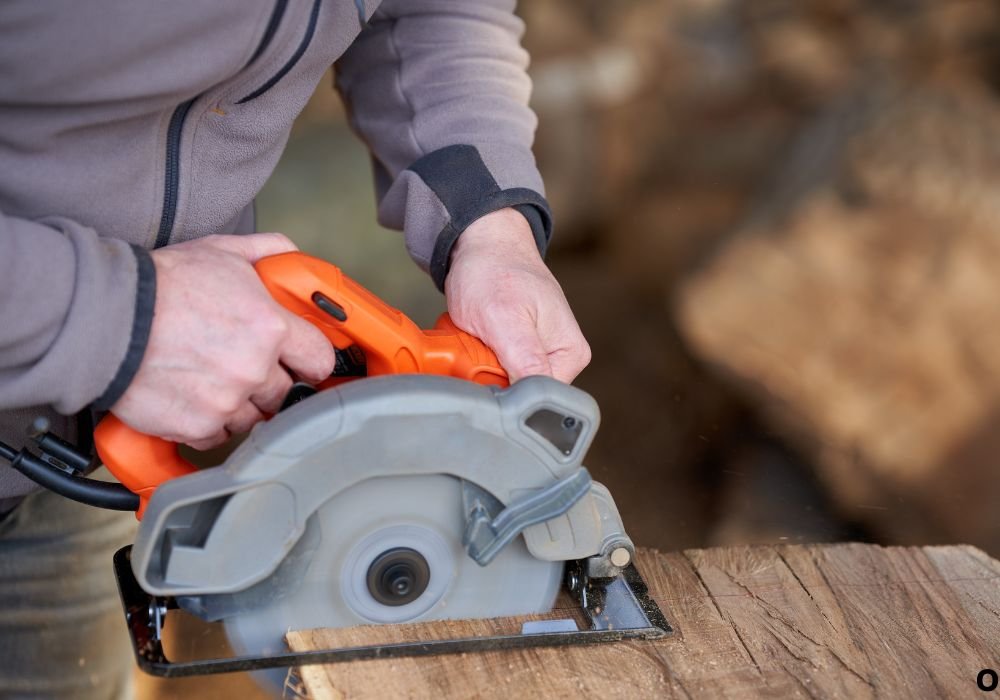
A circular saw is a power tool used for cutting materials such as wood, metal, plastic, or concrete. It uses a flat, round blade with sharp teeth that spins at high speed to make straight and precise cuts. The blade rotates continuously in one direction, removing small chips of material with each tooth.
Circular saws are designed for speed, accuracy, and efficiency. They can perform several types of cuts, including rip cuts (along the grain), crosscuts (across the grain), and bevel cuts (angled). Because of their portability and cutting power, they are widely used in construction, carpentry, and DIY projects.
Main Parts of a Circular Saw
A circular saw consists of several important components that work together to produce smooth, controlled cuts:
- Motor: Generates power to spin the blade.
- Blade: A circular disc with teeth designed for specific materials.
- Arbor: The shaft that holds the blade in place and transfers motion from the motor.
- Base Plate (Shoe): Keeps the saw stable on the surface and guides it along a straight line.
- Blade Guard: Covers the blade for safety; automatically retracts when cutting.
- Handle and Trigger: Used to control the saw; pressing the trigger starts the motor.
- Depth and Bevel Adjustment: Allow control over how deep and at what angle the blade cuts.
Each of these parts plays a specific role, ensuring the tool is safe, balanced, and efficient during operation.
How a Circular Saw Works
The working principle of a circular saw is based on electromechanical energy conversion. When the trigger is pressed, electrical energy from a cord or battery powers the motor. Inside the motor, magnetic fields spin the rotor, which in turn rotates the arbor that holds the blade.
As the blade spins — usually between 3,000 and 6,000 revolutions per minute (RPM) — its sharp teeth cut into the material. Each tooth removes a small amount of material, creating a continuous cutting motion. The base plate keeps the saw steady, while the blade guard automatically retracts as the saw enters the material and covers the blade again once the cut is complete.
In short:
Electric Power → Motor Rotation → Blade Spin → Cutting Action.
Types of Circular Saws
Different types of circular saws are designed for different cutting needs:
- Sidewinder (Direct-Drive): Motor is mounted beside the blade. Lightweight, fast, and ideal for general woodworking.
- Worm Drive: Uses gears to deliver more torque. Best for heavy-duty construction and thick materials.
- Cordless Circular Saw: Battery-powered, offering portability and convenience.
- Mini Circular Saw: Small, compact, and great for precise or lightweight cutting tasks.
- Masonry or Concrete Saw: Uses diamond-tipped blades to cut concrete, stone, or tile.
Each type has unique advantages depending on the material, work environment, and level of power required.
Uses of a Circular Saw
Circular saws are versatile and used in multiple fields:
- Woodworking: Cutting boards, panels, furniture components, and trim.
- Construction: Framing, flooring, and roofing applications.
- Metalwork: Cutting aluminum, sheet metal, and pipes with special blades.
- Plastic and PVC Cutting: For plumbing and fabrication tasks.
- Masonry Work: Cutting concrete, tiles, and bricks with diamond blades.
Their speed and adaptability make circular saws essential for both professional builders and home users.
Safety Precautions

To safely operate a circular saw, always follow these essential safety practices:
- Wear protective gear: Use safety glasses, ear protection, gloves, and a dust mask.
- Check the blade: Ensure it’s sharp, clean, and tightly secured.
- Secure the material: Clamp workpieces firmly before cutting.
- Adjust the depth: Blade should extend only about ¼ inch below the material.
- Keep hands clear: Never place hands near the blade’s path.
- Wait for the blade to stop: Before setting the saw down, let the blade fully stop spinning.
- Do not remove the guard: The blade guard is a critical safety feature and should always remain attached.
Maintenance and Care
Proper maintenance keeps your circular saw in top condition:
- Clean regularly: Remove sawdust from vents, guards, and housing after every use.
- Inspect power cords or batteries: Replace damaged cords and store batteries properly.
- Lubricate moving parts: Lightly oil the bevel and depth adjustment levers.
- Replace dull blades: A sharp blade reduces strain on the motor and improves cut quality.
- Store safely: Keep the saw in a dry, dust-free environment with the guard closed.
Following these steps extends the lifespan of the saw and ensures consistent cutting performance.
Frequently Asked Questions (FAQs) About Circular Saws
1. What is a circular saw used for?
A circular saw is used for making straight, clean cuts in materials such as wood, metal, plastic, and concrete. It is commonly used in woodworking, construction, and home improvement projects.
2. How does a circular saw work?
A circular saw works by converting electrical energy into mechanical motion. The motor spins a circular blade at high speed, and the blade’s teeth cut through the material by removing small pieces with each rotation.
3. What are the main parts of a circular saw?
The main parts include the motor, blade, arbor, base plate (shoe), blade guard, handle, and trigger. These parts work together to provide stability, control, and safety during cutting.
4. What types of materials can a circular saw cut?
Circular saws can cut a variety of materials including wood, plywood, metal, plastic, and concrete. The correct blade type must be used for each specific material.
5. What are the different types of circular saws?
Common types include sidewinder (direct drive), worm drive, cordless, mini, and masonry circular saws. Each type is designed for different levels of power, precision, and cutting requirements.
6. What is the difference between a worm-drive and a sidewinder circular saw?
A worm-drive saw has a geared motor that provides higher torque, making it ideal for heavy-duty cutting. A sidewinder saw has a direct-drive motor, offering lighter weight and faster blade speed for everyday use.
7. How do you choose the right circular saw blade?
Choose a blade based on the material you’re cutting and the finish you want. Blades with fewer teeth cut faster but rougher, while blades with more teeth cut slower but smoother.
8. What safety measures should I follow when using a circular saw?
Always wear protective gear, secure your workpiece, check blade tightness, set proper cutting depth, and never remove the blade guard. Keep both hands on the saw while cutting and wait for the blade to stop before setting it down.
9. How deep can a circular saw cut?
The cutting depth depends on the blade size. A standard 7¼-inch circular saw can cut about 2½ inches deep at 90 degrees and 1¾ inches deep at a 45-degree bevel.
10. What causes a circular saw to kick back?
Kickback occurs when the blade binds or gets pinched in the material. This can happen if the material moves during cutting or if the saw is pushed too hard. Always keep the material stable and let the blade do the work.
11. Can a circular saw be used for angled cuts?
Yes. Most circular saws have a bevel adjustment feature that allows the base plate to tilt, enabling angled or bevel cuts between 0° and 45°.
12. How do I maintain a circular saw?
Regularly clean the saw, remove dust buildup, inspect power cords or batteries, lubricate moving parts, and replace dull blades. Proper maintenance ensures long-lasting performance and safety.
13. What blade is best for cutting metal with a circular saw?
Use a carbide-tipped or diamond-tipped blade specifically designed for metal cutting. Always check that your saw supports metal-cutting speeds and use protective gear to avoid sparks.
14. Can beginners safely use a circular saw?
Yes, beginners can safely use a circular saw if they follow proper safety rules, practice on scrap materials, and start with slow, controlled cuts. It’s one of the easiest power tools to learn with correct guidance.
15. How do I store a circular saw correctly?
Store the saw in a dry, dust-free place. Make sure the blade guard is closed, the trigger is locked, and the saw is unplugged or the battery removed. Hanging it on a wall hook or keeping it in its case is ideal.
Conclusion
A circular saw is one of the most practical and efficient cutting tools ever made. It combines power, speed, and precision to make clean, accurate cuts through a variety of materials. By learning how to explain its purpose, parts, and working principle, anyone — whether a beginner or professional — can understand why it’s so valuable.
Knowing how to describe a circular saw clearly isn’t just about naming its features; it’s about understanding how everything works together to turn raw energy into perfectly controlled cutting power.

I’m Michael R. Turner, the founder, lead writer, and passionate DIY enthusiast behind 101diytools.com. With years of hands-on experience in home improvement and power tools, I built this platform to share practical tips, in-depth guides, and honest reviews to help DIYers of all skill levels tackle projects with confidence and the right tools.