How Does a Circular Saw Work? Inside the Mechanism
You press the trigger, and the saw comes alive. The blade spins faster than your eyes can follow, cutting smoothly through a piece of wood as if it were paper. In just a few seconds, the job is done — clean, precise, and effortless. But have you ever stopped to wonder how a circular saw actually works?
Behind that simple pull of a trigger lies an impressive system of mechanical and electrical engineering. Inside the saw, a powerful motor converts electricity into rapid circular motion, transferring energy through gears and shafts to spin the blade at thousands of revolutions per minute. Each tooth on that blade slices away tiny bits of material in perfect rhythm, creating a smooth, continuous cut.
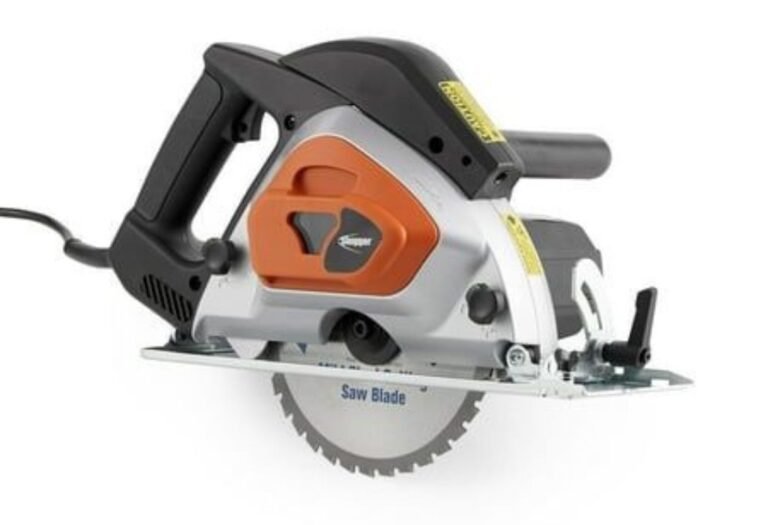
A circular saw may look simple from the outside, but every part — from the motor and gears to the base plate and blade guard — plays a precise role in how it functions. This incredible balance of speed, torque, and design is what makes it one of the most trusted tools in woodworking and construction.
Whether you are a beginner trying to understand your first power tool or a curious craftsman who wants to know what happens inside the housing, learning how a circular saw works helps you use it more safely and effectively.
In this detailed guide, we will explore the inner mechanism of a circular saw, how electricity turns into motion, what makes the blade spin so fast, and how safety features protect you while cutting. By the end, you will not only understand the tool — you will appreciate the science and precision that make it one of the most powerful cutting machines ever built.
Basic Working Principle of a Circular Saw
At its core, a circular saw works on a simple scientific principle — it converts electrical energy into mechanical energy to create a powerful spinning motion that cuts through materials with precision. The process may seem instant when you pull the trigger, but inside the tool, a sequence of mechanical and electrical actions takes place within milliseconds to make that clean, effortless cut.
When you press the power trigger, electricity flows from the outlet or battery into the motor of the saw. Inside the motor, electromagnetic fields are created around copper coils. These fields push and pull on the motor’s armature, causing it to spin rapidly. The spinning motion is then transferred to the arbor, the central shaft that holds the circular blade. Once in motion, the blade rotates at thousands of revolutions per minute, allowing its sharp teeth to slice through wood, metal, or plastic smoothly.
The circular saw’s round blade is designed with angled teeth that cut through the material in a continuous motion. Each tooth removes a small piece of material, and because the blade spins so quickly, the individual cuts blend into one clean line. The faster the blade spins, the smoother and faster the cut becomes.
Most saws use one of two drive systems — sidewinder (direct drive) or worm drive. A sidewinder connects the motor directly to the blade, making the tool compact and lightweight. A worm drive, on the other hand, uses gears to increase torque, giving it extra power for heavy-duty cuts.
Every part of the saw — from the motor and blade to the base plate and safety guard — works together to maintain control, balance, and precision. The result is a tool that performs complex engineering in an instant, allowing you to make clean, professional cuts with just a steady hand and a simple trigger pull.
Components That Make It Work
To truly understand how a circular saw works, you need to look inside the tool and see how each part contributes to its power, speed, and accuracy. Every component has a specific role, and together they transform electricity into motion, balance, and cutting precision.
1. Electric Motor
The electric motor is the heart of the circular saw. It converts electrical energy into mechanical rotation. When current passes through the motor’s coils, it generates a magnetic field that forces the motor’s armature to spin. This spinning motion drives the blade. Motors come in two main types:
- Sidewinder (Direct-Drive) Motors: Lightweight, fast, and compact. Perfect for general woodworking.
- Worm-Drive Motors: Heavier but provide more torque, ideal for tough materials like hardwood or thick beams.
2. Gear and Drive System
The motor’s power reaches the blade through a system of gears or a direct connection. In worm-drive models, gears transfer energy at a 90-degree angle, increasing torque and making the saw more powerful. Sidewinders use a direct link, which prioritizes speed and efficiency.
3. Blade and Arbor
The arbor is the metal shaft that holds the blade. When the motor spins, the arbor turns the blade at high speed. The blade’s design — tooth count, angle, and material — determines how it interacts with wood, metal, or plastic. Each tooth acts like a small chisel, cutting and ejecting material in rapid succession.
4. Base Plate (Shoe)
The base plate, or “shoe,” provides stability while cutting. It slides across the surface of the material, keeping your cut straight and even. Adjustable levers on the base let you control the cut’s depth and angle for precise results.
5. Blade Guard and Safety Mechanisms
The blade guard automatically covers the spinning blade when the saw isn’t cutting and retracts as soon as you start a cut. It prevents accidental contact with the blade and shields you from debris. Some saws also include electronic brakes and safety switches to reduce accidents.
Each of these parts works in perfect harmony to produce smooth, controlled power that can slice through dense materials in seconds.
Step-by-Step: What Happens When You Pull the Trigger

When you pull the trigger of a circular saw, a complex chain of electrical and mechanical reactions happens in less than a second. Here’s the process broken down:
- Power Activation: Electricity from the outlet or battery flows into the saw’s motor.
- Magnetic Reaction: The electrical current energizes copper coils inside the motor, generating a magnetic field.
- Armature Spins: The magnetic field forces the armature — the rotating part of the motor — to spin rapidly.
- Power Transfer: The spinning armature transfers energy through gears or directly to the arbor.
- Blade Acceleration: The arbor spins the circular blade at thousands of revolutions per minute (RPM), typically between 3,000 and 6,000 RPM.
- Material Engagement: When the spinning blade contacts the material, its sharp teeth shave off tiny pieces of wood or metal with each rotation.
- Guard Retraction: The blade guard automatically slides back as the blade enters the material, then springs back into place when the cut is finished.
- Completion: Releasing the trigger cuts power to the motor, and the blade gradually slows until it stops completely.
This smooth sequence is what makes the circular saw both powerful and easy to use. What seems like a simple action from the outside is actually a coordinated movement of physics, electricity, and mechanics inside the tool.
How Power and Torque Affect Performance
Two critical factors define how efficiently a circular saw performs — power and torque. Understanding how they interact helps you choose the right saw for the job.
1. Power (Speed)
Power determines how fast the blade spins, measured in RPM. High-speed saws slice through thinner or softer materials quickly and cleanly. Corded saws are generally more powerful because they draw a constant flow of electricity, while cordless saws balance power with portability.
2. Torque (Force)
Torque refers to the rotational force that helps the blade maintain strength during heavy cuts. A saw with high torque can handle dense materials like hardwood, metal, or thick plywood without slowing down. Worm-drive saws produce more torque, making them perfect for demanding work.
3. Balancing Power and Torque
Speed without torque leads to stalling, while torque without speed results in slower cuts. The best saws find a balance, allowing the blade to spin fast enough to stay efficient while maintaining enough force to cut through thick material smoothly.
When used correctly, this balance ensures smoother cuts, longer blade life, and less strain on both the motor and the user.
Safety Mechanisms That Support Its Function
Modern circular saws are engineered with built-in safety features that protect users without compromising performance. These smart designs make the tool powerful yet predictable.
1. Blade Guard
Covers the blade automatically when not in use. It retracts during cutting and closes again once the cut is done, preventing accidental contact.
2. Electric Brake
Stops the blade within seconds after releasing the trigger. This reduces the risk of injuries and prevents damage to the workpiece.
3. Trigger Lock or Safety Switch
Prevents accidental activation of the saw. You must press the safety switch before pulling the trigger, adding a layer of protection.
4. Bevel and Depth Locks
Hold the saw securely at the desired angle and cutting depth, preventing sudden changes during operation.
5. Anti-Kickback Design
Minimizes the risk of the saw jerking backward if the blade binds or pinches during cutting.
These mechanisms work quietly in the background but are essential for safe and reliable performance. A circular saw’s strength is impressive, but its safety systems make it truly dependable.
Energy Flow: From Electricity to a Perfect Cut
The circular saw is a perfect example of efficient energy transformation. Every cut you make is the result of a chain reaction that starts with a simple press of a button and ends with a precise, clean slice.
Here’s how the energy flows:
- Electricity Enters the Motor: Power from the outlet or battery energizes the motor coils.
- Magnetic Energy Forms: The electric current produces magnetic fields that spin the armature.
- Mechanical Rotation Begins: The motor’s spinning motion turns into mechanical energy, which is transmitted through gears or directly to the arbor.
- Blade Spins: The arbor drives the circular blade, turning mechanical energy into kinetic energy.
- Cutting Action: The spinning teeth convert kinetic energy into cutting force, removing small particles from the material.
Every step in this chain must work perfectly for the saw to cut efficiently. The smoother the energy transfer, the faster and cleaner your cuts will be.
Keeping the Mechanism in Top Condition
Even the most powerful circular saw will lose efficiency if not properly maintained. Keeping its internal mechanism in good shape ensures long-lasting performance and consistent cutting quality.
1. Clean Regularly
Dust and wood chips can block air vents and cause the motor to overheat. Clean the saw after every use using compressed air or a soft brush.
2. Check the Brushes and Bearings
The carbon brushes inside the motor wear down over time. Replace them if you notice power drops or strange noises. Bearings should spin freely without grinding sounds.
3. Keep the Blade Sharp
A dull blade increases resistance and forces the motor to work harder. Replace or sharpen blades regularly to maintain smooth performance.
4. Lubricate Gears Occasionally
Apply a small amount of light machine oil to the gear housing or moving joints to reduce friction and prevent wear.
5. Store Properly
Always store your saw in a dry area and keep the blade guard closed. Moisture can corrode metal parts and dull the blade quickly.
Routine care keeps your circular saw functioning like new, ensuring safe, powerful cuts every time you use it.
Frequently Asked Questions (FAQs) About How a Circular Saw Works
1. How does a circular saw actually cut through material?
A circular saw cuts by spinning a toothed blade at high speed. Each tooth removes a small amount of material as the blade rotates, creating a smooth and continuous cutting line.
2. What powers a circular saw?
Circular saws are powered by electricity. Corded models plug into an outlet, while cordless models use rechargeable batteries that deliver stored electrical energy to the motor.
3. What type of motor is used in a circular saw?
Most circular saws use a universal electric motor, which delivers high speed and torque in a compact design. Professional models may use brushless motors for better efficiency and longer life.
4. How fast does a circular saw blade spin?
Depending on the model, circular saw blades spin between 3,000 and 6,000 revolutions per minute (RPM). Higher RPMs generally mean faster and smoother cuts.
5. What is the difference between a sidewinder and a worm drive saw?
A sidewinder saw has a direct-drive motor for faster blade speed and a lighter design. A worm drive saw uses gears to increase torque, giving it more cutting power for thicker materials.
6. What happens inside the motor when I pull the trigger?
When you pull the trigger, electricity flows to the motor coils, creating magnetic fields that spin the armature. This spinning motion transfers through gears to the arbor, which turns the blade.
7. Why does the blade guard move automatically?
The blade guard is spring-loaded. It retracts when the blade touches the material and automatically closes again once the cut is finished to protect your hands and prevent accidents.
8. How does torque affect cutting performance?
Torque gives the saw strength to cut through dense materials without slowing down. The more torque a saw produces, the easier it can handle hardwoods and thick materials.
9. Why does my circular saw slow down during cutting?
This usually happens due to a dull blade, dust buildup, or insufficient power. Clean the vents, replace the blade if worn, and ensure you are not pressing too hard on the material.
10. What role does the base plate play?
The base plate, also known as the shoe, keeps the saw stable while cutting. It helps guide the blade in a straight line and allows for depth and bevel adjustments.
11. How does a circular saw stop so quickly after releasing the trigger?
Many modern circular saws use an electric brake that reverses the current in the motor, bringing the blade to a stop within seconds after you release the trigger.
12. Can I adjust the cutting depth and angle on a circular saw?
Yes. Most saws have adjustable levers that let you set the cutting depth and bevel angle for custom cuts. This makes it easy to perform both straight and angled cuts accurately.
13. Why does my saw spark while cutting?
Sparks can appear from worn carbon brushes inside the motor or from contact between the blade and metal. Replace the brushes if needed and ensure you are using the correct blade type.
14. What keeps the motor from overheating?
Cooling vents and fans built into the saw’s housing circulate air around the motor to prevent heat buildup. Regular cleaning ensures these vents remain unobstructed.
15. How can I maintain my circular saw for long-lasting performance?
Clean it after every use, replace dull blades, check brushes and bearings regularly, and lubricate moving parts occasionally. Store it in a dry, dust-free area to avoid corrosion.
Conclusion: The Science Behind Every Smooth Cut
A circular saw might look like a simple power tool, but inside it is a masterpiece of precision engineering. When you press the trigger, electricity flows through the motor, magnetic forces come alive, gears spin, and within seconds, the blade reaches thousands of revolutions per minute. Every part — from the armature and arbor to the guard and base plate — works in harmony to transform raw power into a perfectly balanced cutting motion.
Understanding how a circular saw works helps you use it more efficiently and safely. It’s not just about turning it on and cutting wood — it’s about knowing what’s happening beneath the surface. The motor generates energy, gears control torque, and the sharp, rotating blade translates that energy into clean, accurate cuts. The more you know about how each part functions, the better you can maintain the saw and extend its life.
Circular saws have earned their place in every workshop because they blend speed, strength, and simplicity. Whether you’re cutting wood for furniture, trimming metal sheets, or slicing through plastic, this single tool handles it all with remarkable consistency.
Treat your saw with care — clean it after use, keep the blade sharp, and always respect its power. The circular saw is more than a machine; it’s a perfect example of engineering efficiency and human ingenuity working together to create something truly powerful and timeless.

I’m Michael R. Turner, the founder, lead writer, and passionate DIY enthusiast behind 101diytools.com. With years of hands-on experience in home improvement and power tools, I built this platform to share practical tips, in-depth guides, and honest reviews to help DIYers of all skill levels tackle projects with confidence and the right tools.